
European Ayurveda® for Cold: Ayurvedic Home Remedies


When the temperatures drop, it's that time again: cold season arrives. To prepare yourself, Ayurveda offers some soothing options for colds. As a holistic healing art, Ayurveda primarily focuses on strengthening your defenses through a balanced lifestyle. However, if you do catch a cold, Ayurvedic teachings have some tips on how to quickly get rid of bothersome sniffles and coughs. With a few Ayurvedic home remedies, you can regain your well-being in no time.
How does a cold develop?
According to Ayurveda, colds are related to an imbalance of our doshas. During the cold season, our doshas are particularly challenged: the constant switch between warm and cold temperatures disrupts the balance of Vata, Pitta and Kapha.
Additionally, the cold causes the Vata and Kapha doshas to increase, and the digestive fire (Agni) to weaken. This makes us more susceptible to colds. Generally, Kapha and Vata types catch colds more quickly, while the natural warmth of Pitta types has a preventive effect.
Blockage of the Airways (Prana-Vaha-Srotas)
With cough and sniffles, there is a blockage of important body channels (Srotas). The channels of breathing and life energy are the so-called "Prana-Vaha-Srotas." When metabolic waste (Ama) accumulates in the Prana-Vaha-Srotas, body balance is disturbed, and we develop known symptoms. A detoxifying diet and cleansing steam baths help to resolve the blockages of the Srotas.
Cold Symptoms with Excess of Kapha & Pitta Doshas
Depending on which dosha dominates, we develop different symptoms.
Colds mainly arise from excessive Vata or Kapha dosha. Which therapy is best for you also depends on the type of your cold.
An excess of Vata leads to:
dry mucous membranes
hoarseness
thin secretions
dry, intense cough
An excess of Kapha manifests as:
wet, productive cough
fatigue and heaviness
thick, stubborn secretion

Recommendations for Balancing the Doshas
First, consider what symptoms you have: Are they due to too much Vata or too much Kapha? To calm the doshas, the following foods are recommended:
Against Vata symptoms: Warm, soothing food with a sweet, salty, and only slightly spicy taste. For example, creamy carrot or pumpkin soup with spices like long pepper, rock salt, cumin, and sage.
Against Kapha symptoms: Warm, stimulating dishes with bitter, astringent, and spicy taste. For example, mung dal with kale and fiery spices like chili or garlic.
Healthy through Diet: Eating when you have a Cold
With the right diet, you activate your self-healing powers and support the immune system. When a cold is approaching, you should generally primarily eat warm, light foods. Heavy foods burden digestion (Agni) even more. So skip fatty and animal foods (cheese, butter, meat, eggs, fish) as well as sweets. You should also avoid raw and cold foods now. Instead, warm, cooked foods like vegetable soups without fat, stews, and heavily spiced tea are particularly beneficial.
Also, you should avoid sour foods when you have a cold: According to Ayurvedic view, acidic foods promote inflammation in the body. That's why Ayurvedic teachings advise against common home remedies like hot lemon or orange juice.
Drink, drink, drink: plenty of warm beverages+
Support the healing process with plenty of fluids: this helps to flush pathogens out of the body and balances fluid loss. It is recommended to consume a hot water or tea drink every hour. Especially warm beverages with medicinal herbs and spices, such as ginger tea or Ayurvedic herbal teas, are very soothing. Sweeten the tea with honey if you like, as it has antibacterial and expectorant effects.
With herbs and spices against the runny nose+
Ayurvedic healing art knows numerous spices that act against colds and support our bodies in natural regeneration. Spicy and astringent substances boost the metabolism and invigorate the inner fire (Agni).
Therefore enrich soups and teas with these beneficial spices :
Cinnamon
Cardamom
Turmeric
Ginger
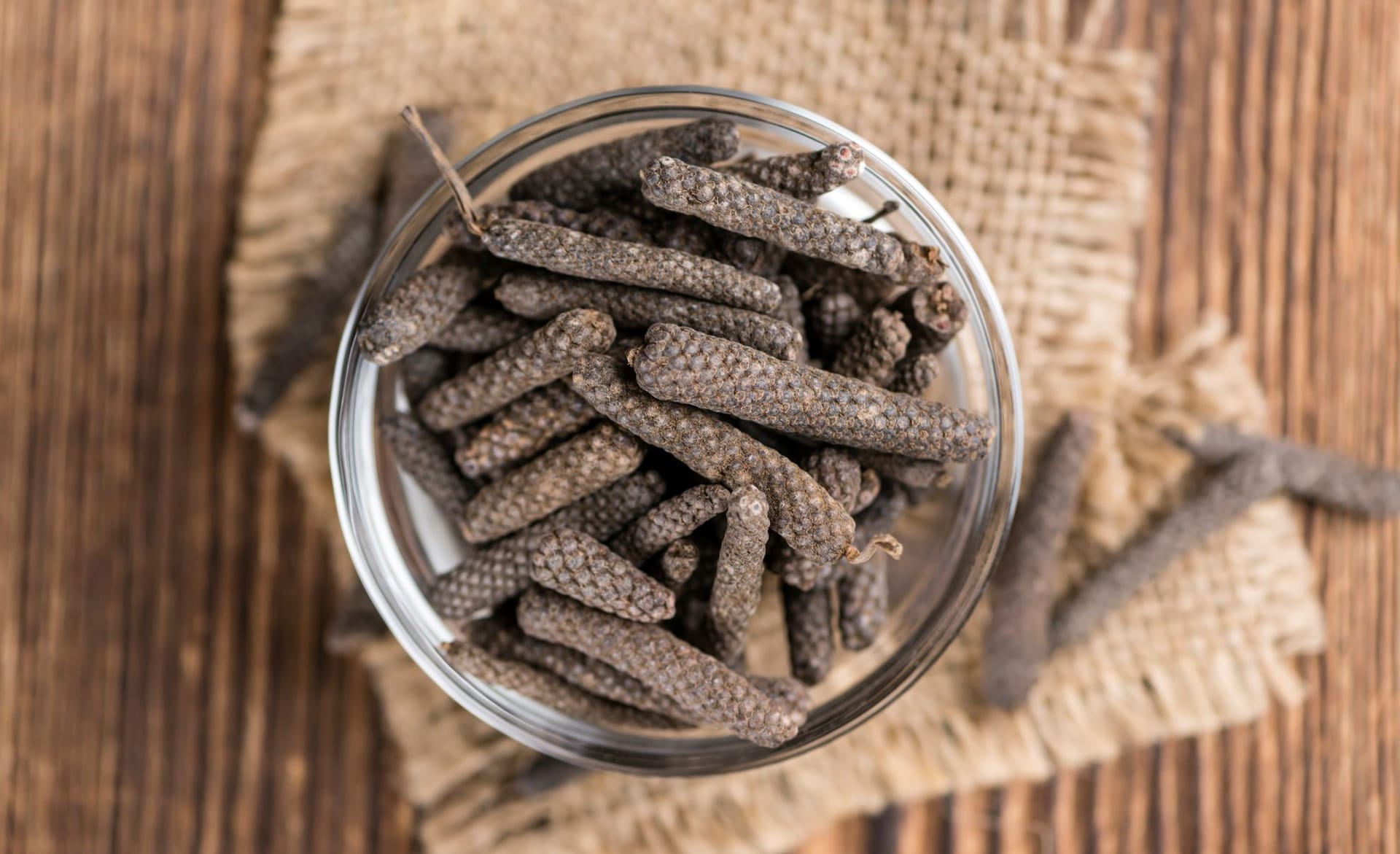
Long pepper
Cloves
Galangal
Ajowan
Cumin
Garlic
Pippali
Warming Wonder Root: Ginger for Cold+
Ginger is a well-known home remedy for colds and is also gladly used in Ayurveda. Did you know that India is the largest producer of ginger and it plays an important role in traditional Asian medicine? Substances like essential oils and pungent compounds give the root antioxidant and anti-inflammatory properties. In Ayurvedic healing art, ginger is especially valued for its stimulating and warming effects. Add ginger best as an addition to curries and soups or prepare a soothing ginger tea.
Ayurveda Recipes for Cold
If you feel that a cold is on the way, it's best to immediately take action against the cold with Ayurveda. With a few delicious Ayurvedic recipes, you can not only do something good for your doshas but also for your palate.
Ginger-Cinnamon Tea for Cold+
Ingredients:
1 thumb-sized ginger root
1 cinnamon stick
Honey or possibly other spices
Preparation:
Cut or grate the ginger. Add the ginger and cinnamon stick to a pot and pour boiling water over them. Let the tea steep for 10 minutes, then remove the ginger and cinnamon sticks. Your invigorating cold drink is ready!
The tea can be enhanced with black pepper, cloves, and honey as desired. Just try what feels good for you!
Digestible Rice Soup+
Ingredients:
50 g rice
Kapha-soothing vegetables like carrots, cauliflower, broccoli, or similar
Salt, spices, and herbs to taste
Preparation:
Cook 50 g rice with a liter of water until the rice is completely soft (about an hour). In the last 15 minutes, you can Add Kapha-calming vegetables, such as carrots, cauliflower, broccoli, celery, or spinach. Salt very sparingly. Refine with spices and herbs to taste!
Ayurvedic gargle solution: Quickly get rid of sore throat+
Ingredients:
1 teaspoon turmeric powder
Preparation:
Stir the turmeric powder well with a cup of hot water. Then let the water cool until it reaches a comfortable drinking temperature. Gargle with the liquid for 1-2 minutes and then swallow it. Turmeric has an anti-inflammatory effect, so this gargle solution is good for sore throats.
The power of the steam bath: inhaling with a cold
To cleanse and regulate your respiratory channels, the Prana-Vana-Srotas, a head steam bath is recommended. Inhaling steam is expectorant and soothing for colds. Simply fill a large bowl with steaming hot water, hold your head over it, and take deep breaths. You should hold a towel over your head to create a 'mini steam bath.' Caution: Be careful not to burn yourself on the steam! Do not use boiling hot water and keep some distance from the water surface.
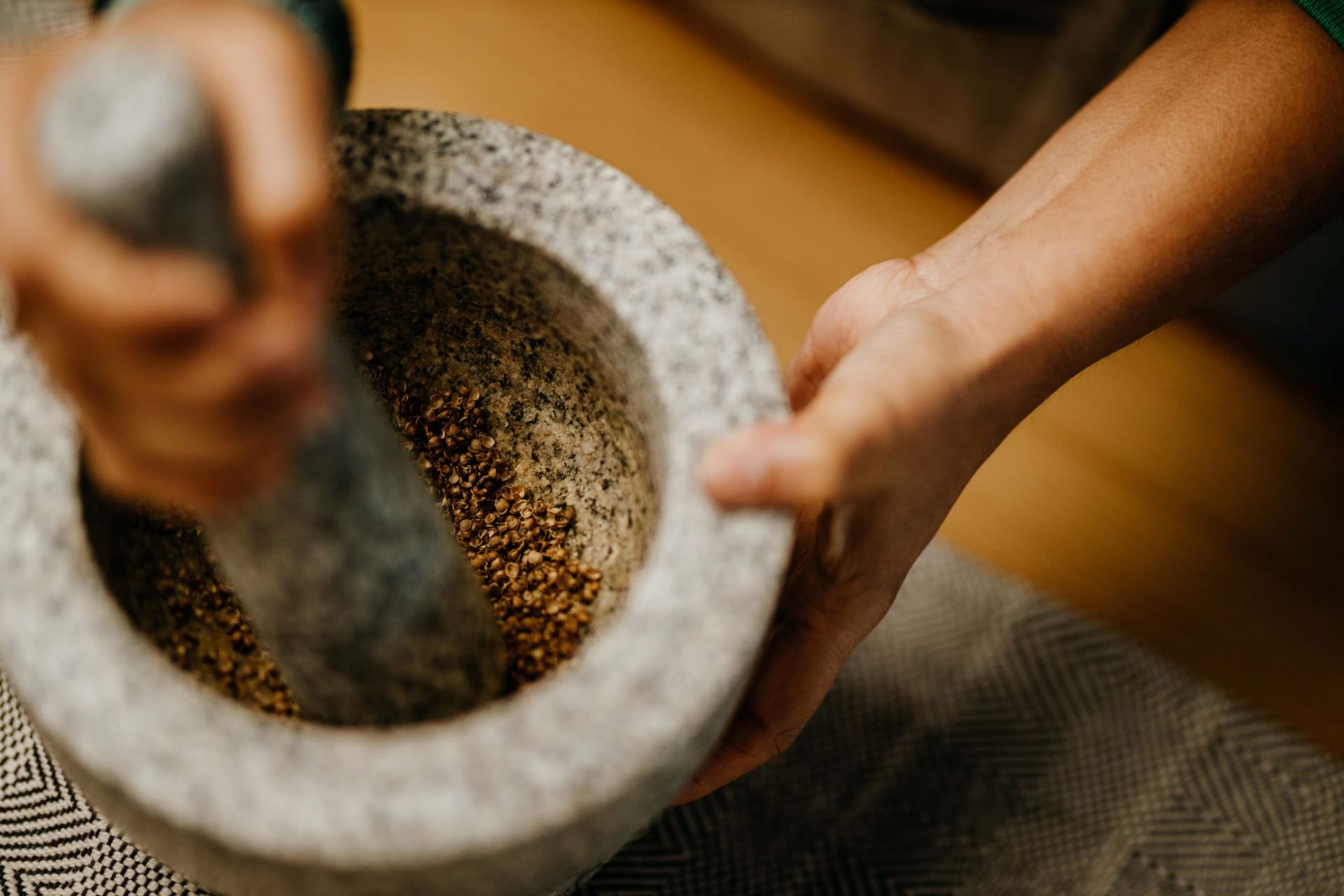
If you enrich the steam bath with certain spices and essential oils, you will achieve an additional healing effect. About 5 drops of mint or eucalyptus oil, or 1-2 tablespoons of crushed ajowan seeds are an effective addition to the inhalation mixture. Ajowan seeds (available at any Asian shop) have Kapha and Vata reducing, disinfecting and antispasmodic effects.
Healthy through the winter: prevent colds
The holistic doctrine of Ayurveda focuses on a balanced lifestyle and mental, physical, and spiritual well-being. This means ideally, with the help of Ayurveda, you can prevent colds through your lifestyle. With the following measures, you protect yourself in winter from the annoying runny nose.
Ayurvedic nasal rinse for healthy mucous membranes+
Regular nasal rinsing (Neti) removes bacteria, has a calming effect and moisturizes the nasal mucous membranes. It's best to perform this rinse with a Neti pot and some warm salt water. Hold your head slightly tilted, pour the salt water into one nostril, and let it flow back out through the mouth. After rinsing, line the nasal mucous membranes with two drops of warm sesame oil.
With acute rhinitis, however, you should refrain from nasal rinsing and applying oil, as they may promote additional mucous formation.
Oil pulling for daily detoxification+
Daily oil pulling (Gandusha) cleanses the oral cavity and ensures healthy gums. The oil dissolves bacteria and toxins, which is why oil pulling reduces plaque, cavities, and inflammation. A healthy mouth also makes the rest of the body less susceptible to diseases and positively affects overall well-being.
Therefore, make oil pulling part of your daily morning routine: Just take 1 tablespoon of sesame or coconut oil in your mouth and swish it around in your mouth for a few minutes. Then spit the oil into a tissue and dispose of it in the trash.
The best therapy: a harmonious lifestyle+
Especially in winter, pay attention to a balanced lifestyle, which strengthens your well-being. Try to take regular breaks – sufficient sleep is particularly important! Reflect on what is good for you: for example, meditation, walks in the fresh air, digestible food. Breathing exercises (Pranayama) or Ayurvedic massage (Abhyanga) also help maintain inner harmony. With warm dishes that match your Dosha type, you strengthen your natural resilience.
Fight colds with Ayurveda
In winter, Kapha and Vata increase, making you more susceptible to coughs, runny nose, and sore throats. But with Ayurveda, you can quickly put an end to colds. Now it is especially important to pay attention to a balanced lifestyle. Are you already coughing and sniffling in bed? Then you can support the natural healing process with Ayurvedic home remedies: With warm, light meals, healing spices, plenty of invigorating ginger tea, and a cleansing steam bath, you will surely be fit again soon!
A cold is always a signal from the body that it needs rest. So allow yourself the necessary rest and listen to what your body is telling you.
Insights

Strong immune system for a healthy winter
Your immune system is your best friend for staying healthy during the cold season. Simply put, it functions like a shield against illnesses. For this reason alone, it has a lot to do and does a great job. Provided you take good care of it. Because only with a healthy and strengthened immune system are you equipped to face winter challenges.

Neti: The Ayurvedic Nasal Cleansing
Neti is an Ayurvedic practice that flushes and thoroughly cleans the nasal passages with water. It is a very special ritual that not only clears the nose but can also free the head and contribute to more clarity and purity. Here we show you how the nasal cleansing works and why you should consider incorporating Neti into your morning routine from now on.
Pippali: All about long pepper in Ayurveda
Pippali, the long pepper, brings energy and has a stimulating effect on mind and body. In Ayurveda, it is not only an effective detox agent but is also used for medicinal purposes. The fiery spice fits almost all dishes and can thus fully unfold its effect at every meal. Here we show you the effects of Pippali and provide delicious tips for preparation that will ignite your digestive fire.