
Ayurvedic recipes: these are our favorite recipes

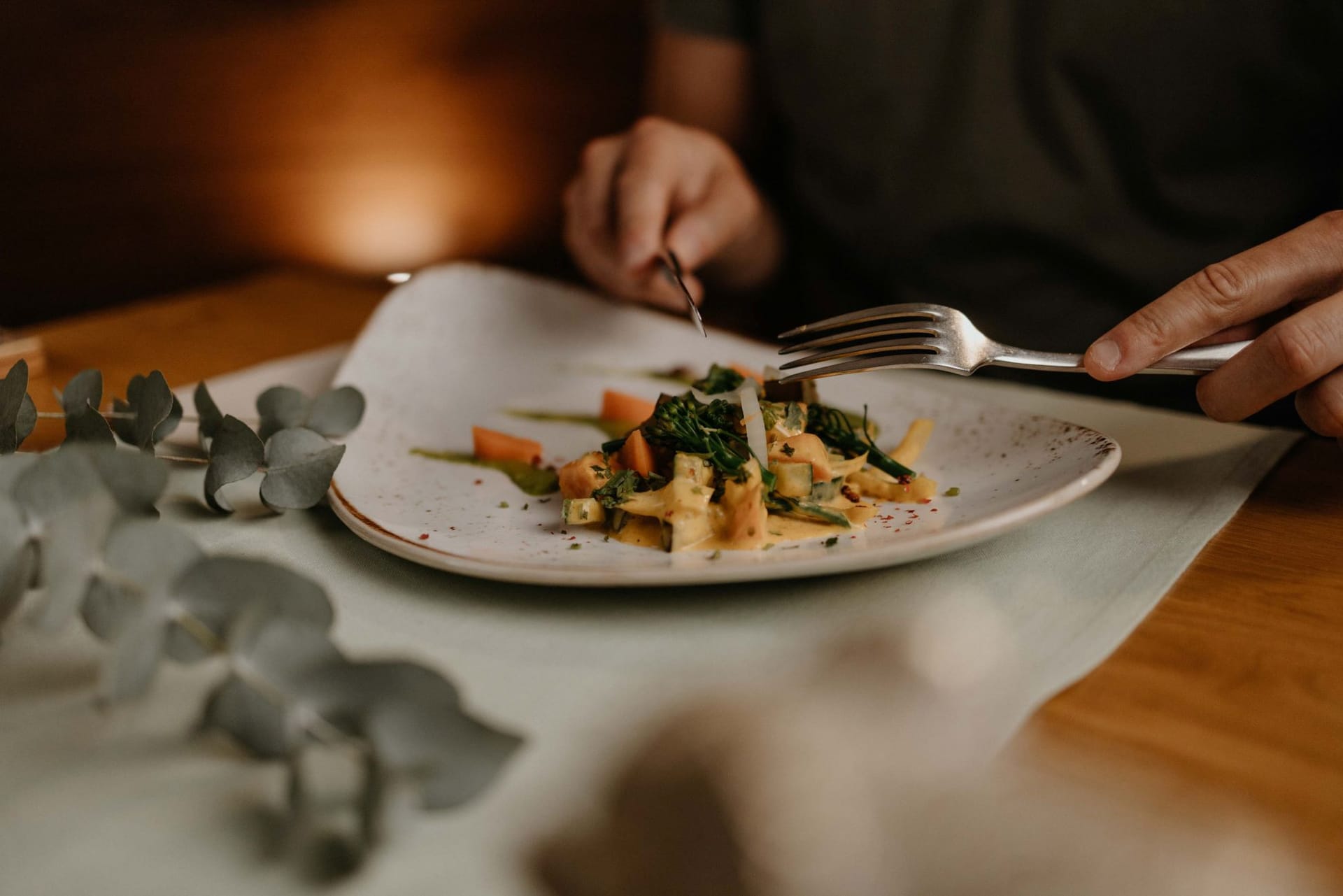
Ayurveda originates from India and translates to "The Knowledge" (veda) "of Long Life" (ayur). It is the oldest holistic healing art of humanity and not only massages, special detoxification treatments, and yoga belong to the Ayurvedic lifestyle, but also nutrition. All elements together are intended to keep various body functions, such as metabolism, digestion, and tissues in balance, so that illnesses cannot arise. Eating habits can be adapted depending on the type. Ayurveda differentiates between the three doshas: Kapha, Pitta, and Vata. Each person corresponds, depending on the manifestation of various characteristics, to one of these three doshas.
Tips for Ayurvedic Nutrition
In other diets, raw foods are the focus. Not so in Ayurveda. Here we recommend that you consume the majority of food cooked. Only at midday, you can eat a salad as a side dish, as this is when your digestive system has the most energy. Your body can absorb cooked food more easily, which is why raw food should be avoided in the evening.
Eat only small amounts. Your stomach should only be about three-quarters full.
Allow 4 to 5 hours to pass between all main meals. The food should always be completely digested before you consume something new.
Always use pure butterfat (Ghee) for frying and cooking. Ghee is particularly valued for its many health-promoting properties.
For seasoning it is best to use Ayurvedic spices such as turmeric, cumin, coriander, garam masala, chili, or ginger. These not only give your dishes a typical Ayurvedic note, but they also facilitate digestion of the food.
And finally: Enjoy your meals in a relaxed atmosphere. Do not read the newspaper, listen to the news, or watch the latest episode of your favorite series. Also, you should not discuss difficult topics at the table. These things all affect the digestive process.
So that you can cook Ayurvedic dishes at home in the future, we have selected our favorite recipes for you.
Colorful Vegetables with Coriander Sauce
It is particularly good for all doshas to prepare vegetables in a slightly thick sauce. Therefore, the amount of water should vary during cooking.
Ingredients
500 g vegetables depending on the season (such as broad beans, carrots, potatoes, and broccoli)
1 tablespoon liquid ghee or refined sunflower oil
1 ¼ teaspoons cumin seeds
½ teaspoon fenugreek seeds
10 black peppercorns
4 cloves
1 pinch asafoetida (asant) spice
½ teaspoon paprika powder
½ teaspoon turmeric powder
1 ¼ teaspoons salt
150 ml coconut milk
50 ml water
1 handful fresh coriander leaves
Preparation
Wash the vegetables and peel the carrots and potatoes and then cut everything into small pieces. Now heat the ghee or oil in a pan. Lightly toast the cumin seeds, fenugreek seeds, black peppercorns, and cloves until golden brown for about 20 seconds. Add the asafoetida (asant) spice, briefly toss everything, and immediately add the vegetables, salt, turmeric, and paprika powder. Sauté everything over medium heat, stirring regularly. Then you can add the coconut milk and water and let everything simmer until the vegetables are soft. Finally, mix in freshly chopped coriander leaves, remove from the heat and serve.
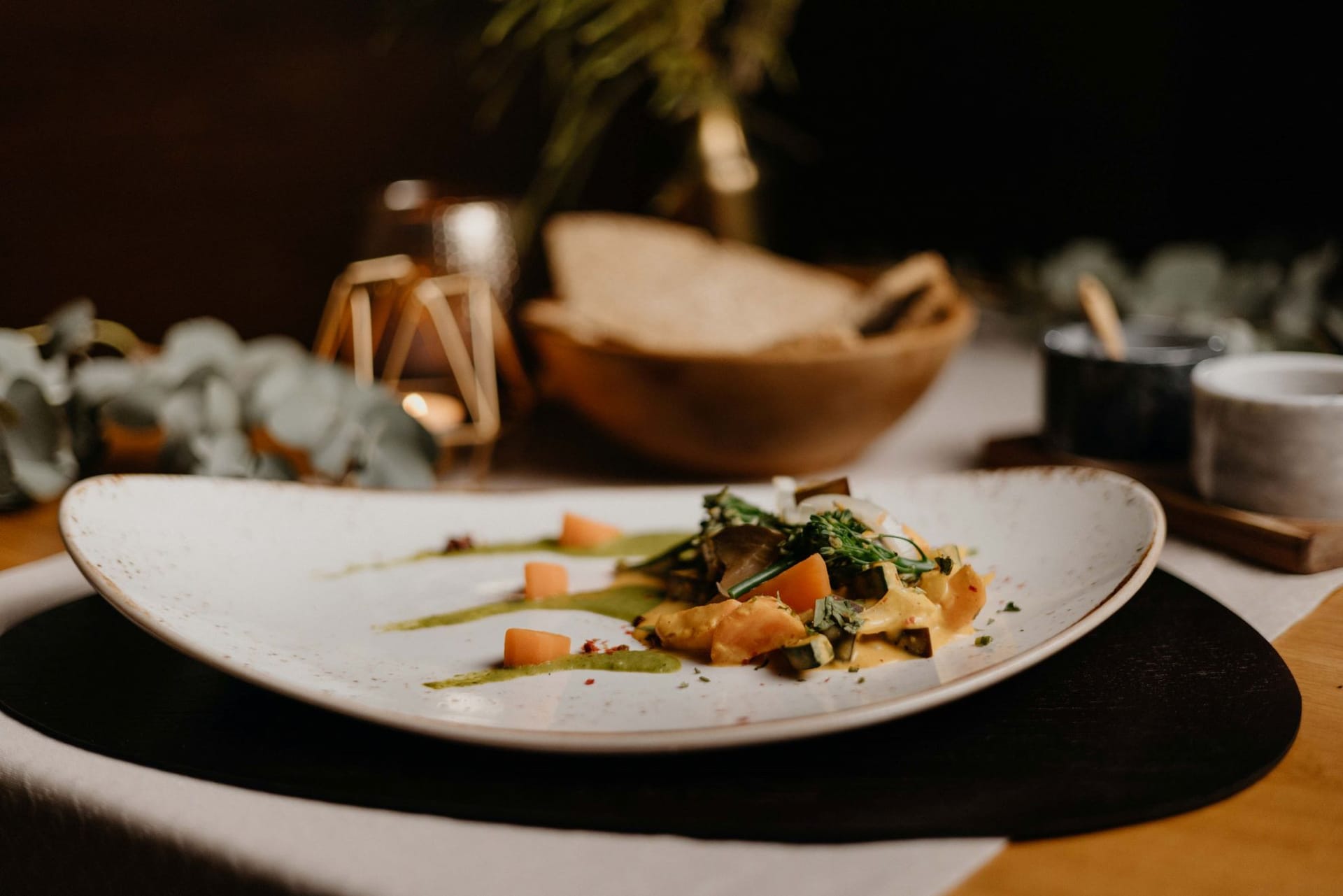
Seitan & Bean Curry with Mango Rice Milk
It is also great to cook any vegetables with or as an addition to the seitan, such as broad beans. This suits all doshas well. As a Pitta type, use half of the curry masala, and as a Kapha type, you can omit the seitan and use additional vegetables, such as carrots.
Ingredients
200 g seitan
1 ½ tablespoons refined sunflower oil or liquid ghee
1 pinch asafoetida (asant) spice
20 fresh curry leaves
Curry Masala:
300 ml rice milk
50 ml coconut milk
4 tablespoons mango puree
½ teaspoon salt
1 teaspoon coriander
¼ teaspoon cumin
½ teaspoon fennel
½ teaspoon mustard
½ teaspoon fenugreek seeds
7 black peppercorns
1 small star anise
5 green cardamom pods
¾ teaspoon turmeric powder
Preparation
First, chop the seitan to your liking and grind or crush the spices for the curry masala. Now gently heat the oil or ghee and briefly toast the asafoetida for 3 seconds, the curry leaves for 10 seconds, and the curry masala for 5 seconds. Then immediately add the rice milk, seitan, mango puree, and salt, and let everything simmer over medium heat until the sauce is slightly thick. Finally, adjust the seasoning with salt and serve.
Spice Tea to Activate Metabolism
Ingredients
500 ml water
¼ teaspoon cinnamon
½ teaspoon black pepper
1 tablespoon dried curry leaves
1 ½ teaspoons turmeric
½ teaspoon freshly grated ginger
Preparation
Bring the water with cinnamon, pepper, and curry leaves to a boil. Then reduce the heat and let the water simmer gently for about 5 minutes. Subsequently, you can turn off the heat completely. Add the turmeric powder and distribute the ginger into 2 cups. Now pour the spice tea over the ginger and let it steep for 8–10 minutes.
Drink the tea for 5 consecutive days in the morning and in the evening – ideally before going to bed. Then take a five-day break before consuming the tea again for 5 days.
Pear with Caramel Dates
This dish is not only delicious but also ideal for Pitta and Kapha. If you are a Kapha type, you can add 1 tablespoon of grated ginger along with the dates. As a Vata type, you should enjoy this dessert in small quantities.
Ingredients
4 tablespoons raw cane sugar
250 ml water
100 g dates
½ cinnamon stick
2 teaspoons cornstarch
2 pears
500 ml water
50 g raw cane sugar
1 cinnamon stick
7 cloves
2 star anise
1 teaspoon turmeric
Preparation
Peel, halve, and core the pears. Then let them simmer in water with sugar, cinnamon, cloves, star anise, and turmeric for 15 minutes. Remove everything from the heat and let the pears cool in the syrup. If possible, let them steep for several hours. Now heat 4 tablespoons of sugar in a saucepan and let it caramelize until light brown. Then deglaze with 250 ml water, dice the dates, and let it all simmer together for 5 minutes. Then dissolve the cornstarch in 2 tablespoons of water and stir it in vigorously. Remove from the heat after 1 minute. Finally, take the pears out of the syrup, cut them into long wedges, and serve the dessert with the caramel sauce.
We wish you a lot of fun recreating the Ayurvedic recipes and a good appetite!