
Breath meditation – Breath is life

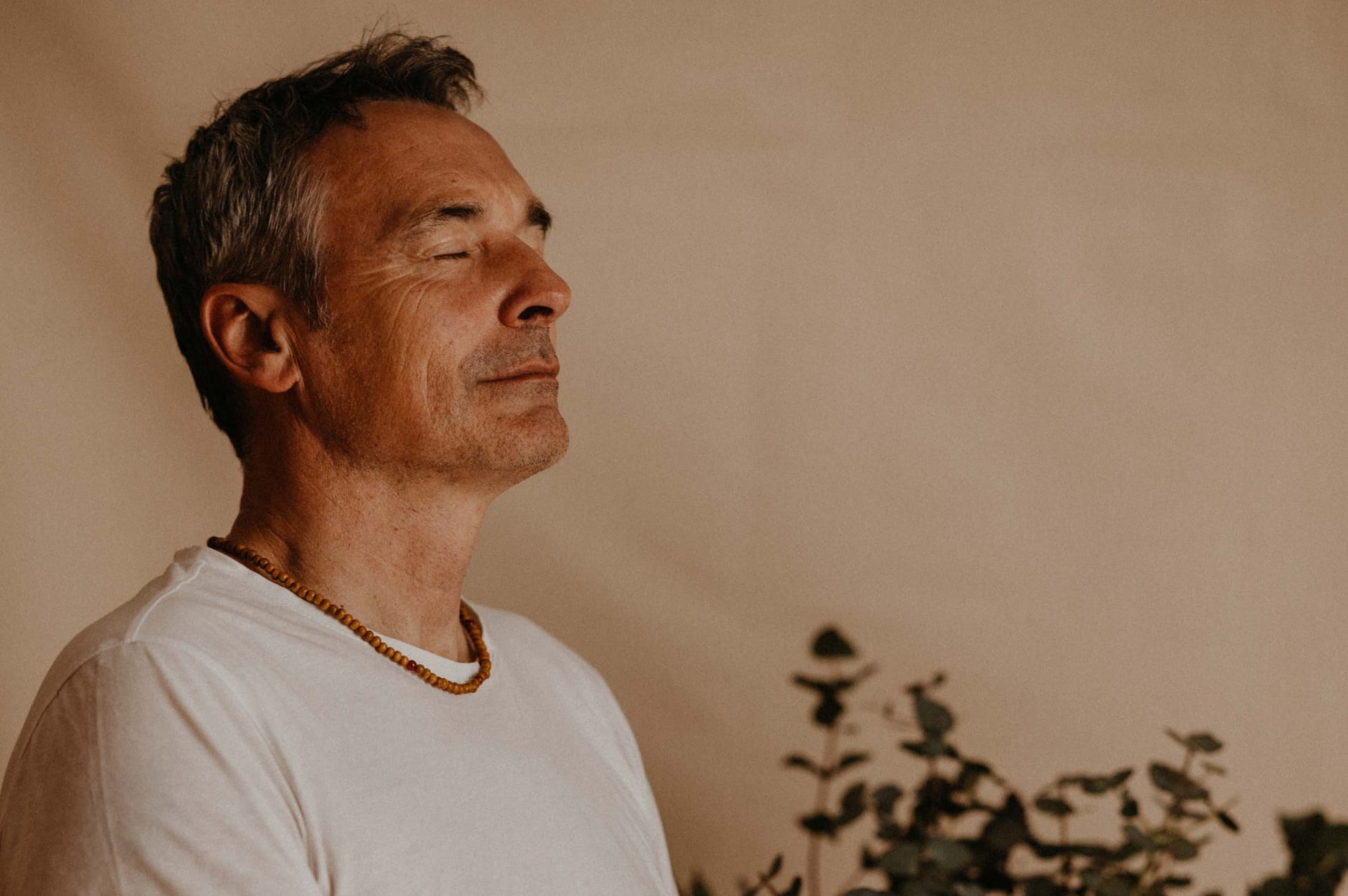
Time for a breathing meditation! Breath can flow through our body like a small stream or like a life-giving river. This life force can uplift us, bringing vitality, freshness, and supporting all life processes. Breath delivers essential oxygen and is the source of our life energy. At the same time, it serves as an anchor for deep calm and can release physical, emotional, and mental blockages. Sleep problems, exhaustion, or difficulty concentrating may also improve—or even disappear—through relaxed and deep breathing. Strengthening your breath means strengthening your physical and emotional power. There are many good reasons to get to know your breath and its natural rhythm more closely.
The benefit of breath meditation: It is the easiest meditation technique to learn, and its “tool,” the breath, is always and everywhere available.
Preparation for breath meditation
Breath meditation works best in a quiet place where you will not be disturbed for the next few minutes. However, you can also use this technique in any other situation in your daily life—for example at your workplace, when you have a short break between appointments, or while in the car.
Use all the moments when you are undisturbed, but also in times of hustle and restlessness, to focus on your breath and return to your inner calm. Deep breathing makes you more balanced, resilient, and relaxed in the rush of everyday life. In particular, exhalation has a calming and tension-releasing effect—we are able to let go more easily.
Instructions: breath meditation
Sit on a meditation cushion and make sure your posture is upright so that your breath can flow freely. If you prefer to meditate while lying down, it helps to slightly bend your knees so your back can lie flat on the floor.
Close your eyes, become aware of your breath, and feel how the air flows in and out through your nose. Notice the qualities of the air. Is it warm or cold, moist or dry? Try not to judge it—simply observe and continue breathing naturally.
When thoughts arise, do not hold onto them—let them go with the next exhalation.
Place both of your hands on your lower abdomen and feel the movement of the belly, rising and falling with each breath. Focus fully on the sensation under your hands.
Cleanse yourself with each exhalation from stale and used air and let go of all negative thoughts. With each inhalation, take in calm and relaxation, and release tension from your body. Observe the gentle wave-like movement of the breath.
If thoughts arise, simply let them pass like clouds in the sky. Keep returning your focus to the pauses between breaths, as they bring you into the present moment.
After a few minutes, depending on your available time, take three deep breaths. Then slowly return to the present moment and open your eyes.

Self-observation
Feel into your body and reflect: What has changed within you? What did you notice? Was your breath able to flow freely, or did you experience any blockages within yourself? How is your state of being after the meditation? How does your body feel? What is your mental condition? Do you sense the relaxation in your body?
Support and tips
You may not be able to clearly feel the movement of the breath under your hands at first. However, with regular practice, your breath will naturally begin to flow deeper again through relaxed and conscious breathing. Take your time and appreciate small progress.
If you ever feel tired and drained, try practicing conscious yawning. Yawn as intensely as possible—this allows your diaphragm to expand even more than during deep breathing. Your lungs are cleared, and you receive fresh energy that revitalizes and activates you.
Another option is the use of essential oils. You can create a spray with 100 ml of water and a few drops of essential oils of your choice. Especially suitable are peppermint, sweet orange, or lavender. Spray the essence into the room and around you, breathe deeply, and enjoy the gentle scent.
Depending on the fragrance, your mood may shift: mint is refreshing and clarifying, orange activates and helps the mind focus, lavender is calming and balancing.
You may also complement your meditation with the following mantra:
“While inhaling, I give my body peace. While exhaling, I let go and smile. I remain in the present moment and know that it is a wonderful moment.”