
Yoga for herniated disc: Strengthen your back

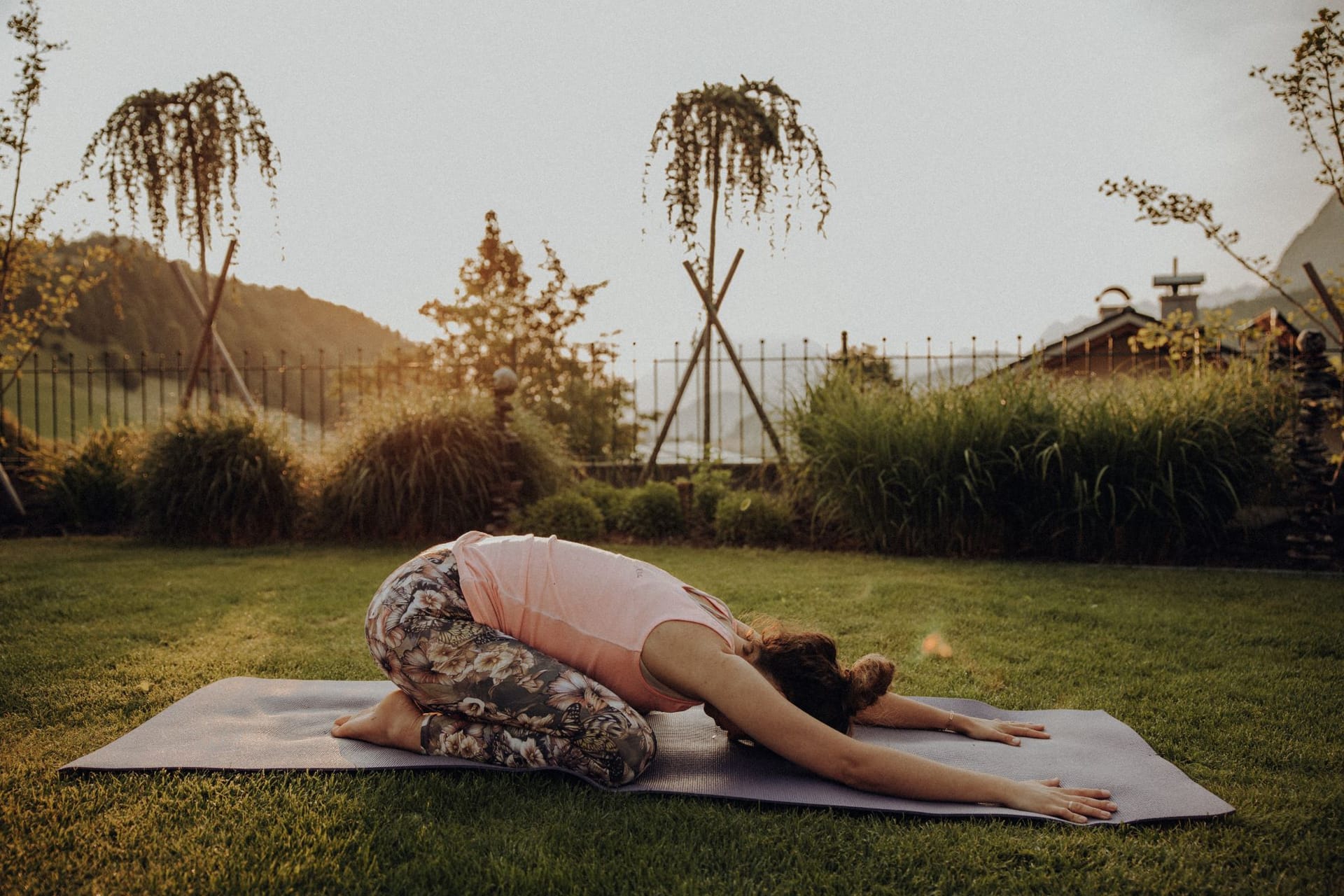
Especially in the case of herniated discs, it is particularly important to stabilize and strengthen the back muscles again. Often the fear of the pain haunts you even after a few months or years. Yoga can not only make your body stronger, but also your mind. With the right asanas, you can regain confidence in your own body!
Why Yoga Helps So Much with Disc Problems
If you have disc problems, it is often the lack of movement that is a big problem. Our discs are special gel-like connections located between the vertebrae of our spine. They are essentially there to cushion the individual vertebrae well. Every movement we make is buffered as a result. However, it becomes problematic when we don't move.
The less active we are, the more our discs shrink. They can even completely dissolve, causing the vertebrae to fuse together. What you perceive as this intense pain arises because your disk presses on the spinal nerves – right where the stimuli are forwarded.
The remedy for the pain is therefore: Movement! Not every sport is possible and beneficial. Ideally, you should strengthen your back, as well as stretch your leg and hip muscles – with yoga, you can achieve this in a gentle and soothing way! Because Yoga strengthens and stretches the entire muscular and ligament apparatus – tension and relaxation alternate. The stress-reducing component of yoga also has a positive effect on the central nervous system. For a herniated disc, therefore, an ideal movement option.
Important Tips for Yoga After a Herniated Disc
If you decide to curb your back pain through yoga, then avoid the following:
No fish position, headstand & shoulder stand!
When bending forward, also bend the legs to relieve the lower back!
No deep backbends!
Avoid any jerky movements!
No abdominal exercises that further compress the spine!
When you practice yoga in a group, you run the risk of being swept along and also trying asanas that do not suit you at the moment. However, by adapting your yoga practice to the needs of your back, you will gradually learn to very well align your limits and possibilities – you get to know your body better again and support it in regeneration. Yoga is also excellent for preventing further incidents.
Yoga exercises for disc problems
To what extent exercises are good for your individual situation or not, you should always clarify with a doctorbeforehand. What you can almost always do is start with gentle and slow mini movements . Especially the lumbar region benefits from a gentle circling or tilting of the pelvis , and also joint exercises pay off. It starts with classic stretching movements like forward bends or the plow and progresses with progressive movements.
Exercise Idea: Tadasana – the Mountain Pose
With this yoga base position, you stretch your back. You improve your posture, as it stretches the spine and increases your balance:
Stand upright, close your feet, the balls of the feet and heels should touch lightly. Position foot edges as parallel as possible. Lift your toes off the ground, spread them out, and lay them down like a fan from the outside inwards.
Align from bottom to top. Distribute weight evenly on both feet as well as on heel and ball. The inner arch of your foot should pull upwards. Press your foot edges firmly into the ground.
Your thighs automatically rotate slightly inwards, your legs are active.
You prevent a hollow backby pulling your tailbone forward and down. Your pelvis shifts slightly forward, your buttocks are gently tightened, and your navel draws inward towards the spine.
Now roll your shoulders back – then let them fall loosely downwards. Make sure that your shoulder blades draw towards each other.
Let your arms fall down at their sides, palms facing the leg and not touching your body.
Important: Your head is straight. A line is formed between the back of the head, heel, and buttocks. You see this by positioning your chin parallel to the floor. Ideally, your crown is directed towards the ceiling and your gaze is straight ahead.
If you feel confident, then close your eyes. This makes the exercise more difficult, but improves your balance. Take a few deep breaths and relax.
Other asanas could be Balasana – the child's pose, because it relieves tension in the back. Further ideas might include Setu Bandha Sarvangasana – the bridge pose, Supta Padangushthasana – the reclining hand-to-foot posture, and Viparita Karani – the half candle.
Feel free to use aids to make it easier for you. Straps, blocks, or cushions can support your poses and better secure you.
The right yoga exercises can help you strengthen your back muscles after a herniated disc or even prevent one. Especially poor posture in everyday life, too little, or even incorrect movement can strain your discs. Counteract this with yoga and feel more liberated and stronger!
Insights
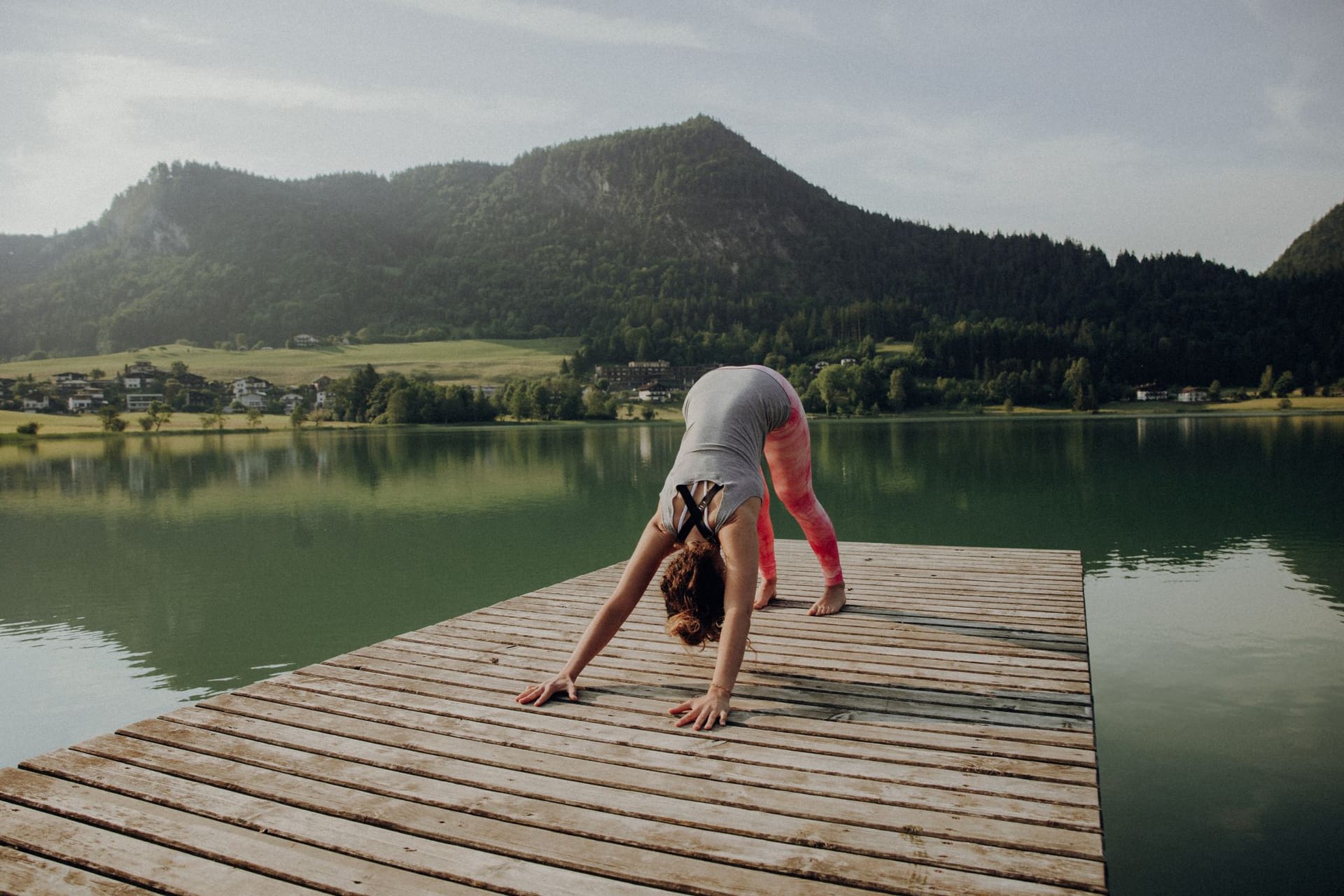
Yoga exercises for a healthy back
Whether you have a job where you sit a lot or are constantly on your feet: your back does a lot of work throughout the day. To keep it healthy, it is important to stretch and strengthen your back. Yoga exercises for the back make exactly that possible and can also help if back pain has already started to set in. Here you will find some very simple yoga exercises for the lower back, the shoulder and neck area, and more!

4 yoga exercises for shoulder and neck tension
Not only people with office jobs are affected by tension on a daily basis. Hardly anyone has never experienced shoulder and neck tension—long hours of sitting, poor posture, or simply stress are common factors that put strain on us. Fortunately, just a few simple yoga exercises for shoulder and neck tension can help you release tightness and feel more relaxed.

Ayurveda and Health
Only when you are completely healthy can you unfold your full life energy. With the holistic approach of Ayurveda, you ensure that both your body and mind are refreshed and happy. Here you will find out what exactly health means in Ayurveda and which tips you can apply from Ayurvedic healing when you are not feeling well.