
Zen meditation: Everything about the meditation technique including instructions

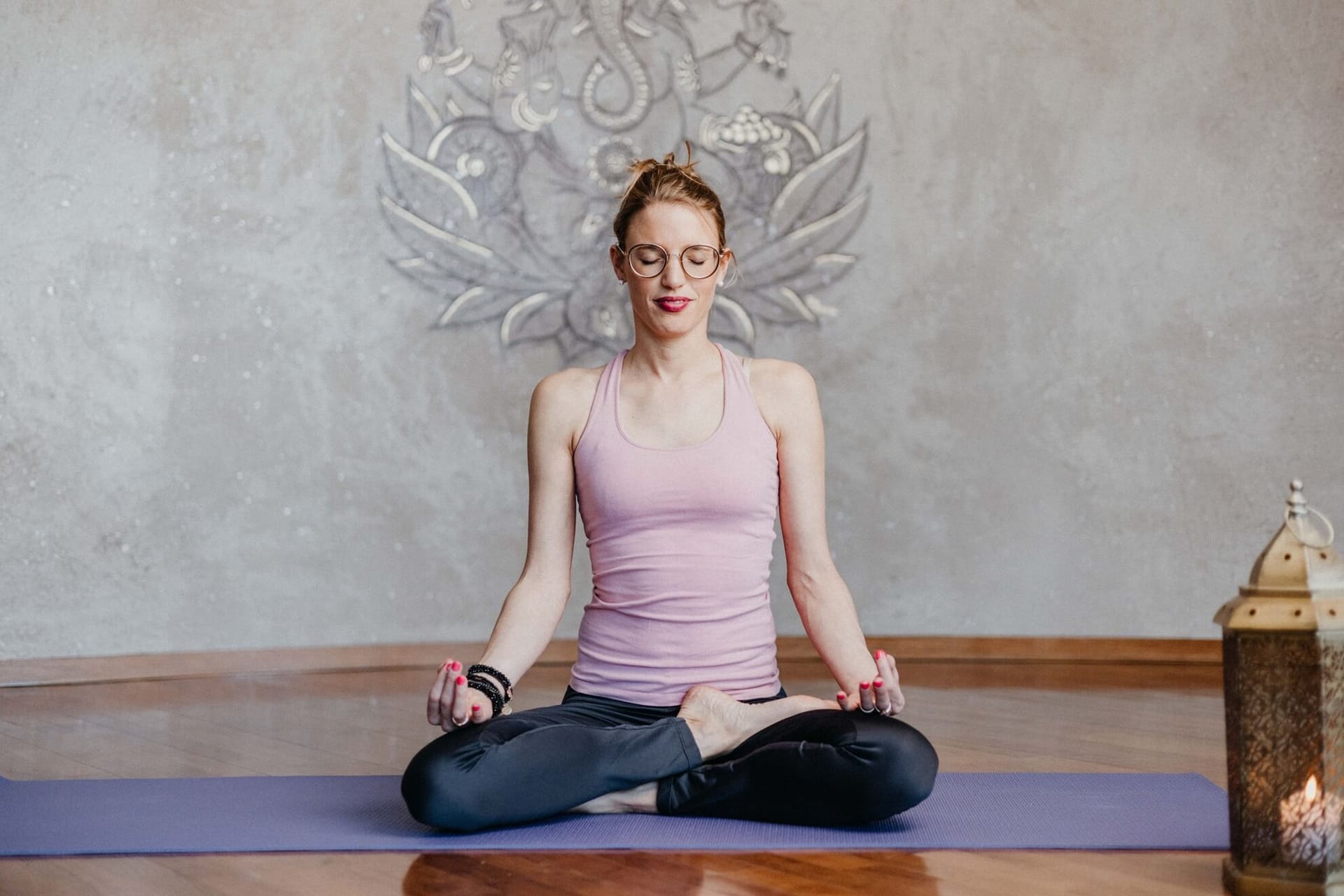
Letting worries and fears drift by, completely letting them go, and coming to rest in both mind and body—Zen practice promises nothing, and yet gives a great deal if one is willing to practice with patience and discipline. Here you will find an initial overview of the history of Zen and Zen meditation, which has developed over centuries within this spiritual practice.
The history and background of Zen
To study the Way is to study the self. To study the self is to forget the self. To forget the self is to become one with all existence.
Dōgen Zenji (teacher of Japanese Zen Buddhism, early 13th century)
The term “Zen” is derived from the Sanskrit word Dhyana (meaning “state of meditative absorption”) and refers to a current within Mahayana Buddhism. Zen Buddhism is rooted in Southeast Asia and spread and developed via Korea and Vietnam to Japan, where it eventually took on its current name.
At the core of Zen lies the “goal” of realizing Emptiness (Shunyata) and Non-self (Anatta) to realize. The word “goal” is placed in quotation marks because Zen Buddhism does not pursue no concrete goal. Rather, it describes a practice and a way of life that leads toward Shunyata and Anatta.
Zen students aim to understand that the individual self is only an illusion, and that everything is interconnected. Attachment to this self creates Suffering (Dukkha), and liberation from it through Meditation enables access to the fullness of life and the connection between the inner and outer worlds.
The meditation techniques
That is the theoretical foundation. Zen Buddhist practice includes three main practices, of which the most important is Zazen. The other two main practices are Kinhin (walking meditation) and Recitation, which complement Zazen.
A brief note in advance: it is best to practice with a teacher, so that any difficulties that arise can be resolved by an experienced Zen master, ensuring nothing stands in the way of your Zen practice.
What is Zazen and how is it practiced?
Zazen is the heart of Zen practice. The term comes from Japanese (Za = “sitting”, Zen = “meditative absorption”). It serves as the starting point for the other techniques and is intended to eventually permeate all areas of life.
How to practice the correct Zen posture:
If possible, sit in a Lotus position, as in yoga. Alternatively, you can use a half lotus, heel sitting, or Burmese position.
Use a thick mat, blanket, or meditation support (underlay).
The knees should be firmly grounded.
The back is straight, while shoulders are completely relaxed. Let your shoulders drop consciously if they are often tense.
The head is upright, the crown of the head reaching upward, the chin slightly tucked so the neck is elongated and the ears are aligned above the shoulders.
The left hand rests on the right hand, thumbs lightly touching at the tips, forming an oval that encloses the navel area.
The elbows are slightly angled outward, and the arms are held away from the body.
The eyes are half-open, unfocused, with the gaze directed about one meter in front of the body on the floor.
Let the breath flow naturally and gently. Count the breath on the exhale from 1–10. One session lasts about 30 minutes. Body and mind are fully focused on sitting and breathing. Allow arising thoughts to pass by without holding on to them.
The balancing practice: Kinhin
To balance the stillness of sitting, Kinhin is practiced after Zazen. It follows the same awareness as Zazen, but is performed while walking.

The speed can vary greatly: one step per inhale and exhale, or slightly faster (especially when practicing outdoors).
The speed can be adapted freely depending on the practice.
The spine is kept straight, while shoulders and back remain relaxed.
The hand position (Shashu): the left fist is enclosed by the right hand (when walking clockwise). The hands rest in front of the upper body at the level of the lower sternum. The forearms form a straight line from elbows to elbows, parallel to the floor.
At the beginning, focus only on your step and the contact of your feet with the ground.
As in Zen meditation, pay attention to your breath and fully immerse yourself in the practice.
The integration of Zazen into this second practice serves to incorporate meditation into more active forms of movement beyond sitting. In this way, the practice can eventually become part of everyday life.
Recitation of Buddhist sutras
Sutras are Buddhist teachings. During recitation, they are chanted in a form of chanting / singing speech (Sprechgesang). The aim is not to intellectually understand the meaning of the words, but rather to merge with the surroundings through the sound of the voice and the spoken words.
At the end of the recitation follow three deep bows, not to praise the content of the text or the practice, but to let go of the body and connect more deeply with the present moment and the environment.
"When you look inward, a completely new world opens up, and your old language becomes meaningless.”
Osho (Indian philosopher and founder of the Neo-Sannyas movement, 1931–1990)
The goal of Zen meditation
As mentioned earlier, Zen Buddhism and its practice do not have an immediate goal. A Zen master is said to have once stated:
“I would like to offer you something to help you, but in Zen we have absolutely nothing.”
And yet it is precisely this “nothing” that is often sought.
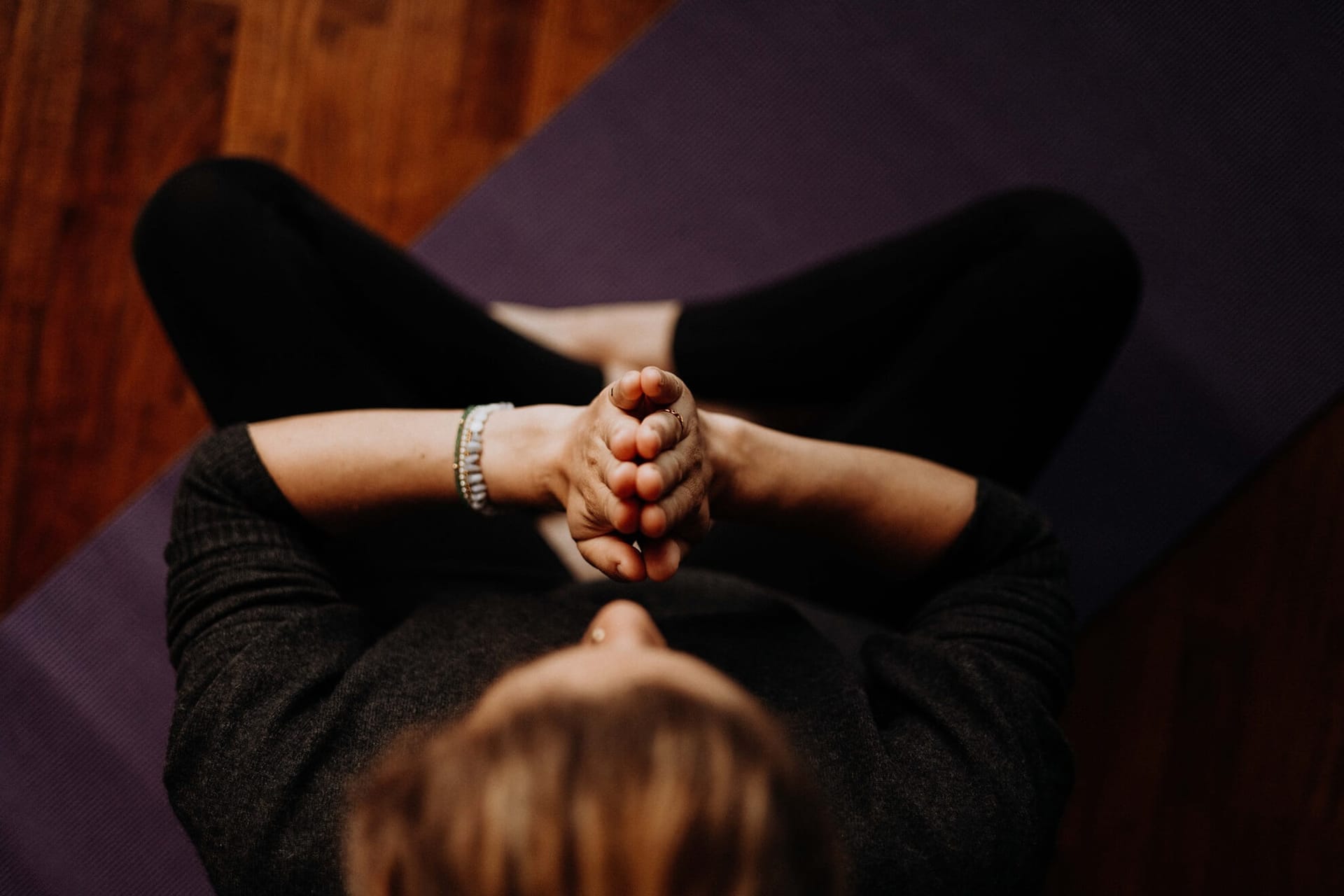
Zen meditation helps to experience stillness and Emptiness (Shunyata) and to calm the restless mind, because only a clear mind can think clearly and perceive the true nature of things. Most of the time, however, what we perceive is interpreted through filters, which can lead to misinterpretations and misunderstandings.
The so-called Hishiryō should be practiced. It means something like “non-thinking” and goes beyond our usual, categorizing way of thinking.
One learns to recognize and question one’s own thought patterns, to see inner blockages, and to dissolve attachment to the self and other aspects of life, because according to Buddhist teaching, clinging to anything generates suffering (Dukkha), which needs to be released.