
Ashtanga Yoga: the probably most demanding yoga style

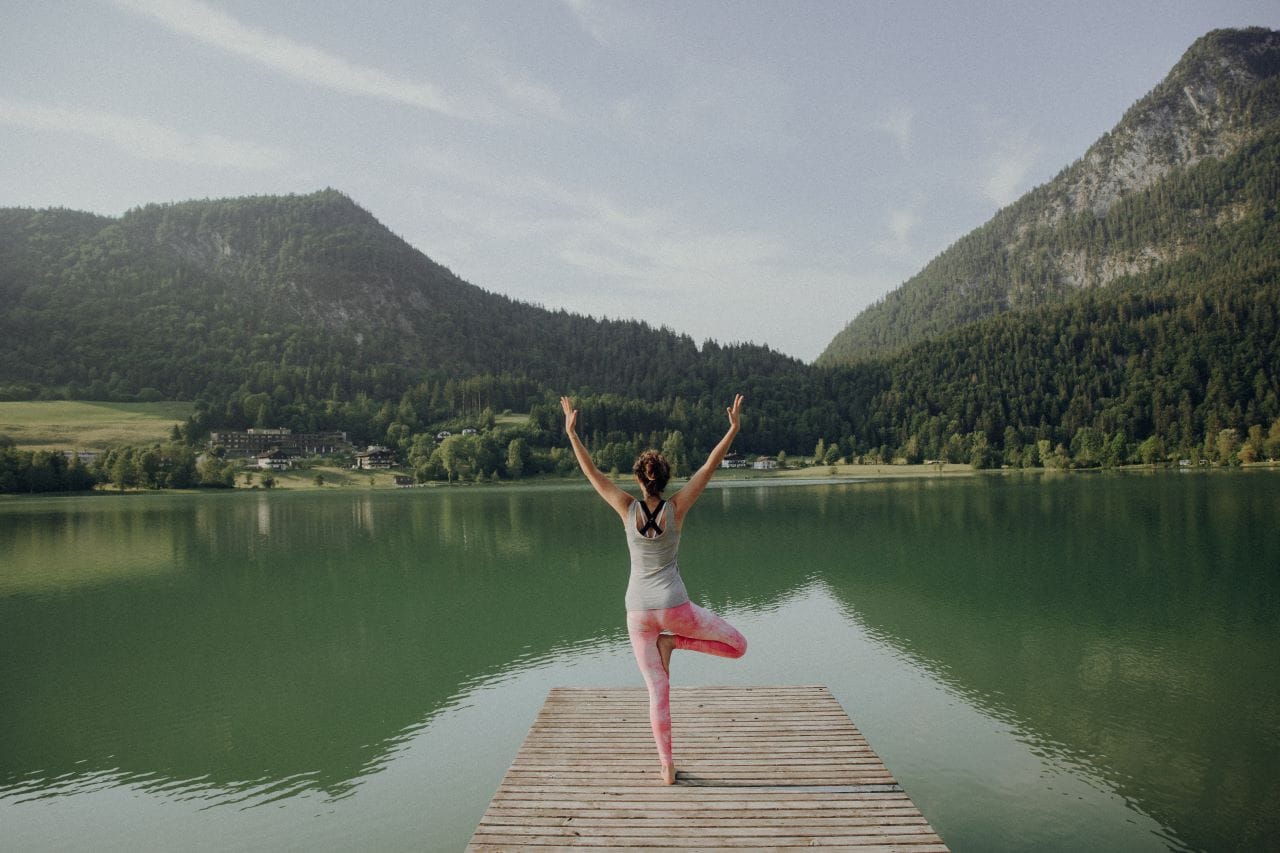
Ashtanga yoga focuses on strength, speed, and endurance and sometimes pushes students to their physical limits. This style of yoga is not called the most difficult yoga style without reason, and it supports both shaping the body and calming the mind.
Ashtanga is therefore a true power workout that has been successfully practiced for many years in numerous studios and training spaces. But why is this demanding yoga style so popular, and for whom are these exercises the right choice? At European Ayurveda®, we also focus on Yoga, but this does not necessarily have to be the most demanding style.
Power Yoga for a strong body and mind
Ashtanga Yoga is also known as Raja Yoga and is generally considered a highly demanding and intense yoga style that quickly pushes beginners to their limits. This style focuses on pace, speed, and strength and is traditionally taught according to the strict rules of the original Indian teachings.
Translated from Sanskrit, the term Ashtanga refers to the “eight limbs.” Therefore, the style is also described as the eight-limbed path.
In the West, this yoga style was introduced through the yogi Sir K. Pattabhi Jois, who established it especially in the 1970s and 1980s in Western countries such as the USA and Australia.
Since then, this very physically oriented yoga style has been regarded as a popular alternative among yogis who want to shape their bodies and release energy. Celebrities such as Madonna or Sting also helped increase the popularity of Ashtanga.
How Ashtanga Yoga is practiced
Often, a quick look into the yoga room is enough to notice the differences that set Ashtanga apart from other yoga styles.
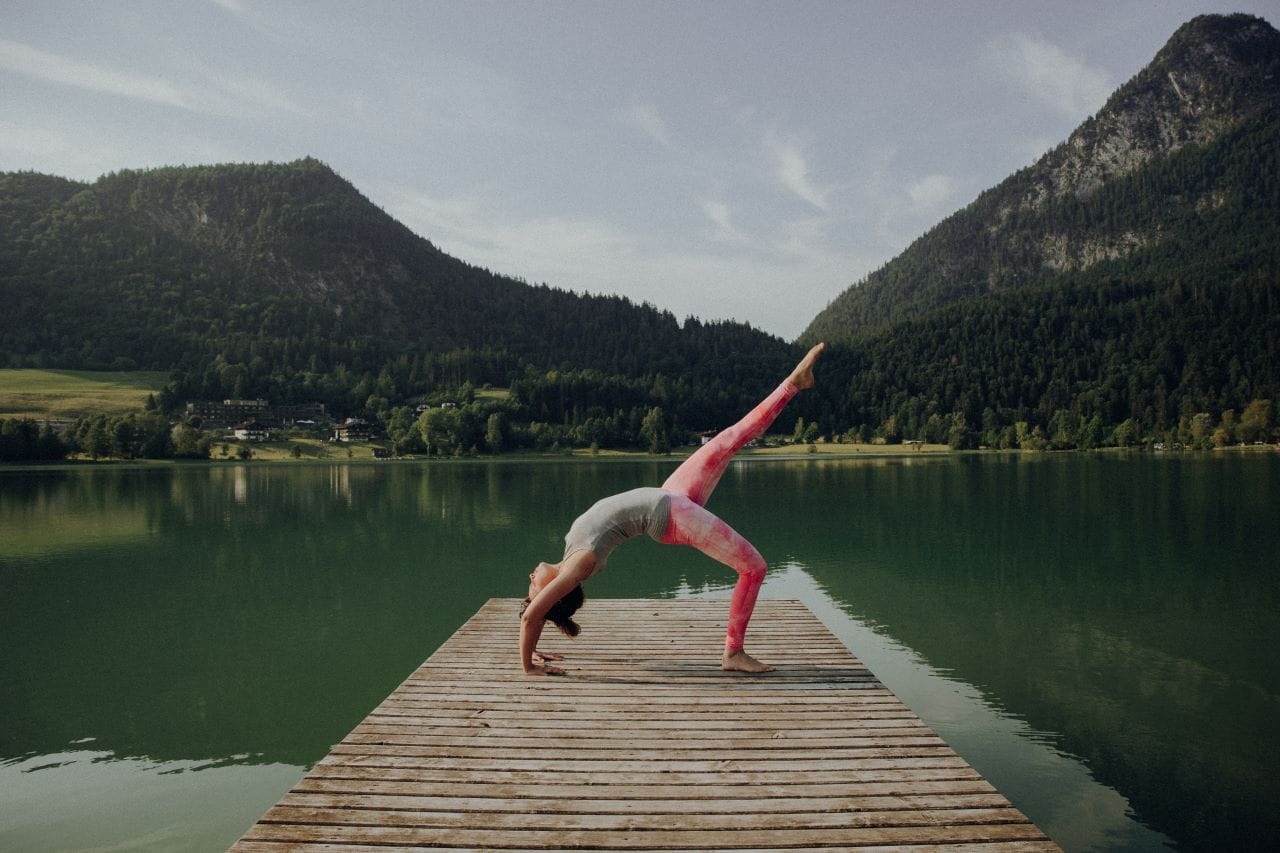
Predefined Ashtanga sequences, which come with increasing difficulty, together with the correct breathing rhythm, form the foundation of the practice. Although these sequences are strictly defined, students generally perform them at their own adapted pace.
The aim is to warm the body from within, in order to detoxify the body and release possible energy blockages. At the same time, the practice aims to improve blood circulation and gradually build strength and endurance step by step. Another pleasant side effect: the body becomes strengthened and shaped, while the mind is calmed.
Challenging exercises
Many yogis use only the first Ashtanga yoga series in their training, as the remaining sequences are significantly more difficult. These exercises are often very demanding and require a certain level of experience in order to avoid putting the body at risk and to keep the risk of injury low.
Ashtanga is therefore not only a true power workout, but also a real challenge—even for students who have been practicing for some time and have already tried different styles.
Who is the most demanding yoga style suitable for?
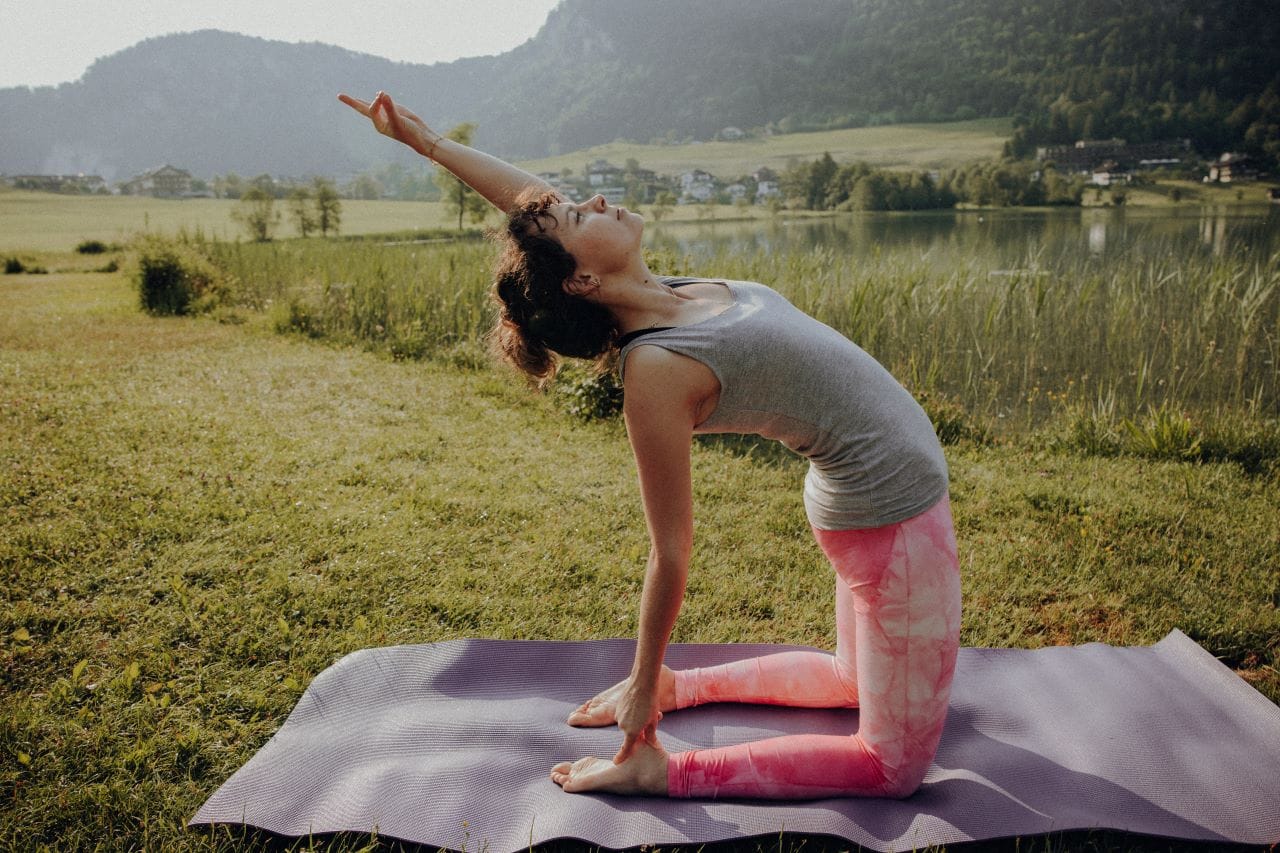
Ashtanga Yoga is an exceptional style among the many yoga traditions and primarily appeals to students who want to try a new alternative and prefer exercises that focus on building strength and endurance. It effectively shapes the body, releases energy, and helps to reduce weight.
At the same time, students with knee problems must take into account the higher risk of injury that can arise in Ashtanga Yoga due to its highly demanding postures. However, in cases of possible back pain, this yoga workout can work real wonders in relieving tension.
In general, experienced practitioners in particular may find a challenging new opportunity in Ashtanga Yoga. This is less true for beginners, who are usually advised to follow an intensive introductory training program, which is now offered by many yoga teachers.
In fact, Ashtanga Yoga does not only receive positive feedback within the yoga community. There are also critics who associate the style with a higher risk of injury due to its pace, complex movements, and demanding jumps. Even experienced practitioners can quickly reach their limits and may, in the worst case, suffer from strains or knee problems.
Therefore, it is especially important that Ashtanga Yoga is practiced only under the supervision of an experienced yoga teacher, which is particularly important for students who have little experience with other yoga styles.
Conclusion
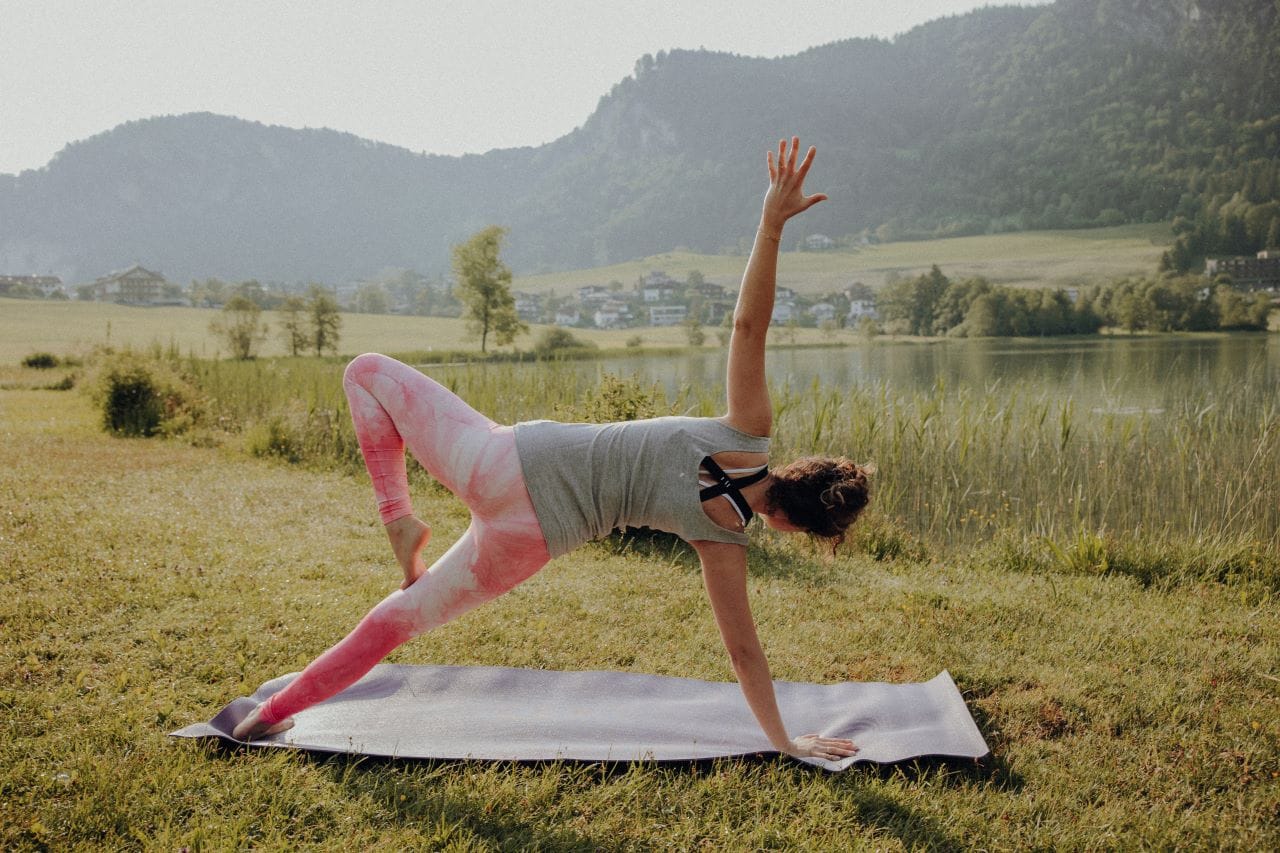
Strength, endurance, and pace, along with sometimes complex sequences of exercises, are at the core of the most demanding yoga style. However, Ashtanga has been extremely popular among many students for decades for good reason. This style is the right choice if you want to specifically strengthen your body, reduce weight, and improve your fitness.
Beginners must, however, pay close attention to the relatively high risk of injury associated with Ashtanga exercises. Complex jumps, a fast pace, and challenging postures come at a cost, which—without the guidance of a yoga teacher—can result in strains or other injuries. It is therefore important not to overstrain your body and to practice exercises that match your own level. The option to increase both challenge and intensity remains available later on.
At European Ayurveda®, yoga is generally part of a balanced and healthy lifestyle. However, it is important that you feel comfortable and listen to your body’s signals. If an asana feels too difficult, stop and try a simpler exercise.
Elisabeth Naschberger-Mauracher
Elisabeth Naschberger-Mauracher is the managing director and Ayurveda expert at the European Ayurveda Resort Sonnhof in Thiersee, Tyrol. Since 2019, she and her husband have jointly managed the Ayurveda resort, which has received numerous awards, including: Global Winner: Detox Program, Best Medical Spa Award, and World Luxury Hotel & Spa Award.
Insights
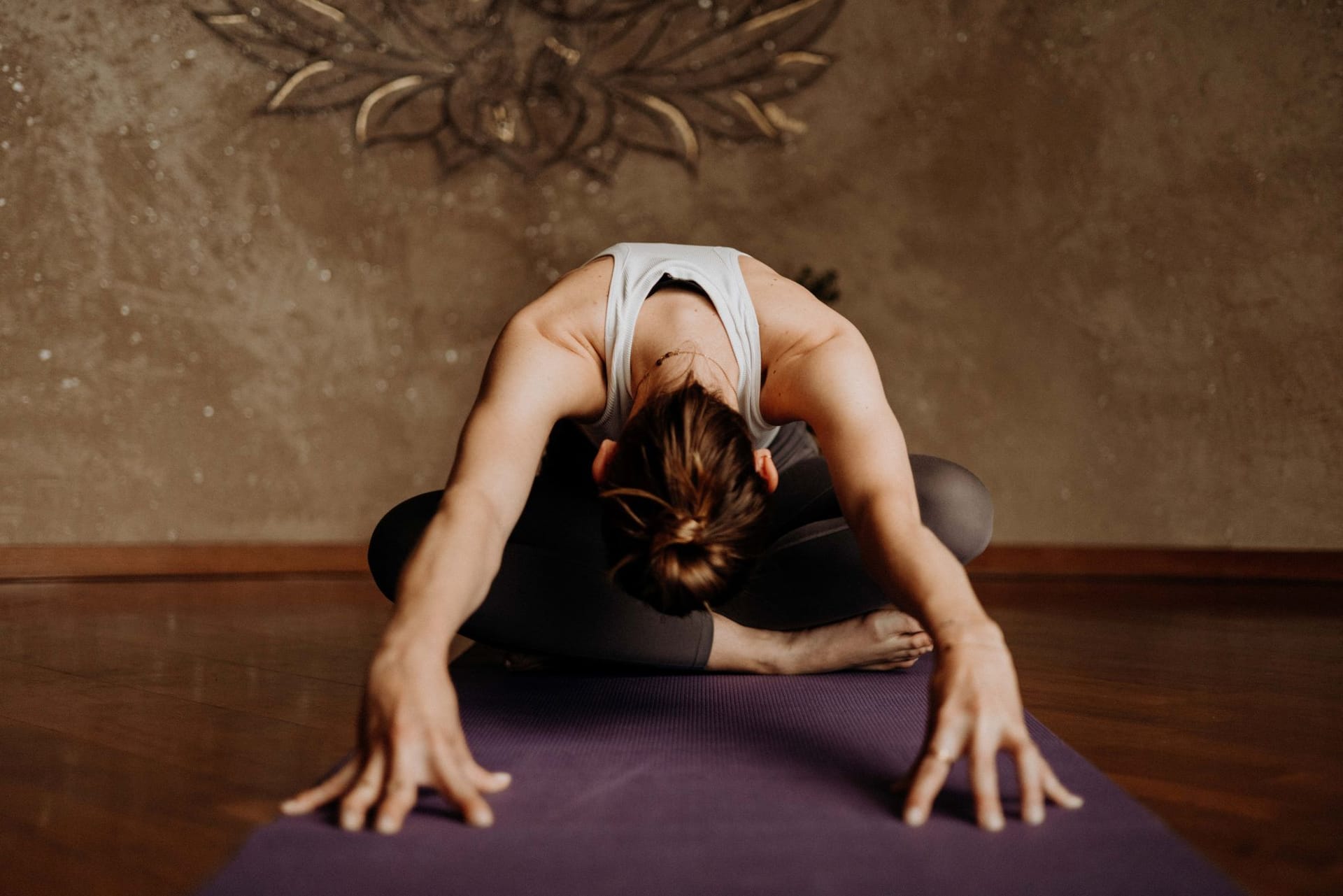
Hatha Yoga: All about the yoga style and the best exercises
Hatha Yoga is the most well-known yoga style and was likely initiated in the 6th and 7th centuries by the Indian scholar and fisherman Matsyendra, as well as his disciple Goraksha. In the 14th century, the Hatha Pradipika was written by Svātmārāma. Here he described Hatha Yoga, all the asanas and effects, and all its techniques.
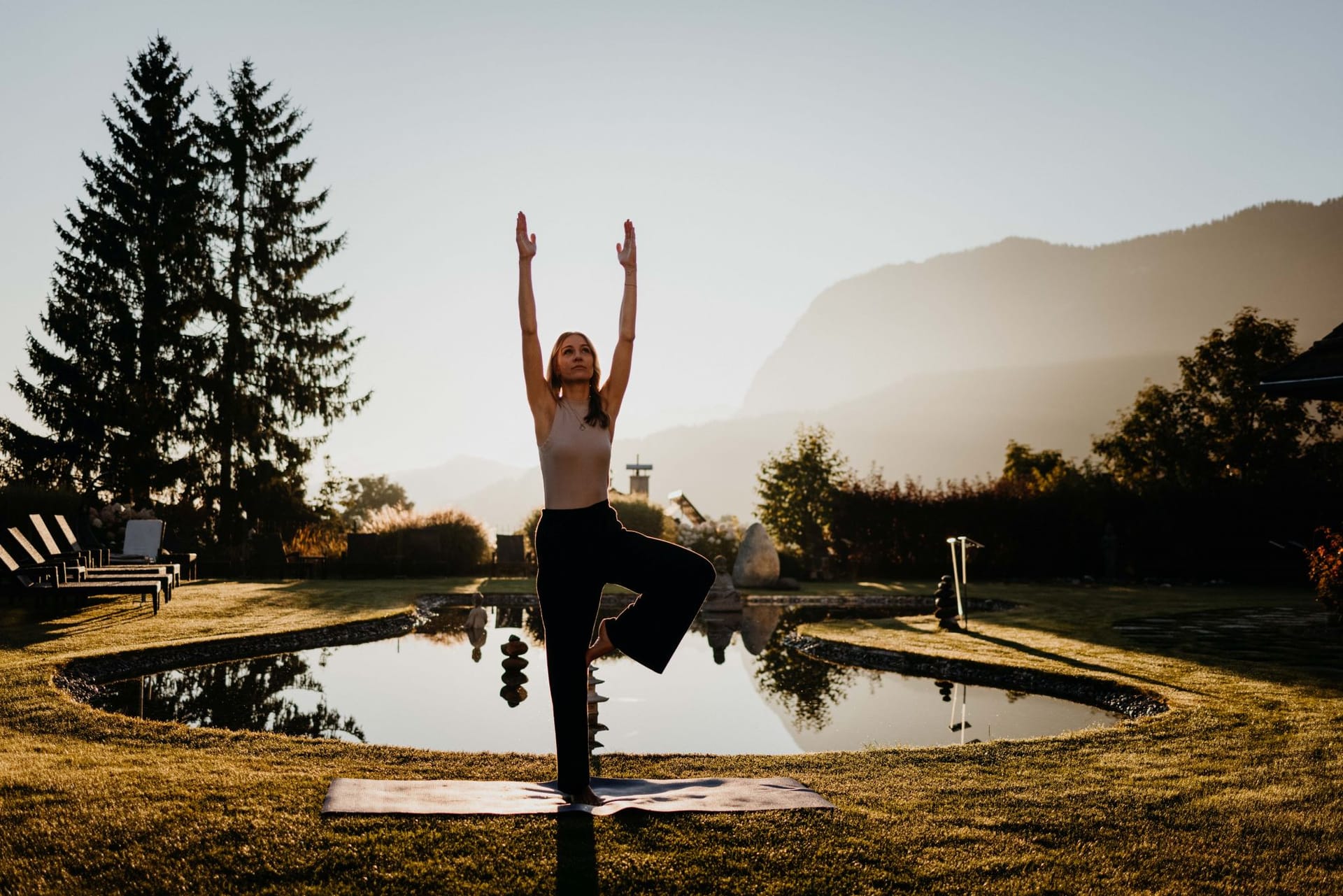
The best-known and most popular types of yoga at a glance
Would you like to start a yoga practice but don't really know which type of yoga is right for you? That's understandable. There are so many different types of yoga. Accordingly, it can be quite difficult for beginners to find their way in the yoga jungle. This article presents the most popular and well-known directions to give you an overview. But remember: Yoga is 99% practice and 1% theory. So try different styles and find out which types of yoga do you good.
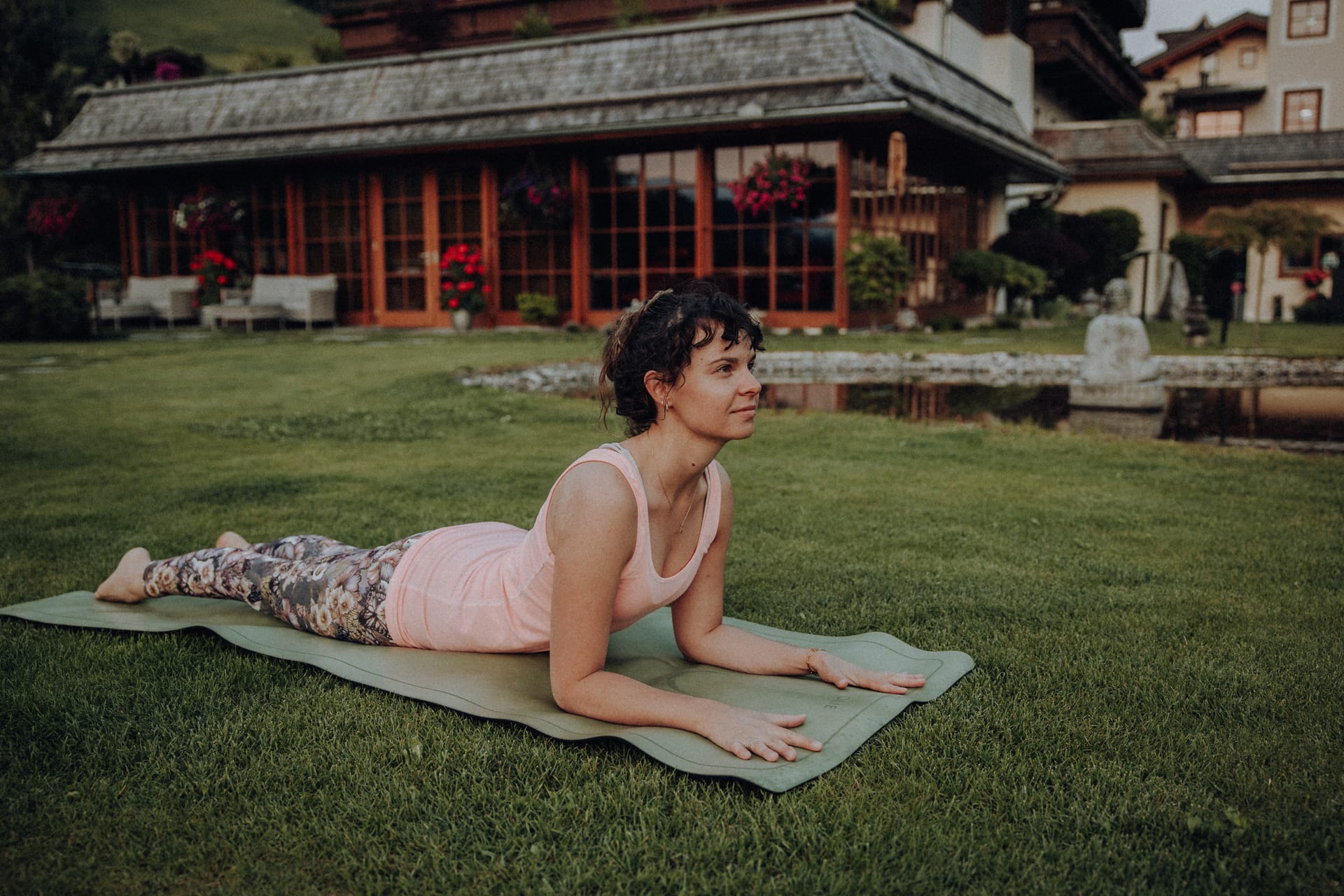
Yin Yoga
Yin Yoga is a calm and meditative yoga session where positions are held for a longer time to stretch and stimulate deep-seated tissue. This meditative form of yoga promotes relaxation, improves flexibility, and supports inner balance.