
Hatha Yoga: All about the yoga style and the best exercises

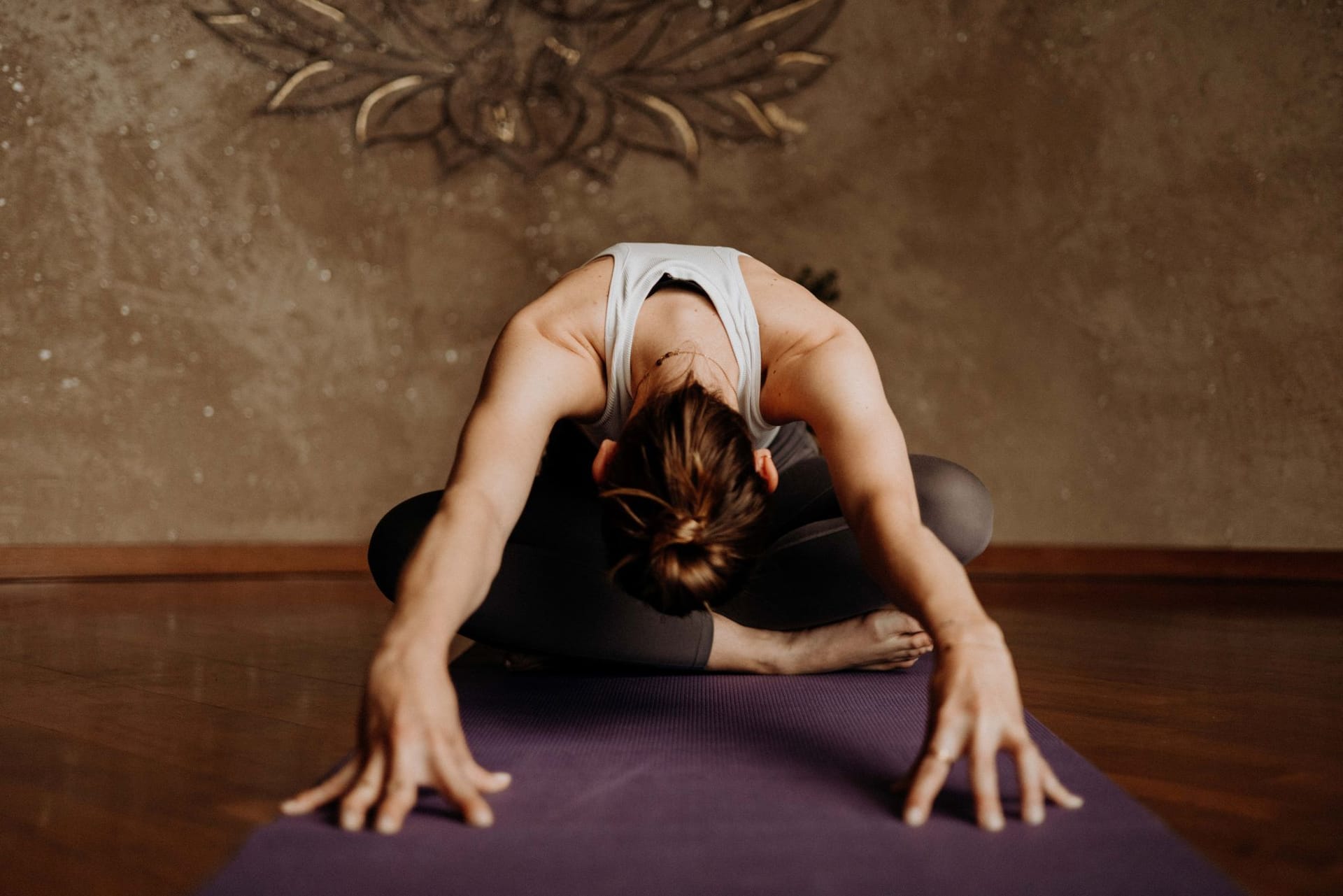
Hatha Yoga is the most well-known yoga style and was likely initiated in the 6th and 7th centuries by the Indian scholar and fisherman Matsyendra, as well as his disciple Goraksha. In the 14th century, the Hatha Pradipika was written by Svātmārāma. Here he described Hatha Yoga, all the asanas and effects, and all its techniques.
The word Hatha has multiple meanings: »Ha«, which means sun, and »tha« means moon. Combined, »Hatha« can be translated to mean »forceful« or »conscious«. As opposite as the name, are also the exercises themselves. Because Hatha Yoga is about balancing the opposites.
It mainly focuses on the physical body with various asanas and on breathing exercises (Pranayama). A Hatha Yoga session is characterized by slow and relaxed exercises – so perfect for a yoga beginner. It's about both the fortification of the sense of balance, as well as strengthening flexibility and the muscles. Hatha Yoga can make you more balanced and simultaneously stronger.
Benefits and focus points of Hatha Yoga
Even just a few yoga sessions are enough to feel the difference. You will notice that yoga works not only on a physical but also on a mental level.
Hatha Yoga is not only the best method for you as a yoga beginner but also has several great benefits:
It helps to reduce stress and to strengthen the body, the muscles, the mind, and the soul.
It helps relieve back and neck pain.
It helps with depression, sleep disorders, and high blood pressure.
The exercises are balanced between movement and exertion as well as rest and relaxation.
The asanas harmonize with breathing exercises and meditation.
A disturbed breath leads to a disturbed consciousness, a regular breath to a calm consciousness. The two go hand in hand. That's why the yogi values a regular and calm breath – he masters his consciousness in this way and thus extends his life. - Hatha Yoga-Pradipika
The most important Hatha Yoga exercises
In Hatha yoga, there are also various asanas that can be grouped. So there are seated exercises like the Lotus Pose (Padmasana), stretching exercises like the Fish Pose (Matsyasana) or the Bow Pose (Dhanurasana), and demanding exercises like the Headstand (Sirsasana) or the Crane Pose (Bakasana). Although it always looks so easy, a yoga session can require a lot of strength and concentration from you. It is important that you never give up, but practice (preferably daily) on yourself and your asanas.
As a beginner, it's important that you gradually adapt your body to the new exercises.
Muktasana – Upright Sitting
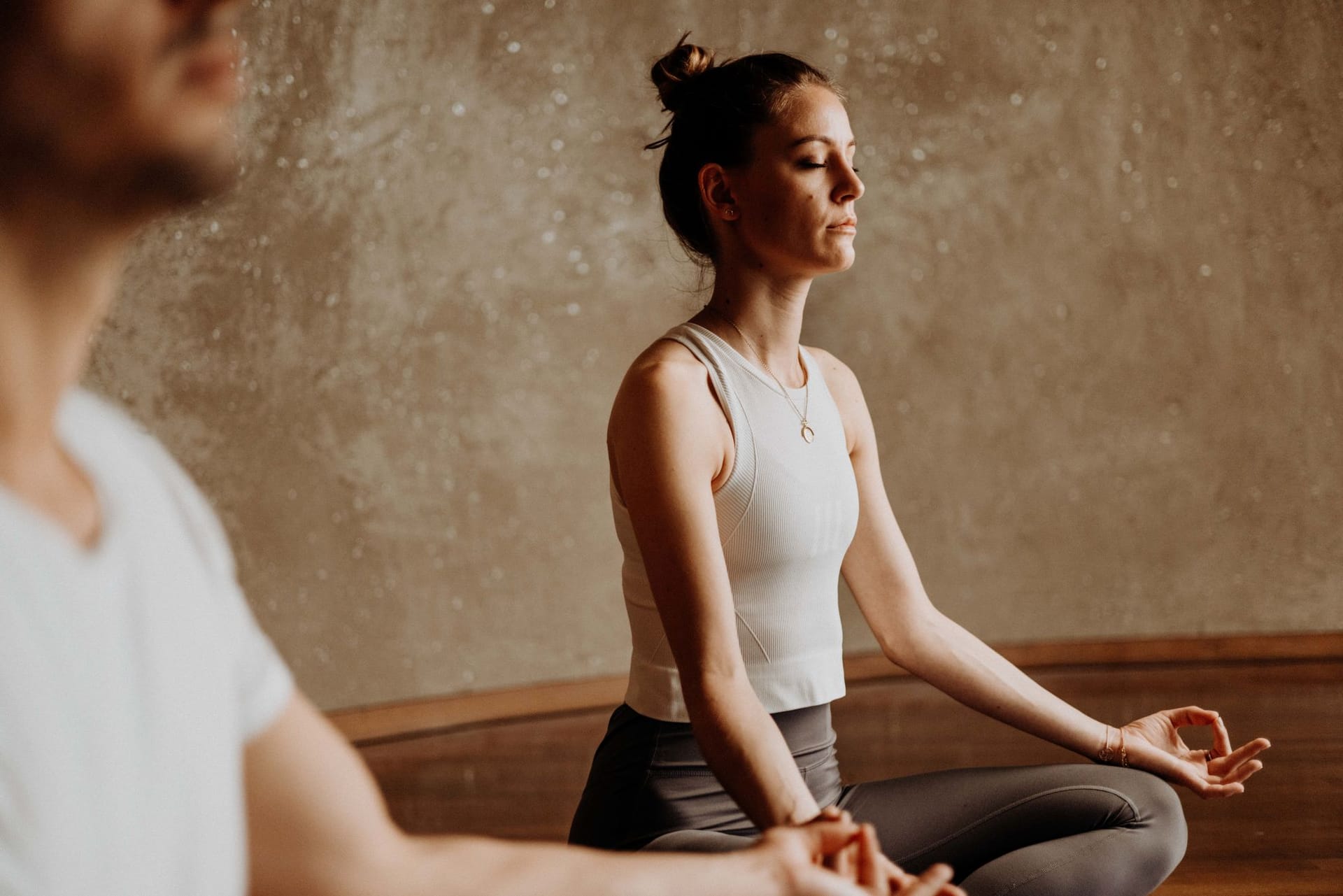
Muktasana is, as the name suggests, one of many seated postures in yoga. It should be noted here that the head, neck, and spine form a line and you sit comfortably.
How it works:
Sit cross-legged on the yoga mat, or a cushion, so that your pelvis is aligned and the knees can sink as close to the floor as possible. The knees should be lower than the pelvis.
Place your hands on the knees. The palms can face up or down.
Relax and remain for a few minutes.
Dhanurasana – Bow
This asana removes hesitation and doubt and provides orientation and safety. Additionally, it strengthens the entire back, improves posture and respiratory strength, and helps to promote decision-making ability.
How it works:
Lie on your stomach and rest your forehead on the ground. Then bend your knees and grasp your ankles with your hands.
While inhaling, lift your head and pull your legs up with your arms. The knees lift off the ground, and the groin remains on the surface.
Hold this position for a few breaths, then slowly lower your legs and head back down.
Nakrasana – Crocodile
The exercise, also known as the Crocodile, relieves the lower back and liberates. The body is twisted in such a way that the vertebrae and intervertebral discs separate from each other, allowing life energy to flow.
How it works:
First, take the supine position and spread your arms at shoulder height.
Next, bend your right leg and place it to the left. The shoulders and upper body remain on the floor, as does the lower hip.
Then turn your head to the right.
Remain in this position for 5–10 breaths and then switch sides.
Adho Mukha Svanasana – Downward Dog
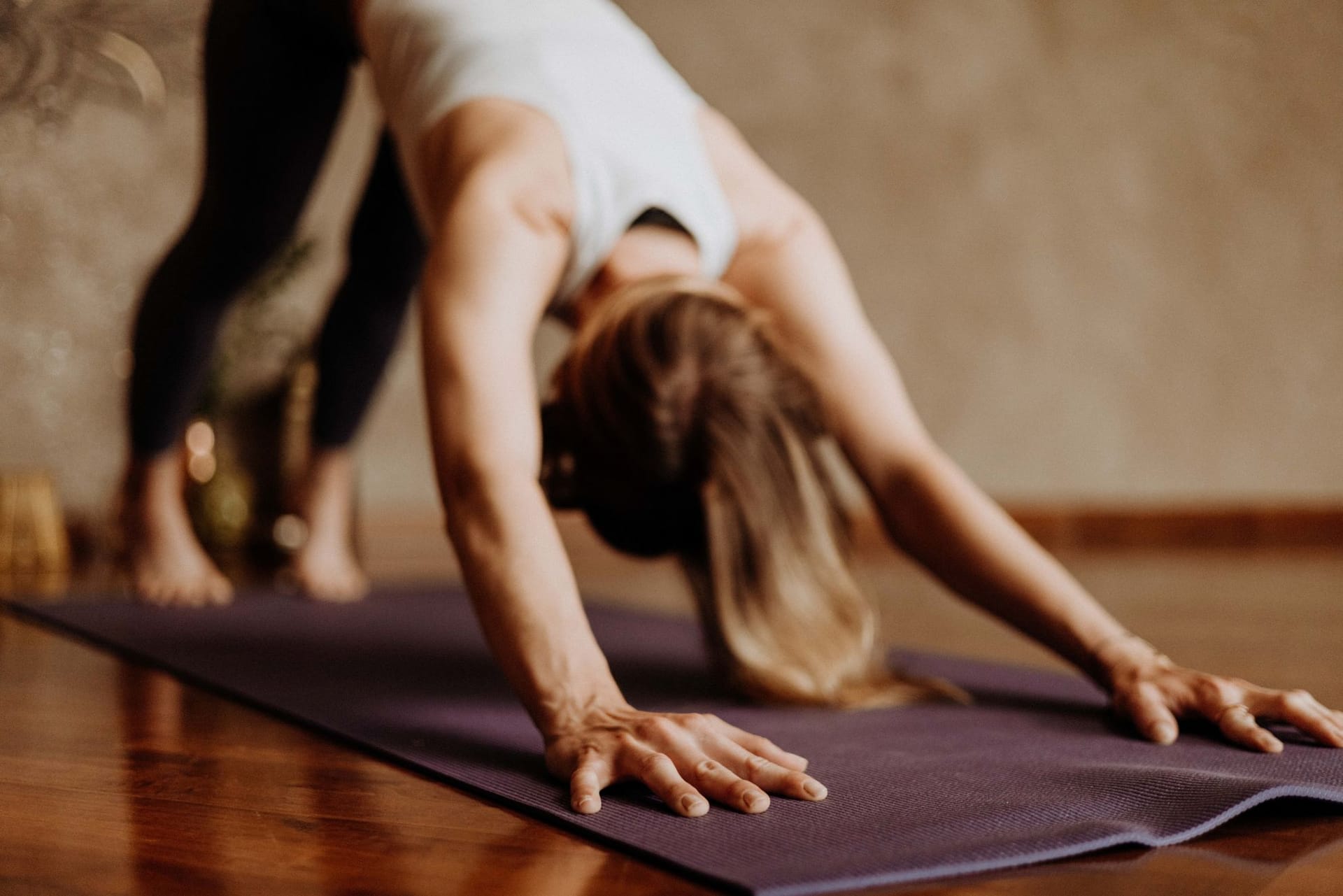
The Downward Dog is one of the most known asanas. This exercise helps with headaches and stimulates the nervous system in the body.
How it works:
It's best to start in a quadruped position. Hands should be shoulder-width and knees hip-width apart.
Exhale and lift the knees off the mat and stretch.
For proper body tension, you should press slightly with your hands to let the heels sink into the mat.
Hold this position for 1–3 minutes, then return to the quadruped position or child's pose.
Balasana – Child's Pose
The child's pose is a very calming and relaxing exercise. It relieves eyes, nerves, brain, breathing, and mind as well as the back and shoulders. This asana is a great follow-up exercise for the downward dog.
How it works:
Kneel on the center of your yoga mat and sit on your heels. The big toes touch each other and the knees are hip-width apart.
Now bend forward until your forehead touches the floor.
You can either lay your hands with palms facing down on either side of your head, or lay your arms with palms facing up beside your torso.
Focus on a calm, even breath here and remain in this position for at least 30 seconds, but not more than a few minutes.
Bhujangasana – The Cobra
The cobra pose mimics the upright posture of a snake. Here, the legs and hips lie on the floor, while the upper body is upright.
How it works:
Lie flat on your stomach so the spine does not bend. The tops of your feet should rest flat on the ground, and the heels should be hip-width apart.
Now move your elbows back so that you can place your hands flat near your chest. Lift your head from the mat and straighten up.
Now unroll the spine vertebra by vertebra until your arms are stretched.
Your gaze should be directed forward or slightly upward and aligned with your spine.
For an even more intensive stretch, you can also direct your gaze upward.
Now breathe in and out slowly a few times and enjoy this posture and stretch of the body.
If it is a good time for you, you can switch from the cobra back to the lying position.
We wish you lots of fun with your Hatha Yoga exercises.
Yoga is not about touching your toes. It is about what you learn on the way down. - Jigar Gor