
Guide for perfect abdominal breathing

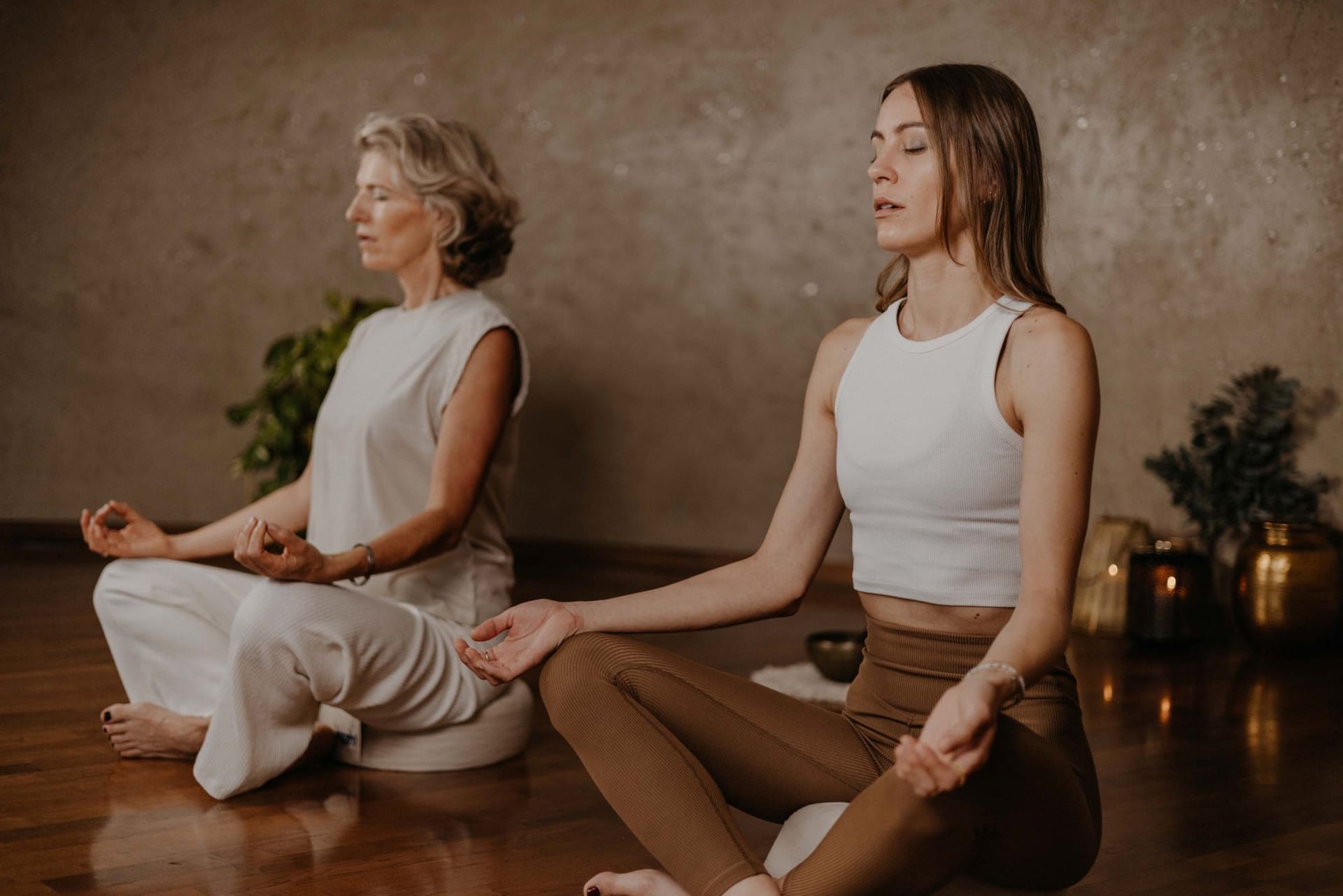
Conscious breathing carries a healing power. Especially during meditation, you can use this aspect to free yourself from stress, to focus, and to get closer to yourself again. An alert mind and emotional balance become possible as a result. However, to avoid falling into tense chest breathing, there are some aspects to consider. If you want to execute conscious, correct abdominal breathing optimally, this guide could help you.
Relaxed breathing brings healing
Breathing is the most natural thing in the world – but because your nervous system takes over this process automatically, many people find it difficult to breathe consciously. With the correct breathing you balance your basic constitution better and find more harmony. Because your breathing is directly linked to the emotional, physical, and mental aspects of your being.
This means you can consciously influence how you feel through your breathing. You have probably noticed yourself how your breathing adapts to your mood and situation. If you're happy, it can lead to deep, liberated breathing. In stressful situations, on the other hand, you react with tension, which manifests in shortness of breath and a tight chest. Unfortunately, regular hustle and bustle can lead to this state becoming normalized.
For this reason, you can learn to use your breathing in such a way that your mental and physical health can be maintained through the transformation of negative feelings into positive ones. If you manage to maintain a relaxed abdominal breathing even in tense situations, your nervousness will simply dissolve – you will face challenges more relaxed. Your prana – your life energy – will be stimulated and harmonized.
How to perform abdominal breathing correctly
By mastering relaxed inhalation into the abdomen, the diaphragm contracts and pushes your abdominal organs and thus also the abdominal wall forward with its central tendon. This allows the air to flow optimally through the trachea. During relaxed exhalation from the abdomen, the lateral abdominal muscles contract again – pushing the abdominal organs against the diaphragm. This allows it to relax, sink back into the chest cavity, and enables the barrier-free expulsion of air from the lungs. Unlike paradoxical abdominal breathing, you can find liberation this way.
If you are just starting with your first attempts at correct abdominal breathing, then it's best to follow this beginner exercise:
Sit in an upright posture and position your back and head as straight as possible. Let your shoulders hang down loosely. If you feel more comfortable, you can lie on your back on the floor and place your hands and arms at the sides. Now you can close your eyes.
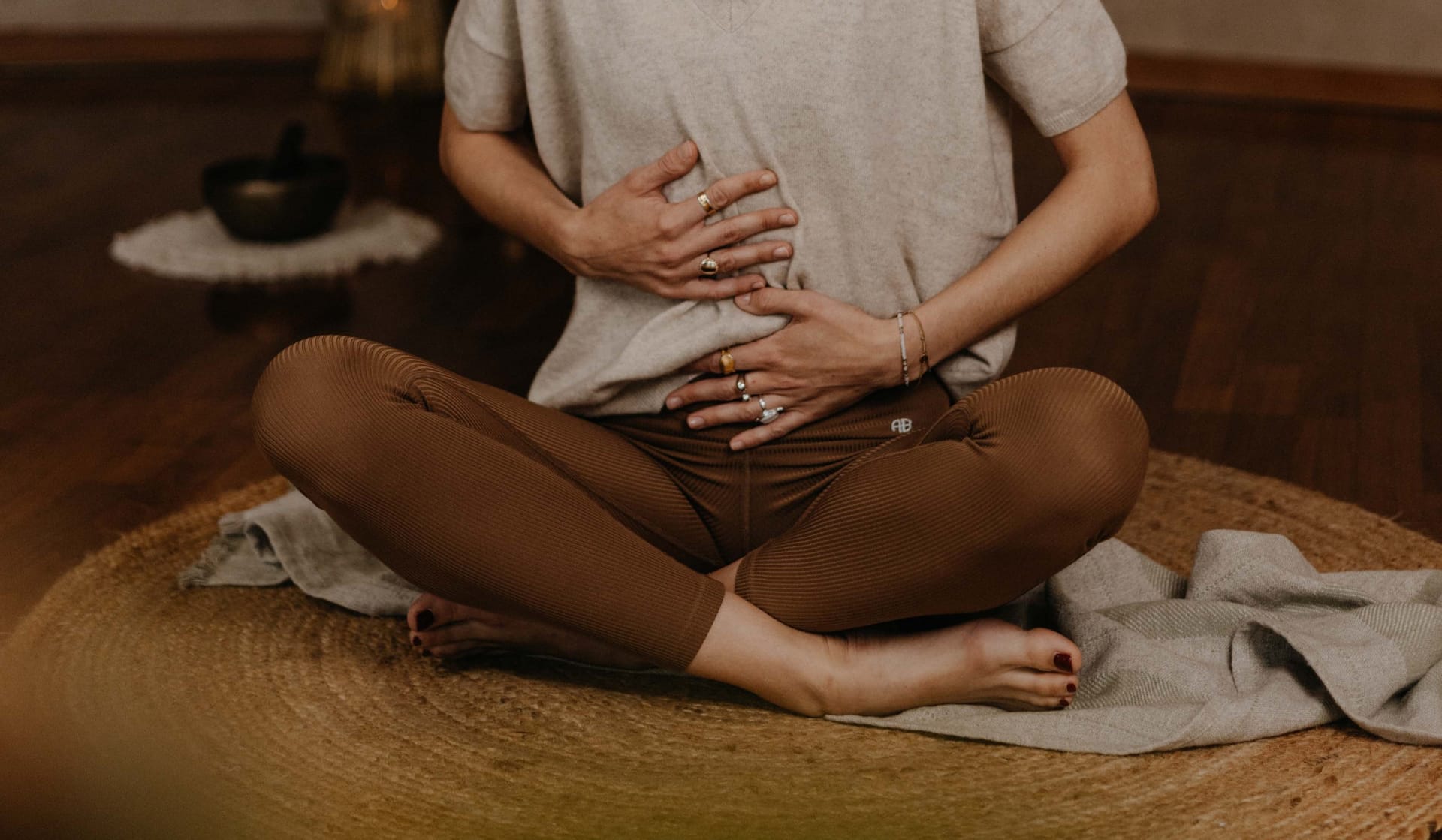
Now place your hand on your belly – the middle finger should be on the navel, the other hand can be placed on the sternum. Try to breathe consciously and slowly into your belly – your abdominal wall should move as you inhale and exhale. Initially, this may only affect the upper or middle abdominal area. Your sternum should remain largely unmoved.
Pay attention to gentle breathing and increase it to an increasingly deep and slow abdominal breathing. Try to relax more and more – this should make a natural, deepening breathing possible. Do not forcefully breathe into the abdomen, but remain relaxed. Simply follow your impulse whenever you feel the need to inhale or exhale.
Ideally, you will become calmer and more relaxed. You will also notice this by feeling your belly moving gently, relaxed, and completely from the solar plexus to the genitals.
These four steps are an excellent beginning to approach perfect abdominal breathing. Apply this breathing technique for 10 to 20 minutes and feel more liberated and comfortable!
If you are already a bit further on your path to ideal abdominal breathing, then this advanced exercise is a meaningful addition to your relaxation sessions:
Your posture should remain upright, whether you are standing, sitting, or lying down. Relax the shoulders and all muscles, that are not actively needed.
Focus again on your abdominal wall – breathe deeper and more relaxed in and out.
Now place your hand on your belly – the middle finger should be on the navel, the other hand can be placed on the sternum. Try to breathe consciously and slowly into your belly – your abdominal wall should move as you inhale and exhale. Initially, this may only affect the upper or middle abdominal area. Your sternum should remain largely unmoved.
Now use the power of your imagination! Imagine how you inhale new strength and energy. When exhaling, send out light and love. Repeat these imagination prompts mentally as well by having the words "strength and energy" clearly in mind when inhaling and seeing the words "light and love" distinctly when exhaling. This exercise is recommended for about 10 breaths. Of course, you can repeat this advanced abdominal exercise as often as you feel comfortable.
Additionally, the so-called light press breathing is advantageous: it helps with tension in the abdomen. Gently press the breath into your abdomen – your abdominal wall bulges outward, becoming spherical-round as you inhale. When exhaling, it draws back inward. This exercise helps very well to regain a relaxed feeling in the abdomen. Then continue with gentle abdominal breathing – however, do not consciously move your abdominal wall anymore.
The beautiful thing about these exercises is not only a momentary relief – over time, you'll see that you breathe automatically into the abdomen. Take 10 to 15 minutes 1-2 times a day to practice your abdominal breathing techniques with concentration. Soon, you will feel how you can find relaxation and also new vitality.
Insights

Mindfulness
Mindfulness is a natural human ability that we possess and can strengthen through exercises. Practicing mindfulness means being present, awake, and consciously in contact with the current experience, moment by moment, with a non-judgmental, open, and accepting attitude.
Breath meditation – Breath is life
Time for a breathing meditation! Breath can flow through our body like a small stream or like a life-giving river. This life force can uplift us, bringing vitality, freshness, and supporting all life processes. Breath delivers essential oxygen and is the source of our life energy. At the same time, it serves as an anchor for deep calm and can release physical, emotional, and mental blockages. Sleep problems, exhaustion, or difficulty concentrating may also improve—or even disappear—through relaxed and deep breathing. Strengthening your breath means strengthening your physical and emotional power. There are many good reasons to get to know your breath and its natural rhythm more closely.