
Mindfulness


Mindfulness is a natural human ability that we possess and can strengthen through exercises. Practicing mindfulness means being present, awake, and consciously in contact with the current experience, moment by moment, with a non-judgmental, open, and accepting attitude.
When mindfulness touches something beautiful, it reveals its beauty. When it touches something painful, it turns it around and heals it.
– Tich Nhat Hanh
The Qualities of Mindfulness
Non-judgmental – a silent, non-judgmental awareness
Example: A child marvels at a spider or another insect completely curiously and without prejudice.Conscious Perception – observing, feeling what is (internal and external stimuli)
Example: You notice that the air has a different quality when inhaling compared to exhaling.Effortless – without strain
Example: The bird simply flies or glides, it is in its nature to fly, this happens completely effortlessly.Accepting What Is – the mindful mindset does not want to change anything and views reality as it is
Example: You are in meditation and noises appear from outside. Try not to interpret them as a disturbance, but take them as an opportunity to go even deeper into meditation/relaxation.Being in the Now – being present, timeless
Example: You can only be mindful of what is emerging right now. As soon as you think about the past or future, you are not in the now.Without Intentions – Mindfulness has no goal, it is a conscious non-doing in doing, an action without intention.
Example: The Buddhist monks carry out their tasks without aiming to achieve a goal.Direction of Attention – through mindfulness you learn to consciously direct your attention to what currently benefits you and what you want to engage with.
Example: Focus entirely on your breath for the next few minutes while reading these lines.Benevolent & Compassionate – Mindfulness is a benevolent mindset, you are kind to your breath, your emotions, or pain. This creates compassion and joy with all that appears inside and outside.
What is Not Mindfulness?
The unconscious mindset that usually prevails in our daily life.
Here we identify with the object of observation. It is always linked to wanting or not wanting. In this state, one evaluates, compares, judges, and labels what is perceived. This state has nothing to do with mindfulness.
When you lose touch with Inner Silence, you lose contact with yourself. When you lose contact with yourself, you get lost in the world.
– Eckhard Tolle
Practical Tips for Mindfulness Training
1. Start the Day with Mindfulness
Begin as soon as you wake up, especially in the morning when the mind is still clear and fresh.
Take the first conscious breaths, try to do all the actions you do in the morning mindfully (e.g., showering, brushing teeth, having breakfast). You will see that the day starts much lighter and happier.
2. Create Space for Yourself
A few minutes are enough for the mindfulness practice.
Use, for example, the breaks in your work, the commute, or when you're in line again. Also, treat yourself to a little time out just for yourself, e.g., a mindful walk after a stressful workday.
3. Fully Engage
Make it your life motto and practice mindfulness a little more every day. It starts with nutrition and movement and affects your entire lifestyle.
4. Focus on What Benefits You
Use your increasing mindfulness to become more sensitive to which people, projects, and activities benefit you and focus more on them.
5. Practice Slowness
Try to practice slowness as often as possible. This can be while walking or eating. You will see that slowness helps you become increasingly mindful.
6. Talk Less, Listen More
Get used to listening mindfully to your counterpart and not immediately evaluating what is heard or following your own thoughts. Learn to endure the pauses in conversation and use the breath as a tool. A mindful conversation between two people is a beautiful gift for both.
7. Reflect
Write down your experiences and look back at what successes you have already achieved. Maybe you also want to inspire someone in your surroundings and share your experiences with mindfulness.
Happiness is a butterfly, said the master. Chase it and it escapes you. Sit down and it settles on your shoulder. So what should I do to attain happiness?, asked the student. You could try sitting still – if you dare.
– Anthony de Mello
In this sense, dare to implement mindfulness in your everyday life and you will see that your life will be greatly enriched.
Being Mindful – Living Mindfully.
Insights

This is how you ground yourself with European Ayurveda®
The holiday season is slowly coming to an end. Family and work life are gradually reclaiming you. New projects, new tasks, and new challenges await you! You might also have a lot of ideas and wishes that you want to implement, but somehow cannot find the time to do so. Does this sound familiar? Our life is sometimes so fast-paced and hectic that we quickly lose our balance. Especially in stressful situations, it's important to regularly ground yourself and anchor in the here and now.
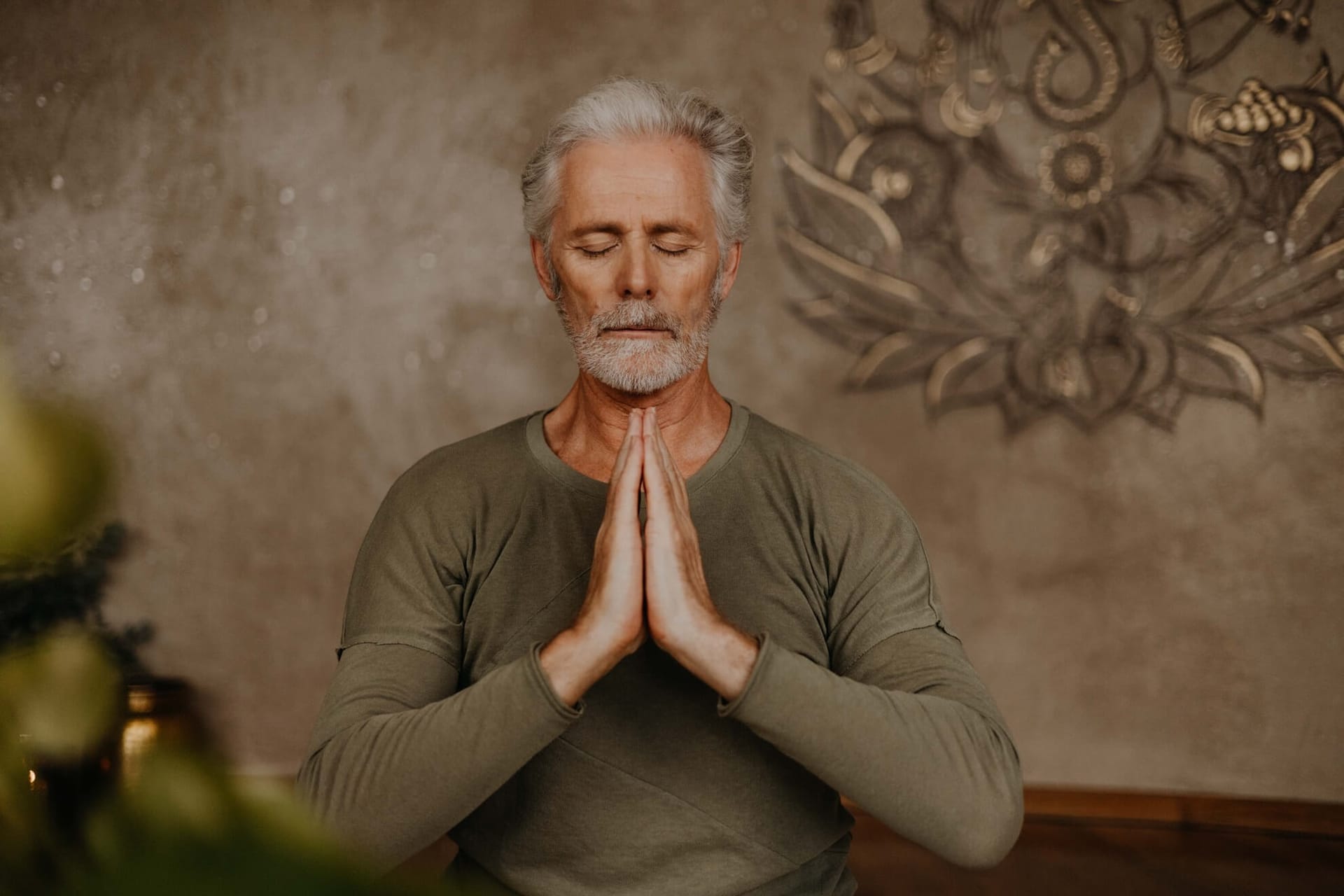
Ayurveda in Everyday Life: Rituals for Daily Life
Dinacharya, the tradition of setting a daily routine, is one of the most important Ayurvedic practices to enhance health and overall well-being. Take a few minutes each day and consciously incorporate Ayurvedic rituals into your day. This way, you can be healthy and successful in everyday life and work with Ayurveda. Here are some tips to help you practice Ayurveda in everyday life!
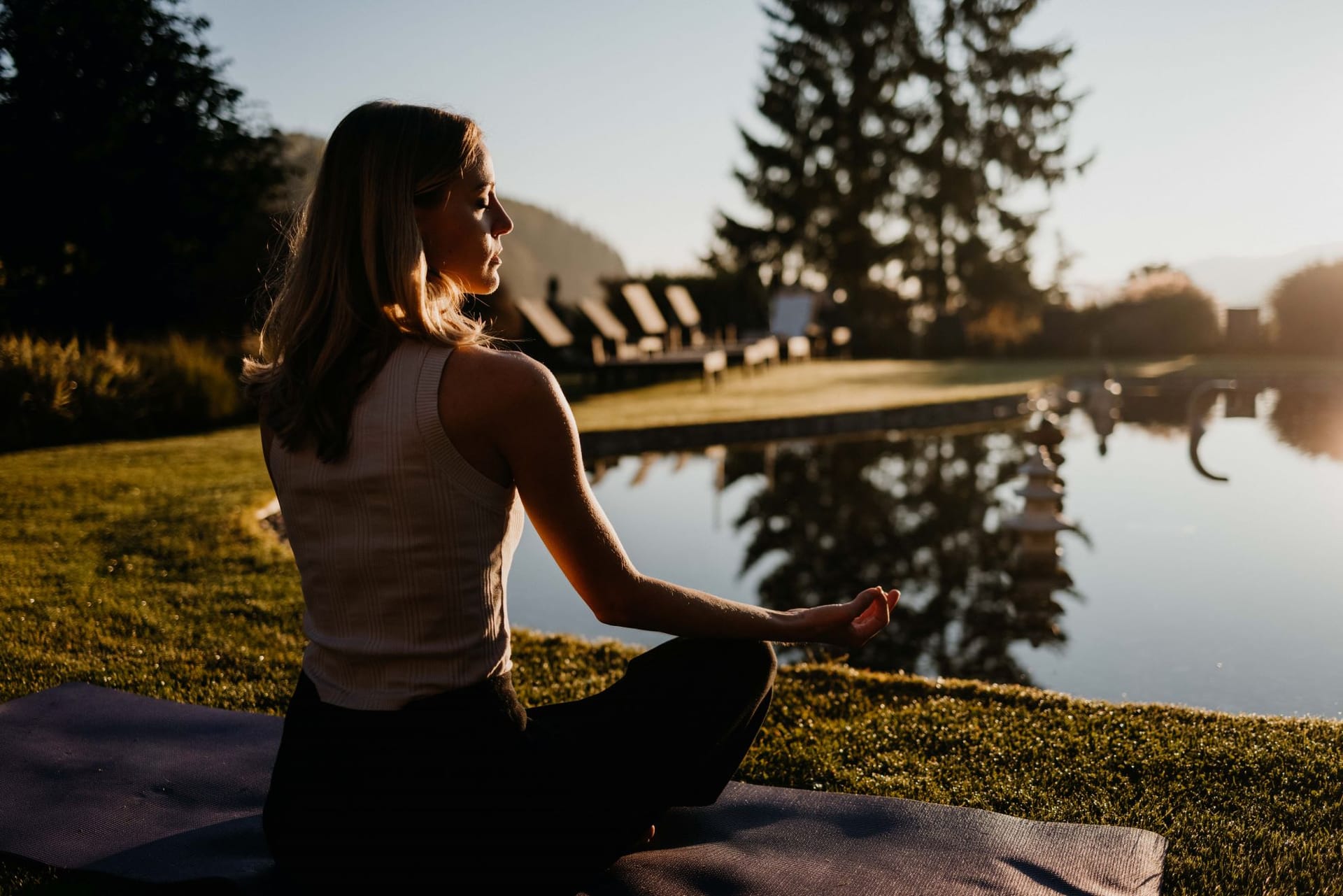
Yoga in the morning: The best exercises after waking up
Yoga reduces stress and is therefore practiced by many people in the evening after work. But why not start the day fresh and relaxed with yoga? If you do a few yoga exercises right after getting up, you strengthen your metabolism and go through the day with freshness and energy. We show you what morning yoga does for your body and mind and which exercises are best.