
How and why meditation promotes your health and well-being

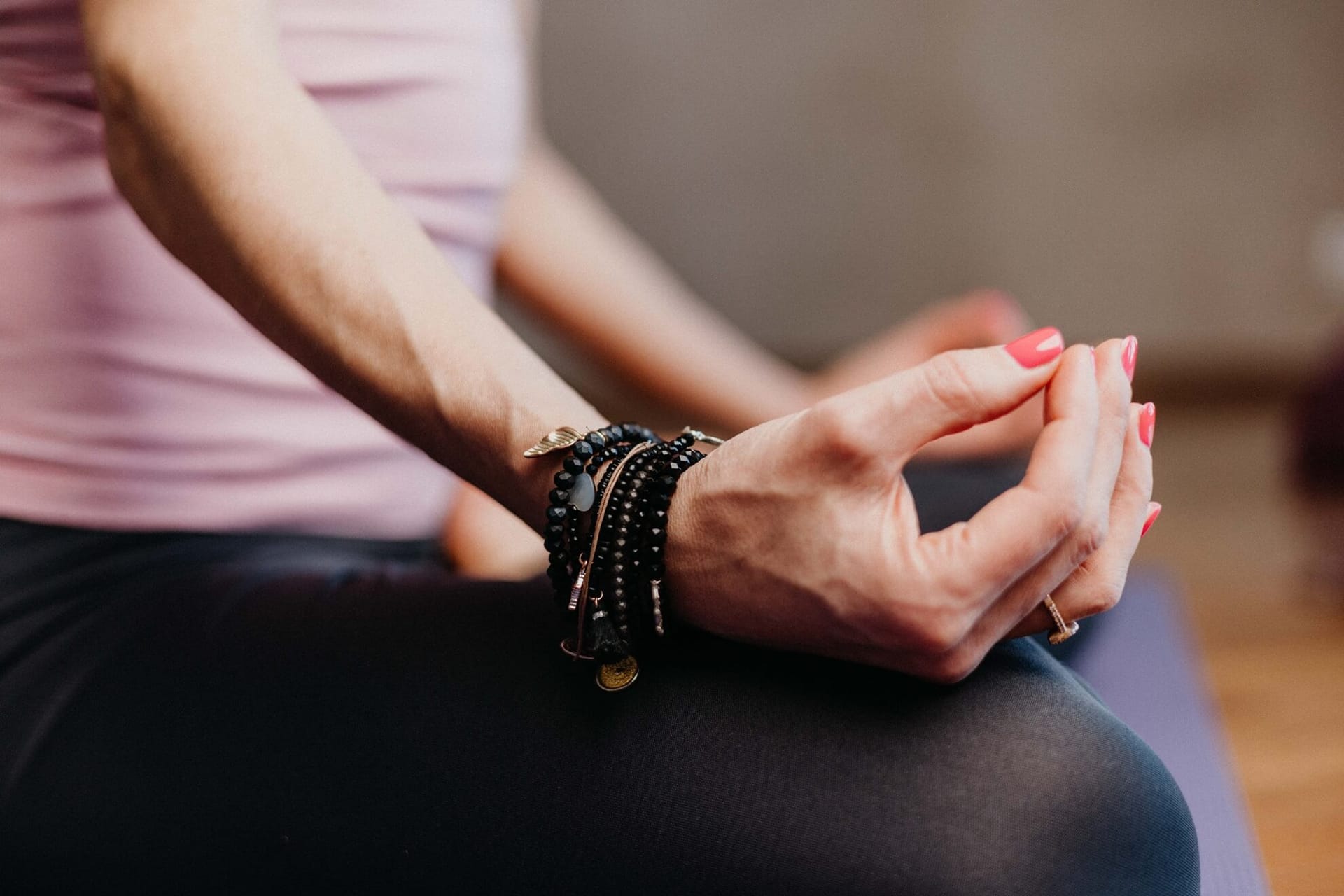
Inhale, exhale, close your eyes, sit still - and is that supposed to help? When the keyword meditation is mentioned, skepticism is still often high. The millennia-old technique is actually based on a very simple principle, namely mindfulness towards one's own body. Here you can read how regular meditation promotes health and well-being and why the conscious journey into the mind has such a positive effect.
This happens during meditation
Meditating is about much more than just murmuring single words with closed eyes. Brainwave measurements have shown that during meditation the brain enters a more relaxed and simultaneously more receptive state. The brainwaves slow down, just as in the deep sleep phase, yet the person is awake. So far the medical observation, but what is behind it psychologically?
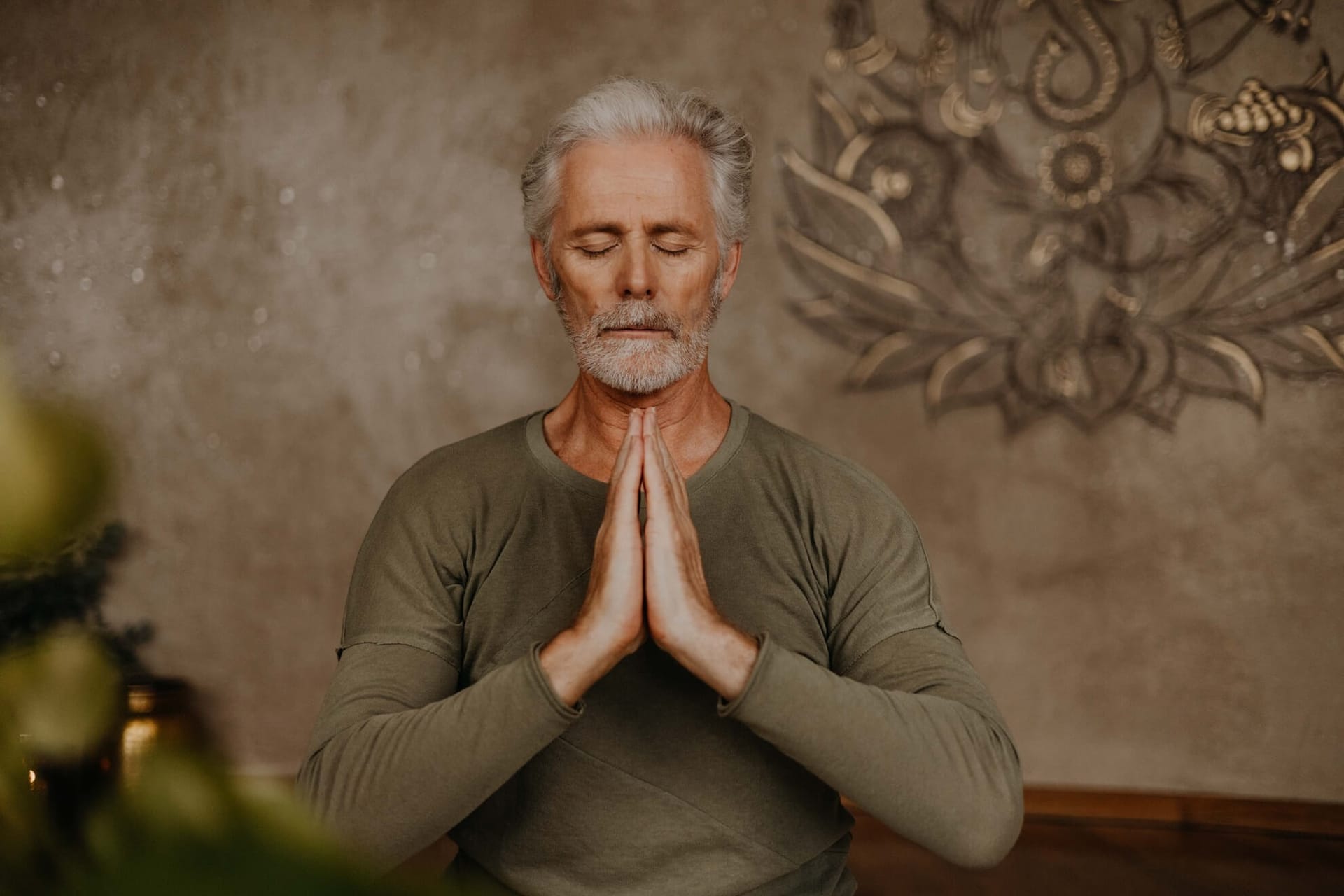
The principle of meditation
What we understand as meditation in the Western world is the Mindfulness-Based Stress Reduction (MBSR) method that emerged in the 1980s. Mindfulness should prevent stress and promote the conscious experience of daily events.
If meditating regularly, it's less about a specific treatment method, but more about preventive measures, to give stress no chance at all. In Ayurveda, meditation is part of the general balance.
Primarily, it works because through conscious pauses and self-reflection, it simply supports the ability to accept and deal with any circumstances. This includes chronic pain, mental illnesses, and other situations.
How meditation supports health
The list of health aspects that can be improved by meditating is unexpectedly long. In medicine, meditation is now recognized as a valid addition to medication therapy. At first glance, the mindfulness tactic helps in the following areas:
Stronger immune system and heart
More stable circulation
Lower blood pressure
Pain relief for chronic illnesses and pain from asthma, migraines, allergies, etc.
Improved concentration and higher attention
But not only physically does meditation have a proven significant impact on health. Especially, the psyche can greatly benefit from regular meditation benefit:
Overcoming anxiety disorders: When meditated repeatedly, the anxiety center shrinks. This means that anxiety or panic attacks can occur much less frequently, and in the long term.
Getting rid of dependencies: Medical studies have shown that especially smokers can quit their habit through meditation. Smoking is often a method to overcome stress or mask nervousness - both factors are balanced by meditating.
Combatting burnout and depression: When the body feels overwhelmed by too much stress, burnout symptoms and consequently often depression threaten. Meditation prevents that by blocking stress. Those who regularly switch off briefly rest within themselves, breathe deeper, and can better gauge how far their energies go.

Of course, it should not be assumed that a few meditation sessions lead to complete inner peace. Hardly any illness can be cured by meditation alone. However, regular meditation is associated with a significantly increased acceptance, which makes it easier to deal with pain, symptoms of illness, and stress from the start. The conditions may remain unchanged, but they influence the psyche and well-being much less.
How to meditate
There are several different ways to meditate. One distinguishes between focusing and defocusing meditation:
Focusing meditation+
Focusing meditation means concentrating fully on a single thing. This can be the classic 'Om' or another mantra, but also one's own breathing, the flame of a candle, or certain music can be the center of attention.
Defocusing meditation+
Defocusing meditation, on the other hand, involves building a clear distance to one's own emotional world. Emotions and thoughts are allowed without limitation but are not evaluated. This way, an outside perspective on one's own person becomes possible, and irrational fears, desires, and ideas become recognizable as such. The observer perspective also allows for more empathy towards others.
Affirmations help to strengthen one's own mindset and visualize new goals. These are internalized with meditation.
Meditation can also take place in a moving form. Yoga practices or the Ayurveda teachings aim at mindfulness and a meditative lifestyle. Yoga, for example, is about movement meditation: Physical movements are carried out consciously and very slowly.
Already 20 minutes of meditation practice per day has been proven effective in a short time, as studies have shown. After about two months, blood pressure can decrease, breathing can become more calm permanently, and oxygen supply can improve.
Implementation in practice: What matters in meditation
For successful meditation, the following three things, especially the last point, are essential:
The time: In principle, meditation can be done at any time of the day. However, the time frame should always be about the same and should not be interrupted abruptly.
The posture: Meditation usually works best when seated upright with a straight back. This supports calm breathing.
The attitude: Breathing calmly for a long time, not moving and only following one's own thoughts - this is a challenge, even for meditation professionals. All these emotional states may and should be acknowledged and not pushed away. Meditation means the constant overcoming of boundaries and does not happen at the push of a button.