
Overview of meditation techniques

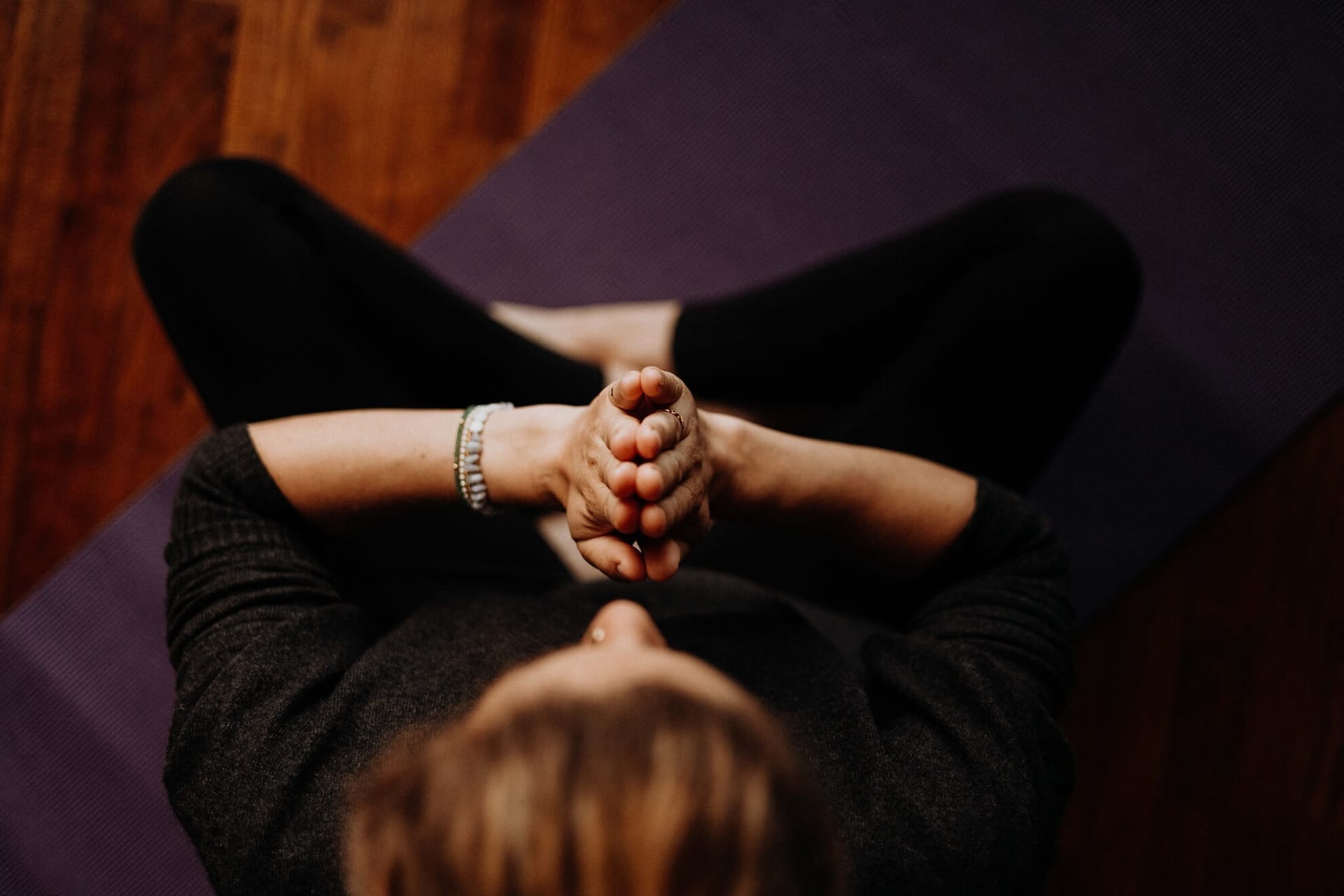
Are you interested in meditation but have doubts whether you can sit in the lotus position for hours? Don't worry: there are many different types of meditation. Here we provide you with an overview of the different meditation techniques and help you find the method that suits you best. Whether calm or active, beginner or advanced – there's something for everyone.
What effects does meditation have?
Why do people meditate? It's simple: meditation is beneficial for the body and mind. Those who meditate regularly will feel the effects in all areas of life and lead a more balanced and healthier life. But first things first: what does meditation actually mean?
What is meditation?
Technically speaking, meditation is not an exercise that you occasionally engage in. In fact, meditation is nothing more than a state where you focus fully on yourself and the moment – and this can be practiced not only on the yoga mat but also in everyday life. Moreover, meditation is not just a path to self-discovery; it also has positive effects on physical and mental health.
Meditation against anxiety and worries
Anxieties and negative thoughts often weigh heavily on our psyche in everyday life. For a calmer and more harmonious life, it is especially important to free ourselves from such burdens.

Meditation acts like a balm for your mind and changes your perspective on difficult situations. With the help of meditation, you can even learn to let go.
If you meditate regularly, you will get lost in distressing thoughts less often and learn to better protect yourself from distractions. You handle the daily challenges of life with more calm and strength, ensuring more harmony and well-being in your life.
Better sleep thanks to meditation
When your mind is calmer and more balanced, your body notices it too. Without emotional stress and distracting thoughts, it becomes easier for you to fall asleep at night and the quality of your sleep improves as well. Afterward, you can start the next day full of energy, improving your performance and creativity.
Meditation against pain
When we are stressed, our body is more susceptible to diseases. This can manifest in migraines and chronic pain, among other things. Meditation has a positive effect on the immune system and helps the body counteract stress-related inflammation and pain.
Meditation for concentration and mindfulness
Meditation makes you more mindful and helps you perceive yourself and your emotions more intensely. You discover the depths of your being and learn to know and appreciate yourself better. Through attentive engagement with yourself, you gain a more positive self-perception and become more content.
As your mind becomes calmer, it is much easier for you to concentrate. This naturally doesn’t happen overnight, but with regular practice, you will sooner or later find that you are less easily distracted!
When you are happy with yourself, you will quickly notice that it becomes much easier for you to show more compassion and acceptance to other living beings. The more mindful you become through meditation, the more you learn to perceive your surroundings more clearly. This way, you approach your environment with more harmony.
Learn to meditate properly – but how?
If you've decided to meditate, that's already the most important step. In meditation, you can't really do something wrong, even if it may seem tedious at first and you wonder whether you're actually meditating 'correctly.' Don't be too hard on yourself, as meditation is practice, and what counts is the willingness to never stop practicing.
To feel the holistic effects of meditation, you first need to find a meditation technique that is best for you and makes you feel most comfortable. If you haven't found the right technique for you yet, we provide an overview of the different meditation techniques.
Overview of active and passive meditation techniques
Basically, meditation can be divided into active and passive meditation techniques depending on the role physical movement plays. In passive meditation, the mental aspect is emphasized, where one remains still and motionless to engage intensely with the mind and thoughts.
Mindfulness meditation
Mantra meditation
Singing bowl meditation
Osho meditation
Qi Gong
Tai Chi
Which form of meditation is suitable for you depends greatly on your individual needs and preferences. If you don't move much in your job and often feel as if you have too much pent-up energy, active techniques may provide a balance.
However, if you long for calm and deep relaxation, you might want to try passive meditation techniques. We generally recommend starting with a few simple techniques .
Meditation techniques for beginners: Instructions
Want to try meditation but don't quite know where to start? Test out a few simple techniques to find out what suits you best. Here we have some popular meditation techniques briefly summarized, which you can easily follow along!
Mindfulness meditation
This technique is based on the conscious perception of sensations in your body. You direct your attention to all thoughts and feelings as they arise. In this, you take on the role of an observer and watch your passing stream of thoughts without holding onto them or judging them. After a while, you'll notice that you perceive your sensations differently and live your everyday life more consciously.
Mantra meditation
In this meditation, sit quietly and breathe deeply. Focus on a mantra, such as the famous OM, and concentrate on mentally repeating it over and over. Once your thoughts start to drift, gently bring them back to the focal point of the mantra. This calms your mind and stops the flow of thoughts. Already after a few attempts, mantra meditation has a positive effect on your concentration ability.
Walking meditation
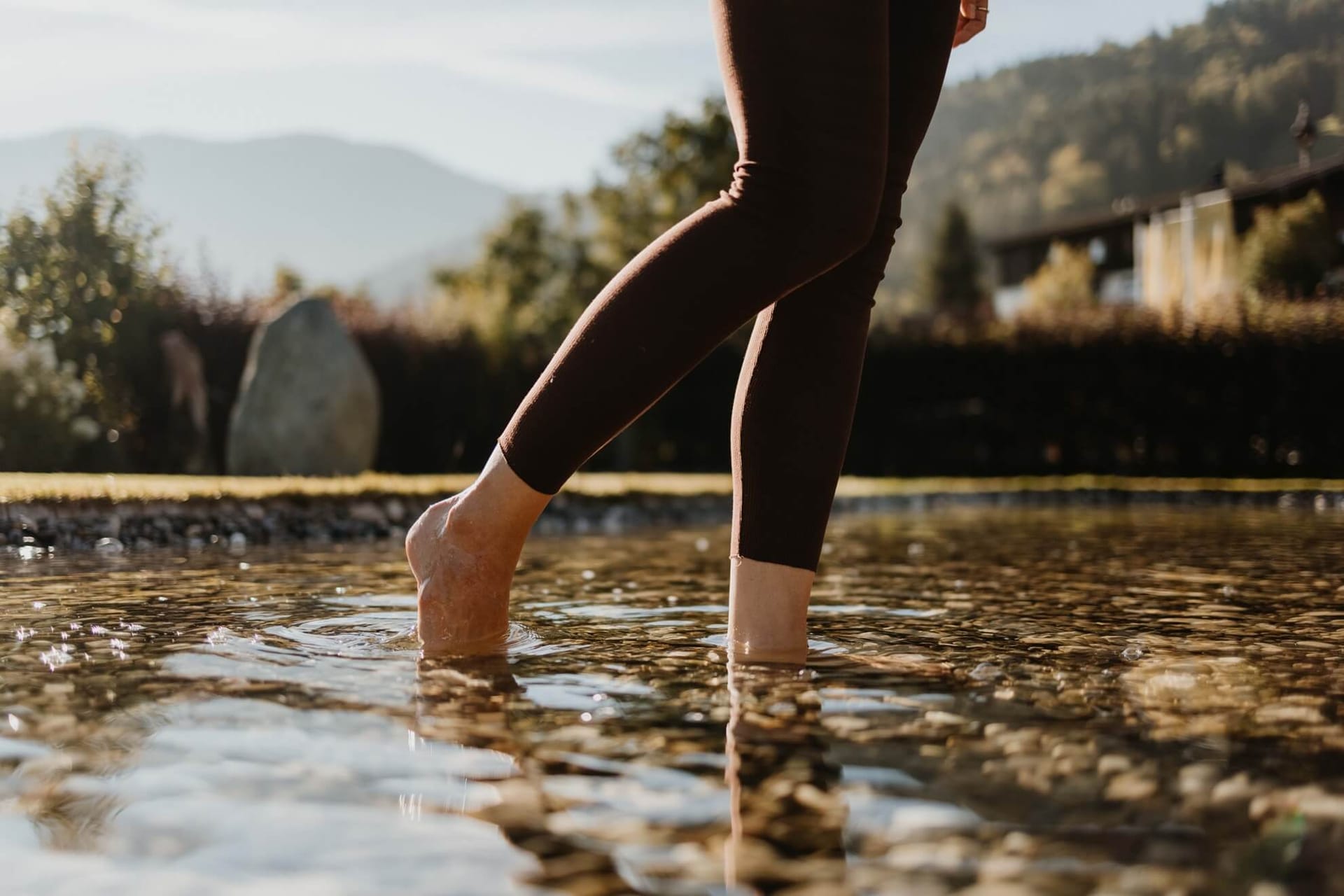
On the way to work or while taking a walk – the advantage of walking meditation is that it can be applied anywhere. Walk slowly and focus your awareness entirely on your steps and the associated mental processes. Through conscious regular movements, the body aligns with the mind and resolves burdensome energy blockages.
Osho meditation
If you want to become even more active and express your feelings, you can let loose in a dynamic Osho meditation:
Breathe deeply and quickly.
Release your pent-up feelings by screaming, crying, or laughing.
Jump and shout the mantra “Huh!”
Sit or lie still.
Move freely, as you wish.
And why all this? Quite simply: the movement is intended to allow your body and mind to unfold freely .
Chakra meditation
The chakras are our energy centers in the body. Their activation releases blockages and influences our state of consciousness. In this meditation, you focus on your breathing and send it one by one to all seven energy points. You can also imagine your breath as a point of light that wanders through your body. The focus is on the conscious guidance of your energy and the associated deep cleansing of your chakras.
Meditation techniques for advanced practitioners
Maybe you already have experience in meditation and would like to try something new and more challenging. Then there are, of course, options for you to further develop your spiritual abilities. Try one of the two meditation techniques we present here. Please note, however, that both techniques are very intense and require some level of prior knowledge.
Vipassana meditation
If you want to completely free yourself from mental impurities, Vipassana meditation is just right for you. It is intended to help practitioners overcome mental disturbances and leave all human suffering behind. Vipassana meditations are usually taught in 10-day retreats , during which participants are not allowed to leave the premises.
During the stay, practitioners adhere to certain rules: they do not read or write, do not drink alcohol, and speak only as necessary. Instead, the days are spent with rest and walking meditation . Vipassana meditations are quite demanding and require already developed spiritual knowledge to fully unfold their effect.
Tummo meditation
Those who long for a deeply felt experience in nature might enjoy the Tummo meditation. This technique is about generating warmth to increase one's body temperature without external aids. The body is brought into harmony with nature by igniting the inner fire that we all have within us but often do not use.
Through conscious visualizations and breathing techniques, the body should relearn to heat itself in low temperatures and defend itself. Negative sensations are transported from inside to outside and burned away. However, for this meditation technique, pronounced meditative skills and careful training are also necessary.
So you see: Meditation is by no means one-sided, but can be practiced in many different ways. As a beginner, it is advisable to explore the different meditation techniques to discover which style suits you best. But even as an advanced practitioner, you have opportunities to try new techniques and bring more variety. Have fun trying them out – you certainly won't regret it!