
3 great meditation exercises for falling asleep

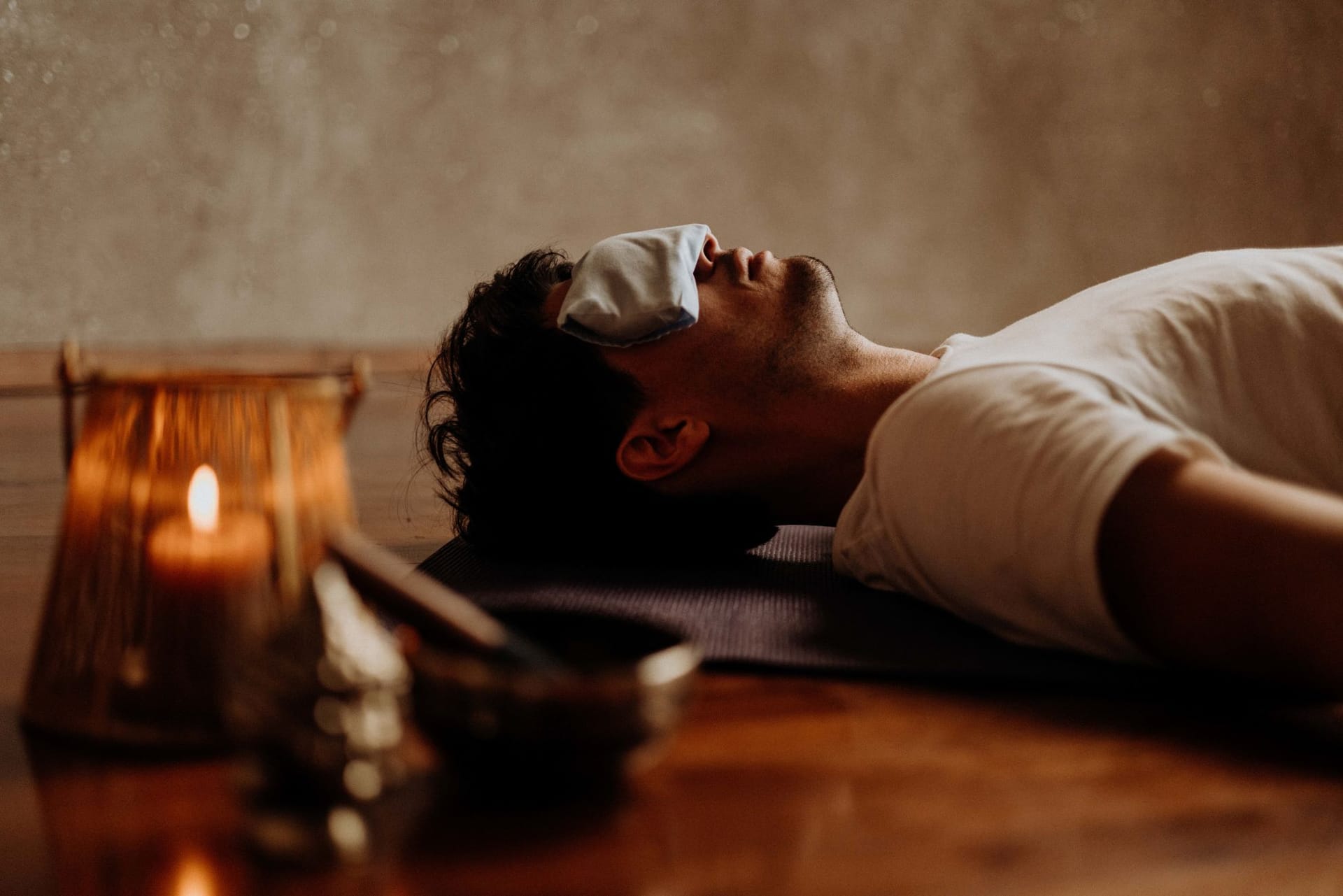
If your mind cannot relax enough in the evening, falling asleep becomes difficult. The many thoughts of the day develop into a small whirlwind in your head and give you no rest. However, there are wonderfully calming meditation exercises that can help you fall asleep. Here you can find out more.
Find natural peace with meditation
Problems falling asleep strain the nerves. Maybe you know it: while you can't just switch off your thoughts and at the same time you are tormented by worries about not getting enough sleep, it is simply incredibly difficult to relax properly. Under these circumstances, many people resort to sleeping pills to find their peace.
But you don't have to resort to medication to find harmony: instead, try meditation exercises. This way, you give your body in a natural way exactly what it needs to glide into sleep. A study from the University of Minnesota confirms the high effectiveness of meditation and mindfulness training. Eight weeks of this are therefore just as helpful for insomnia as swallowing sleeping pills for eight weeks!
So you see: you already have the ability to improve your sleep quality within you - you just need to activate it.
What monkeys have to do with falling asleep
Yoga aptly compares our mind to a little monkey, jumping loudly from tree to tree. A funny image - but at some point, we should let our monkey calm down a bit because otherwise, it will drive us insane. However, while we try to move away from our inner circus of monkeys, we only give the thoughts more energy. The solution: distract the monkey!
3 great meditation exercises for falling asleep
The most important thing about these meditation exercises is that you shift your focus to something other than falling asleep. How exactly you accomplish this is shown in the following meditation exercises for falling asleep:
Exercise 1: Finding a meditation object+
Find a meditation object, like your breathing, and focus on it.
Instead of engaging with hundreds of thoughts when falling asleep, try to find a meditation object that you can fully immerse yourself in:
Feel your breath, the airflow at your nostrils, or the rise and fall of your abdomen. Count your breaths up to 10, then start again.
This would be a first, helpful meditation exercise. It may sound simple at first, but it requires a high degree of concentration – precisely in the right place to deprive the sleep-depriving thoughts of energy – and to tame your inner monkey.
Exercise 2: Watching an inner movie+
Another method is this – allow yourself at least 10 minutes for it:
Sit upright but comfortably in your bed.
Let the events of the day pass in review from back to front. Starting from this moment, to your way to bed, and so on.
You don't have to be detailed, just recall the moments that come to mind naturally. Experience them once more.
It's important to observe from outside: see your day in front of you, as if someone else experienced it and you were just an uninvolved observer. So if you experienced an affront that day, then distance yourself from it now. It's your figure you see in the past, but it no longer exists now. You are here now, apart from all that.
Now you can just sit quietly and experience who you really are – apart from the experiences of this day – just yourself.
You can fall asleep peacefully doing this.
Initially, this meditation technique can be a bit difficult, but over time it can serve as a energy-giving relaxation technique . Backward thinking relieves tension in the head, and the detachment from daily events shows you who you truly are. There's therefore no reason against the needed relaxation for sleep.
Exercise 3: A mantra for mindfulness+
A mantra can be very helpful for proper relaxation.
For many, it is easier to relax with a mantra. Visualize the word "calm" as you inhale mentally, and upon exhaling, "relaxation." Repeat it for at least 10 minutes in relaxed silence.
Even if your little monkey occasionally interrupts and throws in other thoughts, don't blame it – briefly acknowledge the thought, greet it kindly, and then say goodbye to it right away. Then you can refocus your attention on your mantra: calm, relaxation, calm, relaxation …
If other terms appeal to you more, you can of course use other words just as well. The key is to completely relax!
Meditation for falling asleep: A final tip
The balance of body elements is also a central component of European Ayurveda®. Illnesses and disorders, such as sleep problems, are always symptoms of an imbalance within us. By giving our bodies, minds, and souls balance, we can specifically find new regeneration, energy, and joy. Bring a bit of Ayurveda as a great sleep cure into your life!
Meditation exercises can help you relax your mind naturally. Whether you place a meditation object before your thoughts, mentally relive your day backward as an outsider, or adopt a calming mantra, it's entirely up to you. Distance yourself from problems and worries with meditation: we wish you a restful sleep!
Insights
How meditation music can support meditation
Meditating is often thought to require absolute silence. Meditating without music seems to be the only option - but in fact, music can play a significant role during meditation. Here you can learn why this is the case and what type of meditation music suits Kundalini meditation and more.
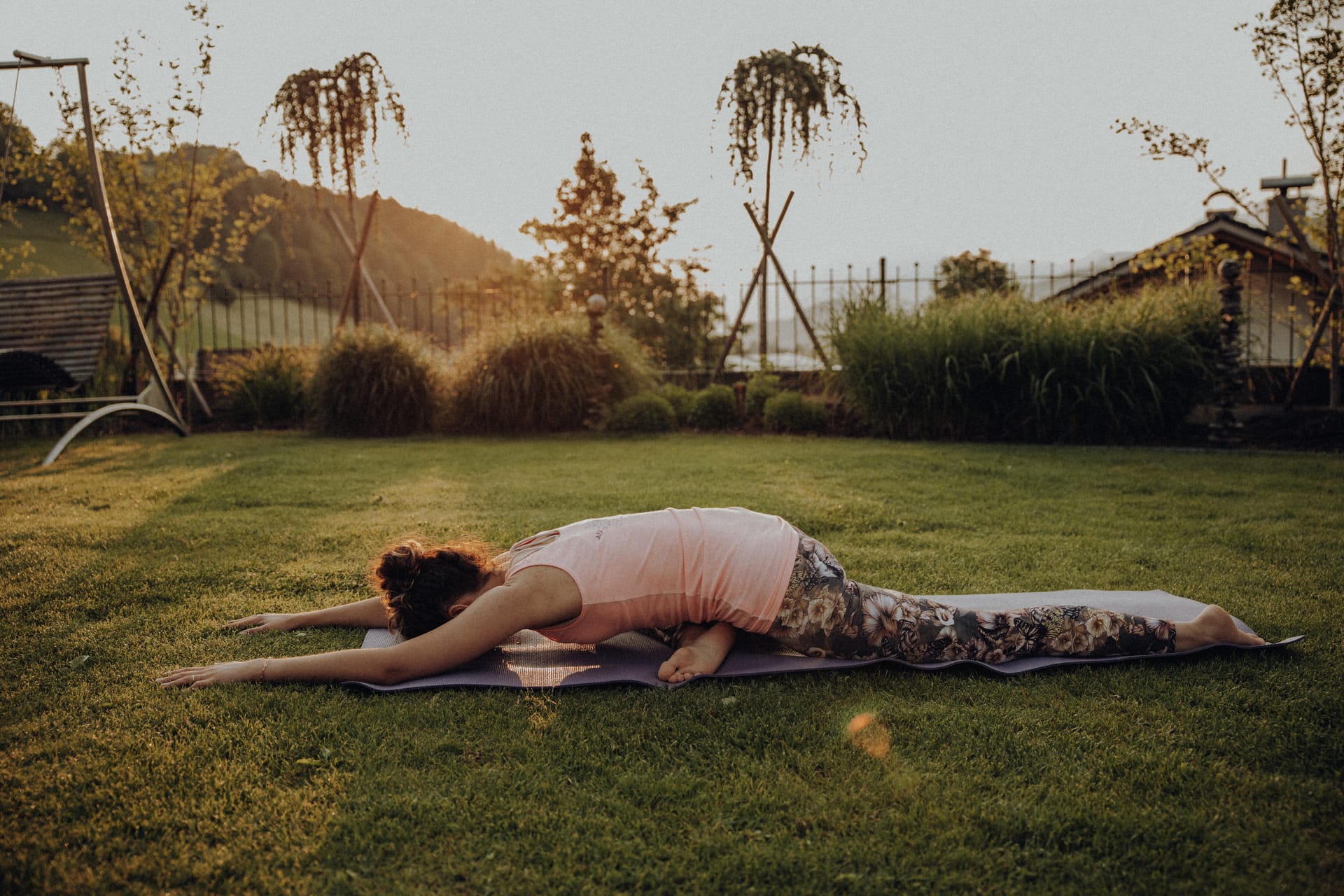
Yoga for relaxation
Yoga for relaxation is a gentle practice designed to reduce stress and calm both body and mind. It is especially suitable at the end of a hectic day or as part of a regular relaxation routine to support physical and emotional well-being.

Mindfulness
Mindfulness is a natural human ability that we possess and can strengthen through exercises. Practicing mindfulness means being present, awake, and consciously in contact with the current experience, moment by moment, with a non-judgmental, open, and accepting attitude.