
Instructions for walking meditation in nature

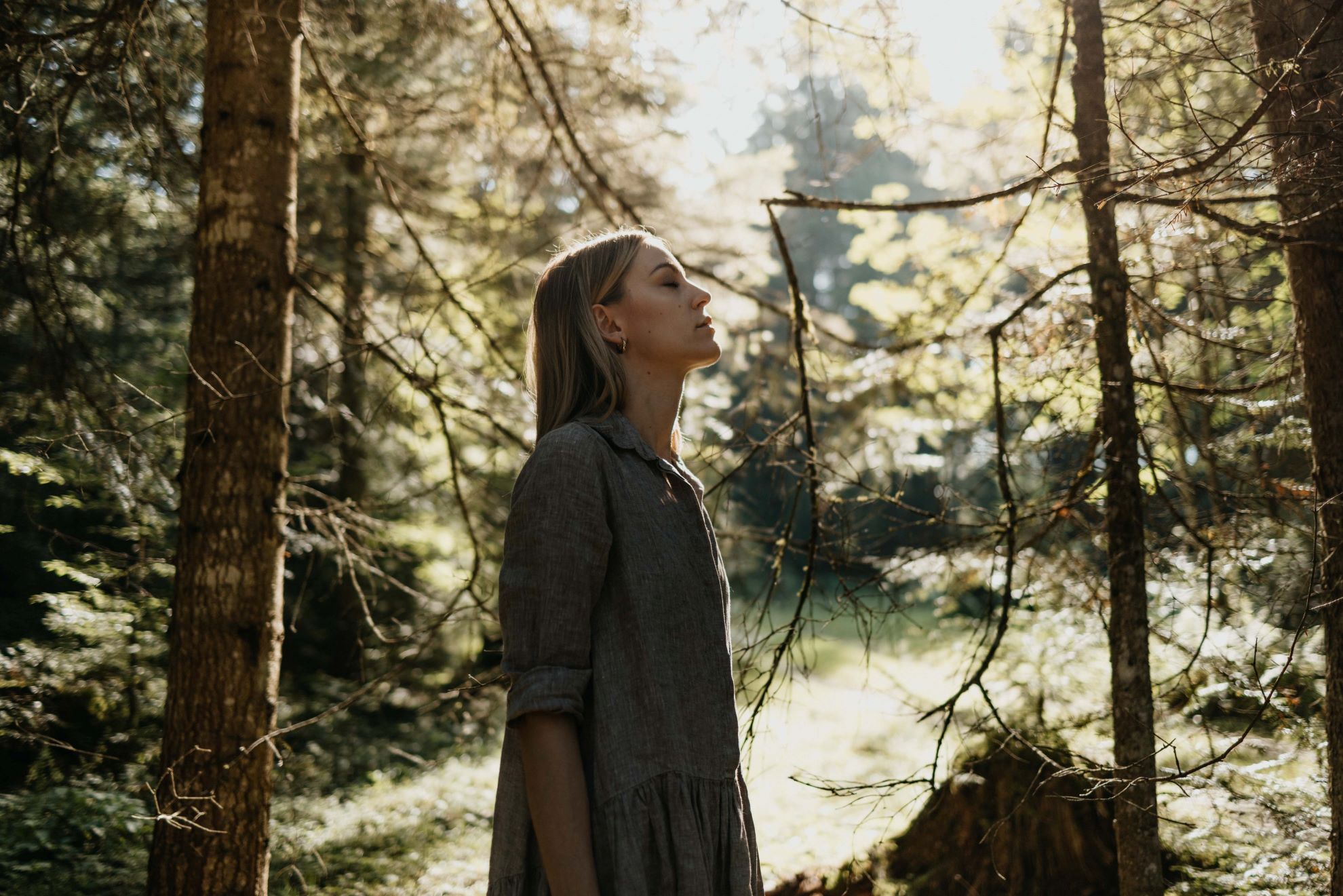
Walking meditation is a form of conscious breathing combined with soulful, calm movements.
Preparation:
You can do this meditation anywhere in nature. It is important that you are undisturbed and not distracted by noise or other people. Maybe you know a beautiful forest path, or you walk along a stream or lake. If you have a large garden, you can also meditate there. Of course, you can also practice in a room, but make sure you can move freely.
Duration:
Take at least half an hour for the walking meditation, an hour would be even better, especially the first time it is better to plan more time. If you have already practiced walking meditation frequently, you will see that a duration of 15 minutes is also sufficient to completely relax.
If you perform the walking meditation during the day, it is like a short vacation for body and soul.In this way, you clear your head and can start the second half of the day relaxed and with fresh energy. Walking meditation can be practiced very well, for example, between work and housework or after an important meeting.
Of course, you can also perform this meditation technique in the evening.Then it helps you to switch off and leave the day's events behind, and nothing stands in the way of a restful night's sleep.
You are welcome to do the walk barefoot , but it is important that you feel comfortable. Comfortable shoes are definitely recommended!
If you are ready to start walking meditation, you can first do a small grounding exercise :
Stand with both feet firmly on the ground, take a relaxed posture and let your hands hang beside your body. The knees are not fully extended and are loose. Sway slightly to the left, right, forward, and backward until you find your stable center of gravity. Then close your eyes and imagine inhaling through your head, the breath then flowing through your body and exhaling through your feet into the ground. Do this exercise for a few minutes and feel how you are rooted to the earth.
Instructions for walking meditation:
Feel the ground beneath your feet and take a deep breath. Focus entirely on your breathing and the sensation in your feet. Slightly lower your head so that you can perceive a small area of sight around your feet with half-open eyes.
Then shift the weight of your body from the right foot to the left foot, so that almost the entire weight rests on the left foot. Slowly lift your right foot. Start with the heel, then follow with the sole of your foot and finally the toes. Mindfully set the foot back down, starting again with the heel. Make smooth, flowing movements.
Then shift your weight to the right foot and repeat the process by slowly moving your left foot forward. While moving, be aware of every small change in your body.When lifting the foot, notice how the muscles tighten, when setting it down, feel the temperature and the unevenness of the ground on your feet, and during the weight shift, feel how your whole body works to maintain balance.
Breathe slowly and evenly and include your senses. Enjoy the surroundings during meditation. What can you see, hear, or smell here? Listen to the sounds of nature and inhale the fresh air into your lungs. Be aware of your body posture and check in between to see if your thoughts are still with your feet. If not, focus your attention again on your feet and breathing so that your mind does not wander.
You can also vary the pace in between, just see what feels comfortable for you. It is recommended to walk at a moderate pace and enjoy the slowness. Be grateful that you can walk and enjoy the calm that sets in while walking. Try to fully enjoy the present moment and let go of everything you don't need right now. Feel like the happiest person in the world, enjoy that you can walk, and smile.
After a certain time, stop again. You can close your eyes and straighten your head. Feel how your feet feel now and observe your breathing. Finally, take a deep breath and then open your eyes.
Once you master the meditation properly, you can even access it in busy places without any problems. Use waiting times to meditate. When you have to wait for something or someone next time, you can use the time to meditate without others noticing. For example, you can walk back and forth at the train station, inhaling for three steps, holding your breath for three steps, exhaling for three steps, holding your breath for three steps. In this way, you can use every little waiting time to recharge with fresh energy.
Insights
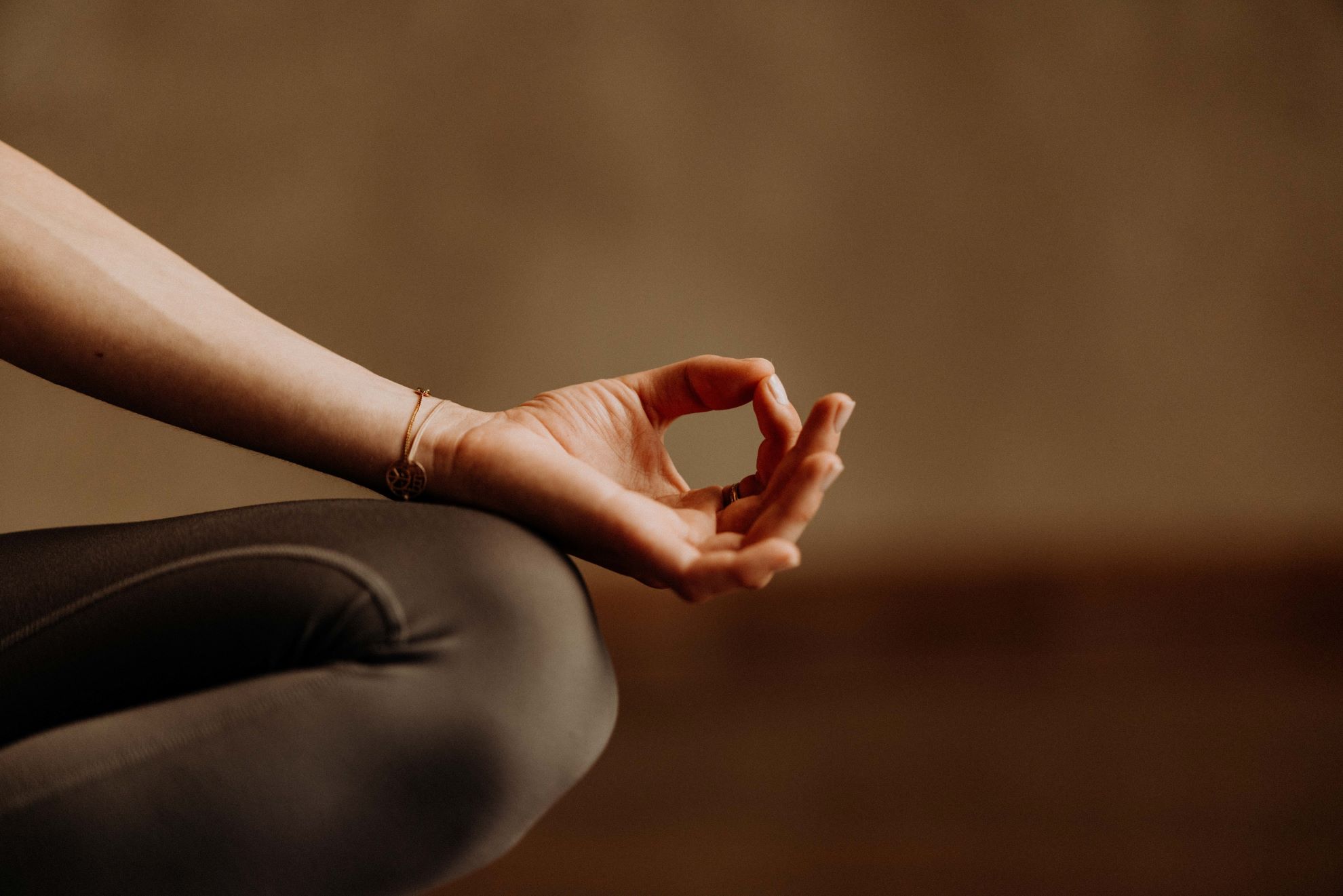
6 popular meditation exercises for beginners
Meditation has long been a proven method in Ayurveda to live more calmly and consciously. The beauty of it is that no special knowledge is required, as anyone can learn to meditate! Here we show you a few simple meditation exercises that you can try as a meditation beginner. Just give it a try, and there's sure to be something suitable for you!
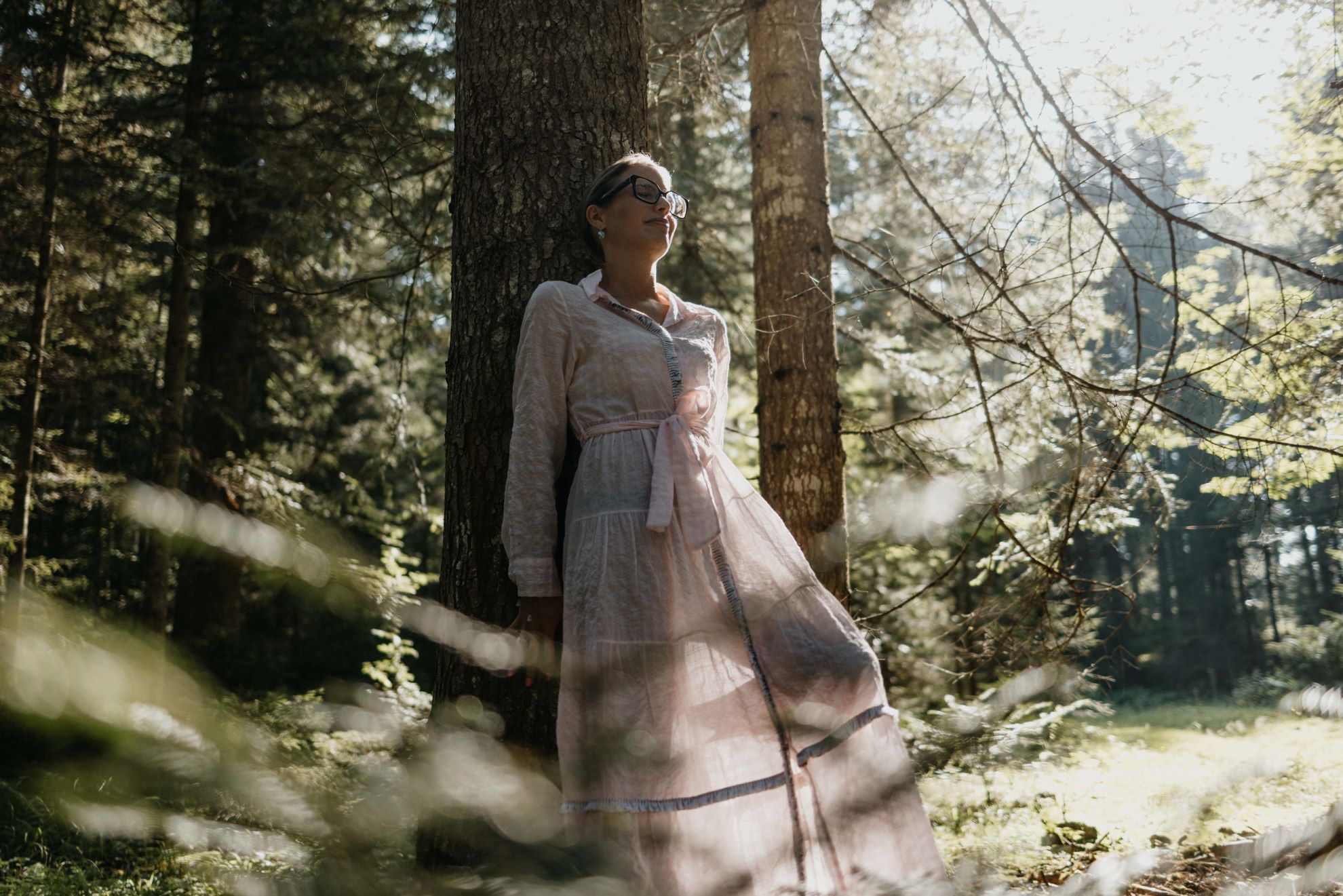
Tree Meditation: Meditation for Developing
Take about 30-40 minutes for our tree meditation. Go out into nature or your own garden on a beautiful summer day. Maybe there's a tree near you that strongly attracts you and where you can be completely yourself.
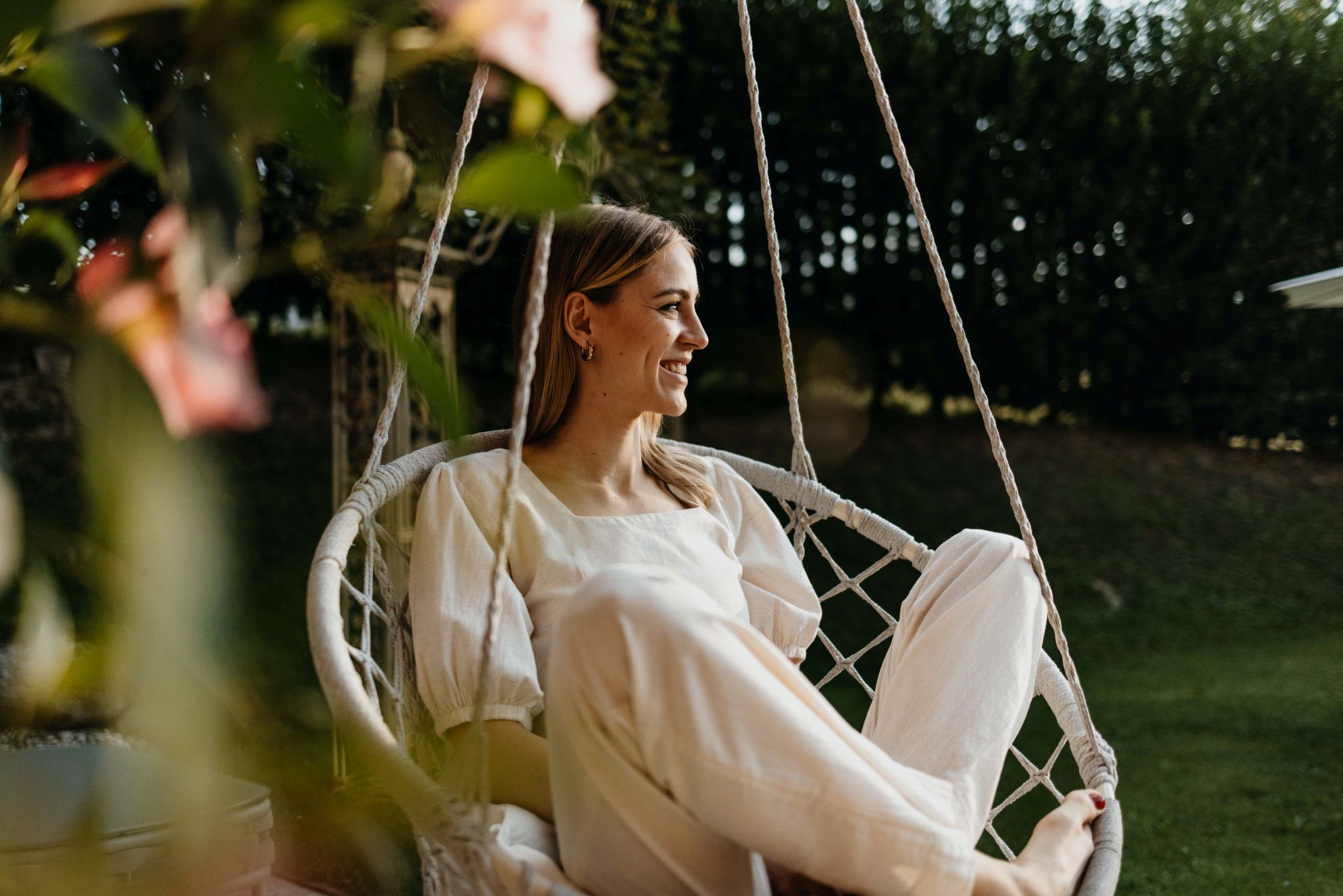
Mindfulness
Mindfulness is a natural human ability that we possess and can strengthen through exercises. Practicing mindfulness means being present, awake, and consciously in contact with the current experience, moment by moment, with a non-judgmental, open, and accepting attitude.