
Learn Meditation: Our Detailed Beginner's Guide

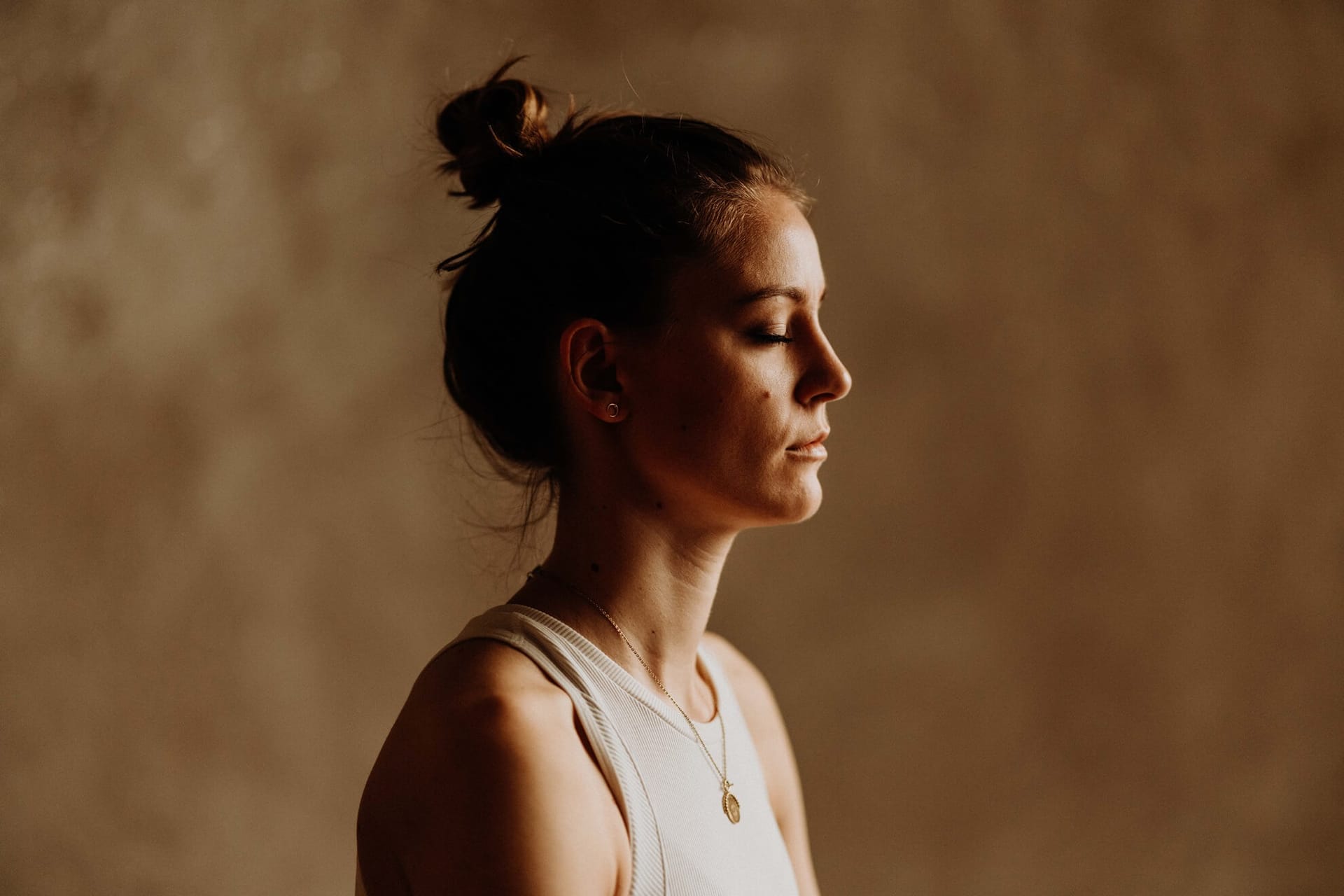
Contemplating and discovering inner worlds is probably almost as old as humanity. It's about finding the inner nature of things and thus unity with oneself and the surroundings. Since no master fell from the sky, and certainly no meditation master, anyone can learn meditation. With some willpower and perseverance, you can make your meditation practice a routine and find balance with your inner self and your environment.
What does it mean to meditate?
The Western term "meditation" is derived from Latin meditārī (meaning 'to think about something, ponder, prepare for something'). Similar practices were developed independently in various cultures. For example, there are old European-Christian as well as Far Eastern meditation techniques.
Meditation is a state beyond thinking.
(Osho (142008). The Orange Book: Osho Meditations for the 21st Century. Cologne: Innenwelten Verlag.)
Essentially, every form of meditation is about finding calm, shedding excess burden, and discovering what lies beneath. Ideally, one discovers the connection to oneself and the environment and the realization that everything forms unity. Particularly rushing from one appointment to the next and today's information overloads can represent such burdens.
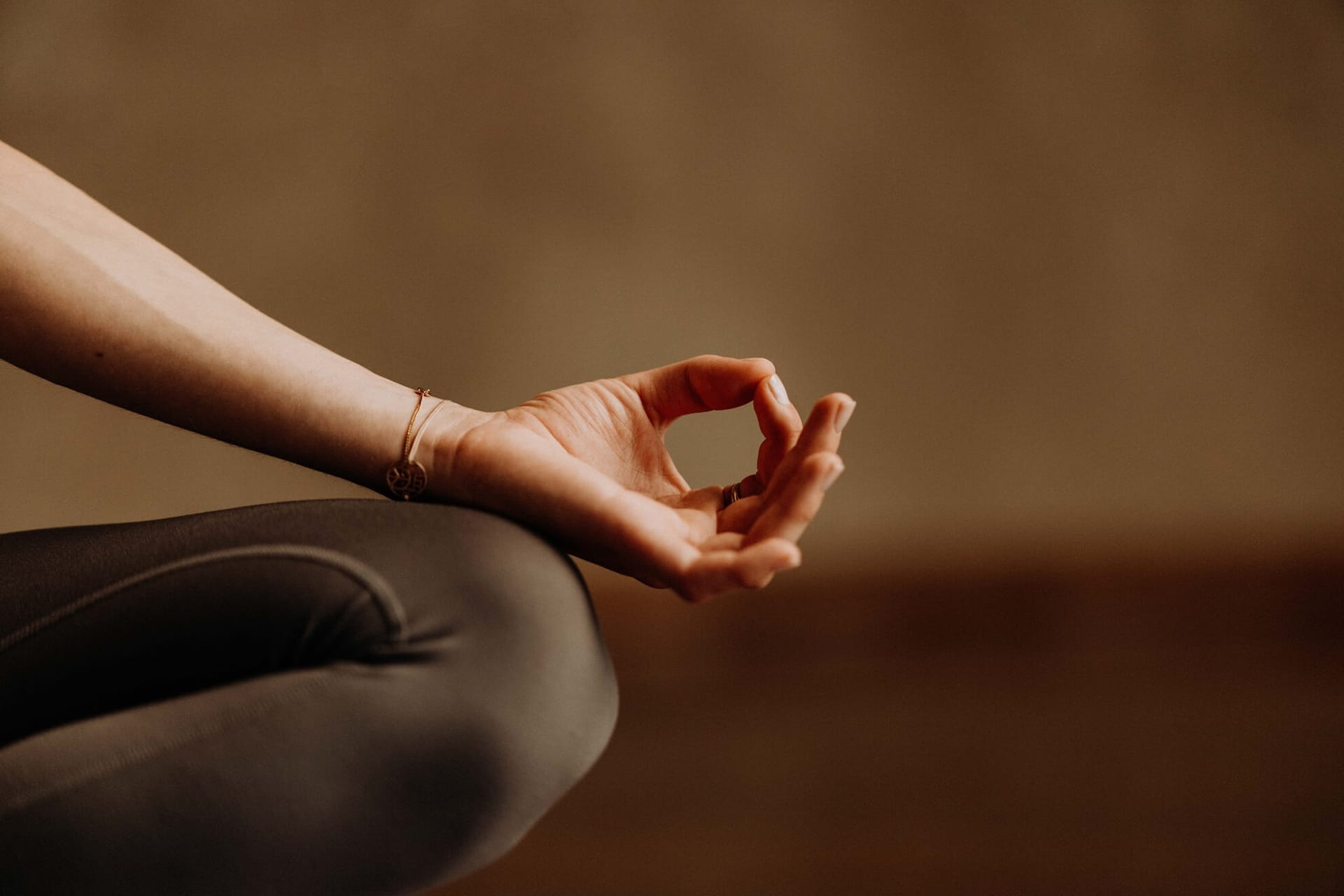
Your first meditation exercise
Meditating is really quite simple; you just mustn't expect too much.
Find a place that seems suitable for you to reach calmness. It should be clean and tidy, with no distracting noises, neither too cold nor too warm, and generally have a pleasant atmosphere.
Take a cushion, a blanket, a seat cushion, or simply a chair and make yourself comfortable. Your legs should not fall asleep, nothing should hurt, the spine should be straight, and the head should strive upwards. Don't tense up and find a relaxed position, in which you can imagine being able to stay for several minutes. .
Set an alarm for 10 minutes. You can also start with 5 minutes at the beginning. It doesn't matter. Meditation has nothing to do with force or pressure to succeed. Whatever you achieve is good. What you don't achieve is also good.
Now breathe deeply into your abdominal area. Just observe the breath and how it flows through your body. Do you feel it at the nostrils or on the lips?
If thoughts come, just let them pass by. Imagine you are thinking about an uninteresting TV program you don't want to watch anyway and just switch to the next. The only TV program that interests you now is your breath.
Finding and learning the right meditation
As already mentioned, over time various meditation techniques have developed, which take different paths to calm and unity. We would like to briefly describe some of them to you because once you get an initial idea, choosing your favorite technique becomes easier later on.
Meditations focusing on silence, mindfulness, and insight
This branch of meditation is the one most familiar. It is generally about first shedding excess burden by consciously eliminating stimuli. Thoughts are let go of and thus the mind and body are 'slimmed down' from all movements that could burden them. Buddhist meditation traditions
Meditation and mindfulness practice are central in Buddhism.+
Vipassana , for example, means" insight" into things as theytruly are , and the corresponding meditation attempts to find this in various ways.KnownZen meditation also belongs to Buddhism and leads – simply put – to the experience of absolute silence. ..
Christian meditation techniques+
Who would have thought? Even the Western, Christian tradition practiced meditation.In the Middle Ages, there were, for example, the 4 pillars of lectio (mindful reading), meditatio (object-free contemplation), oratio (prayer), and contemplatio (object contemplation). Today, for example, there is still the heart prayer, which practically also relies on a mantra and regulation of breathing..
Hindu or Vedic tradition+
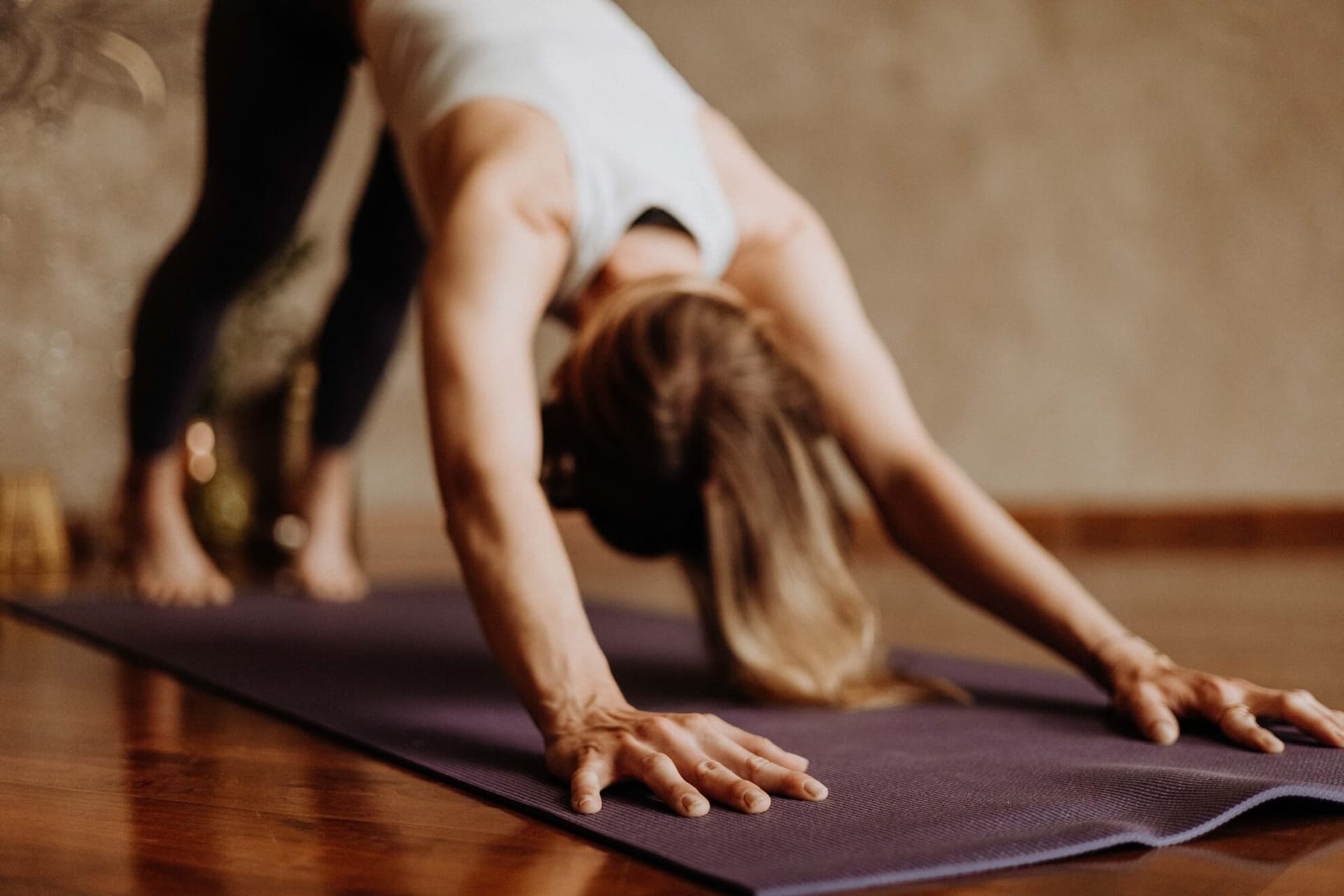
We owe the various directions of yoga . Some of these directions we know from yoga classes, where different asanas (body postures) are used to strengthen, cleanse, and connect the body with the mind. Other yoga components, such as Dhyana or Jnana yoga, are more oriented towards mental exercise ..
Active or dynamic meditation
Interestingly, meditation does not only involve sitting still. Unity with the body and the surroundings and simultaneous detachment from the 'self' can also be achieved through moving exercises .
For example, in Qi Gong. This practice is one of the 5 pillars of traditional Chinese medicine and consists of various, mostly flowing movements, which stimulate the so-called energy gates and meridians so that the body's energy qi is no longer blocked.
Laughter meditation according to Osho
When you wake up in the morning, stretch every single fiber of your body, for about three or four minutes. Keep your eyes closed and when a few minutes have passed, begin to laugh.At first, you may have to force yourself to laugh and find it absurd, but that's exactly how it is. Laugh at the absurdity of the situation.
First thing in the morning, one should laugh because it sets the tone for the course and mood of the entire day.
(Osho (142008). The Orange Book: Osho Meditations for the 21st Century. Cologne: Innenwelten Verlag.)
The eyes remain closed at all times. Lose yourself completely in laughter. Laugh at yourself, at everything that seems ridiculous in life. Let your worries and frustrations appear ridiculous. At some point, you might reach a point where you are, so to speak, observing yourself laughing.
After a few days, this laughter will become quite natural and you can start the day with a whole new feeling.
In conclusion
Meditation is much more versatile than one might think, and yet most techniques have the same effect: Casting off the useless heaviness of everyday life and creating clarity and unity about the things that are essential. Especially for beginners, it seems important to know that it never has anything to do with force or success , because that only creates additional burdens.
However you do it: We wish you a lot of pleasure with your found inner center and your balance.