
Pranayama: How to achieve the correct abdominal breathing best

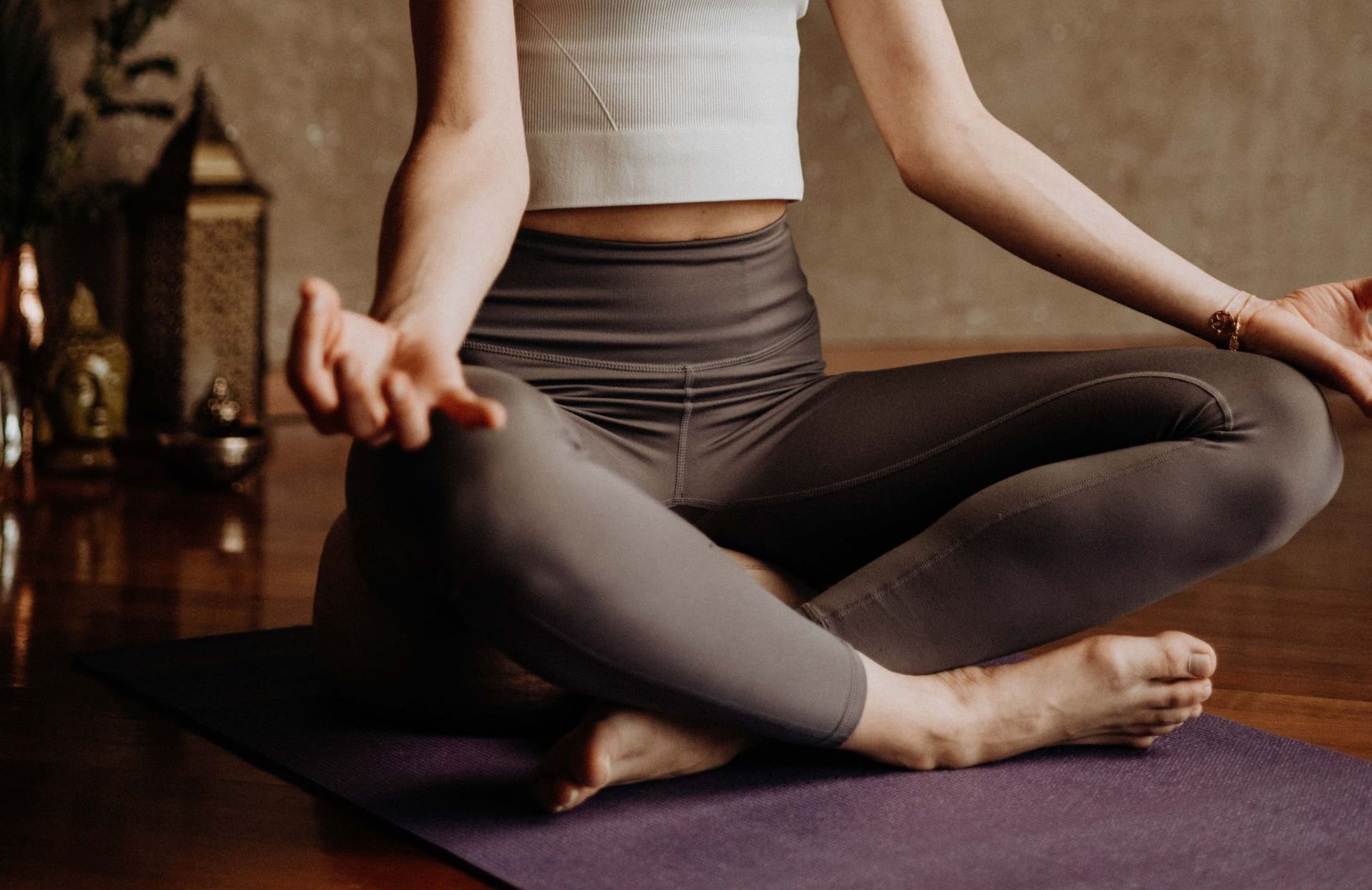
Pranayama – this refers to the unification of body and mind through breathing exercises. Abdominal breathing is crucial for the success of many yoga exercises. From conscious breathing, you can draw a healing power. How you too can experience the beneficial effects of Pranayama, you can find out here.
Healing through relaxation: the right breathing makes it possible
Breathing might not sound like something you need to practice. Our nervous system takes care of this process automatically anyway – this may be true – but in doing so, we somewhat lose sight of this important function of our body. When was the last time you consciously breathed? Many people find this difficult.
However, you can consciously influence your well-being through your breathing . A constricting chest breathing results from tense situations: stress, an exam, errands. Whatever mentally challenges you – by consciously controlling your breathing, you can transform negative feelings into positive ones!
To prevent incorrect breathing from becoming the norm, you can train a relaxed, easy abdominal breathing. This way, you also have better control over stressful situations. So stimulate your Prana – but what exactly is that again? Prana is also referred to as air, oxygen, or energy – basically, it stands for the life essence that makes all movements, every thought, and life itself possible. This is how you find strength & harmony.
Pranayama: the effect on the body
A relaxed breathing looks something like this inside you:
The diaphragm contracts.
It pushes your abdominal organs and the abdominal wall forward.
This allows the air to flow optimally through the trachea.
By pushing the abdominal organs against the diaphragm, it can relax. It sinks far back into the chest cavity. That's when the release of air from the lungs without barrierssucceeds. This is how you achieve liberated breathing.
Beginners: how to perform abdominal breathing correctly
How you can now train this process, we show you in this beginner exercise:
Position yourself in an upright posture. Keep your back and head as straight as possible, your shoulders hanging down loosely. Alternatively, you can also lie down on the floor with your back and place your hands and arms at your sides.
Close your eyes and place one hand on your abdomen. Your middle finger should be on the navel, the other hand should be placed on the sternum.
Now try to breathe very consciously and slowly into the abdomen. Your abdominal wall should move. Initially, you may only see this in the upper or middle abdominal area, but that will change over time. Your sternum remains largely unmoved.
Breathe gently and mindfully. Aim for deeper and slower abdominal breathing. Relax more and more. So don't force air into the abdomen, but stay relaxed.
When you inhale and exhale is up to you. Just follow your feeling.
Ideally, a deep calm comes over you. Then your abdomen should move gently and completely from the solar plexus to your genitals.
Do this exercise for 10 to 20 minutes.

Advanced: how to perform an advanced Pranayama
If the beginner exercise seems not challenging enough, you can level up by trying the following advanced Pranayama exercise :
The starting position is again straight, whether sitting or lying down.
Release your shoulders and all muscles that are not needed actively.
Now focus again on your abdominal wall and breathe. Ever deeper and more relaxed.
Now rely on your imagination – with each inhalation, imagine how you take in new strength and energy . When exhaling, send love and light.
A help is the mental imagination. Call the words clearly to mind so that they are clearly visible to you. Inhale: Strength & Energy. Exhale: Light & Love. Do this for about 10 breaths, and longer if it feels good.
Here comes the slight pressure breathing into play. This helps with tension in the abdomen: gently press the air into your abdomen – your abdominal wall bulges strongly outward. As soon as you inhale, you have a very rounded stomach.
When exhaling, the abdominal wall pulls back inward.
Through this exercise, you can fundamentally relax your abdomen.
Then you continue directly with the gentle abdominal breathing – now no longer moving your abdominal wall consciously.
Ideally, take the time 1-2 times daily for 10-15 minutes to internalize these abdominal breathing techniques concentrated. You will see how you can find more strength, vitality, but above all also relaxation through Pranayama!
The great added value of Pranayama lies in the sustainable well-beingyou can experience. Through Pranayama, you enjoy not only short-term relaxation but also longer-term liberation. Over time, you will just breathe into the abdomen automatically – it's all a form of practice and habit. Through relaxed abdominal breathing, you achieve healing and positivity naturally!