
Ayurveda Massage: the Abhyanga Massage

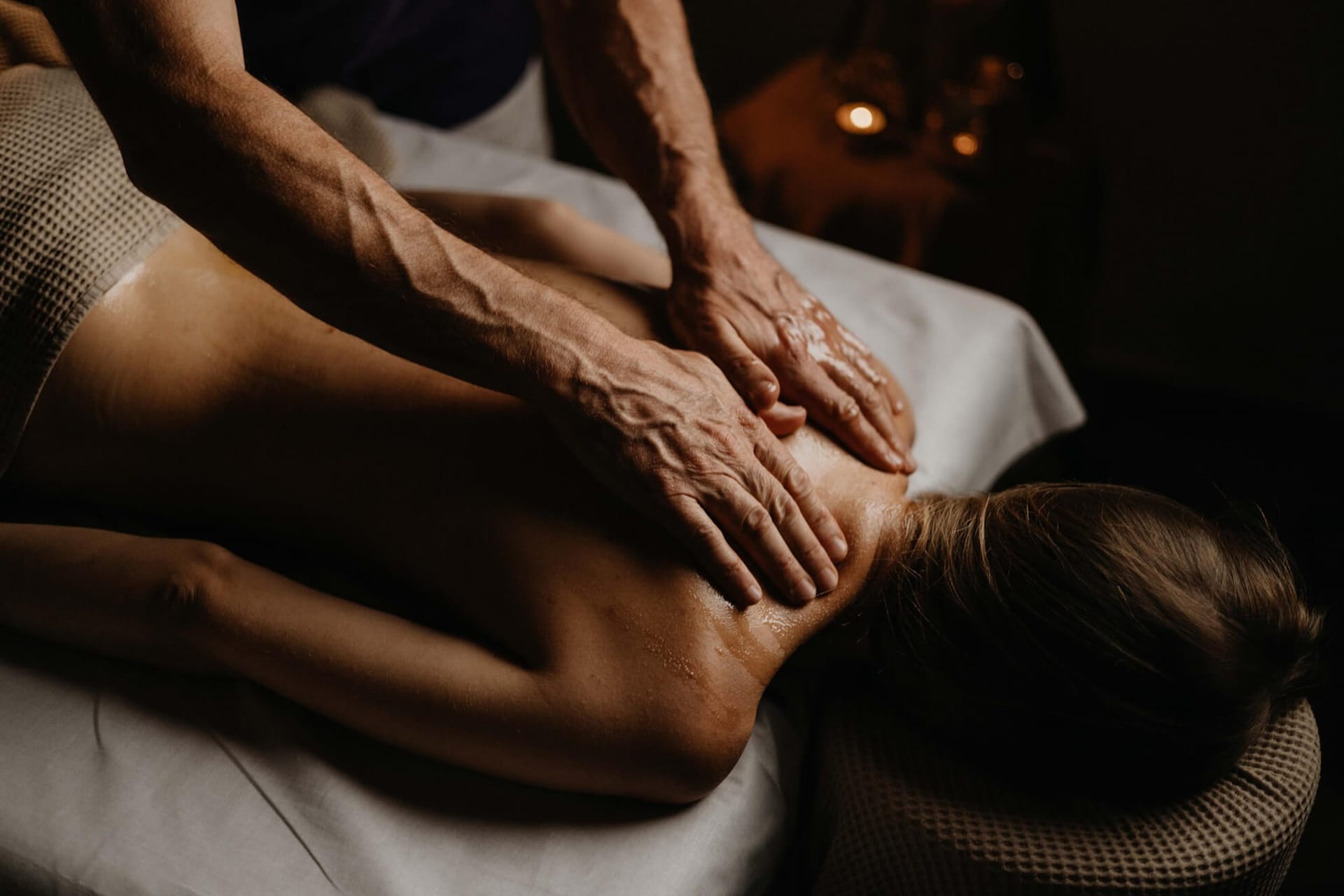
In addition to nutrition and yoga, massages are also part of ayurvedic health teachings. The Abhyanga massage is one of the most beneficial and effective treatment forms. Translated from ancient Indian, Abhyanga means "great oiling with loving hands."
Abhyanga - the great oiling
The Abhyanga massage combines several techniques that serve deep relaxation and revitalization of the body. The high-quality oils not only penetrate deep into the skin but are also valuable for healthy skin.
In Europe, you can get the Ayurveda massage at various facilities. In Ayurveda therapies like Panchakarma the Abhyanga massage is a key component.
Abhyanga tradition and the history of Ayurveda massage
In the Rigveda, one of the most important scriptures of Hinduism, the following words point to an intense effect of the Abhyanga massage.
My hand is God. Boundlessly blissful is my hand. This hand preserves all secrets, which it makes whole with its gentle touch.
A distinction is made between internal oiling "Abhyantara" and external oiling "Bhahya Snehana" . Additionally, Abhyanga is divided into a pressure massage "Mardana" and a light, gentle massage "Smvahana."
Abhyanga as a morning ritual
European Ayurveda® helps you rejuvenate mind and body. In the classical morning routine, various rituals are carried out to promote your health and your mental and spiritual development.
The following points are part of an ayurvedic morning routine:
Getting up before sunrise
The Abhyanga massage (2–3x weekly)
Drinking a glass of water on an empty stomach
Oiling the body and oil pulling
The effect of the massage
The Abhyanga full body massage relaxes, has a rejuvenating effect, and strengthens the immune system. Anyone who enjoys an Abhyanga massage immediately feels how intense this oil massage is.
In the classical Abhyanga, two stroke directions are applied. One is "Anuloma," with the direction of hair growth. This has a calming and balancing effect. The second variant is "Pratiloma," against the direction of hair growth. This has a stimulating and invigorating effect.
Which stroke direction is used in your Abhyanga massage is decided by each Ayurveda therapist individually. The oils for your treatment are chosen according to the indication by the therapist.
For the body, more heating oils are used. For the face, however, cooling oils are preferred. In general, only cooling oils are used for the face and head to prevent heat from accumulating in the head.
Advantages and disadvantages of the Abhyanga massage
There are some classic indications that speak for an Ayurveda massage, as well as some contraindications that speak against it.
Here are some classic indications for Abhyanga:
In case of Dosha imbalance, especially of Vata (the principle of movement)
People who engage in intensive physical exercises daily, such as athletes
With a lot of mental work
In geriatrics, as Rasayana (rejuvenating agent)
To promote the regeneration of tissues and organs
To reduce stress
And some classic contraindications:
Cold with severe congestion
Immediately after a purging treatment, such as the Panchakarma cure (Ayurvedic cleansing cure)
Acute fever
When food is not fully digested
Weakness, severe fatigue
Strongly blocked Shrotas (body channels) caused by Ama (undigested substances)
The specific types of oil and their modes of action
The specific types of oil used in the Abhyanga massage are very time- and material-intensive. The production can sometimes take days.
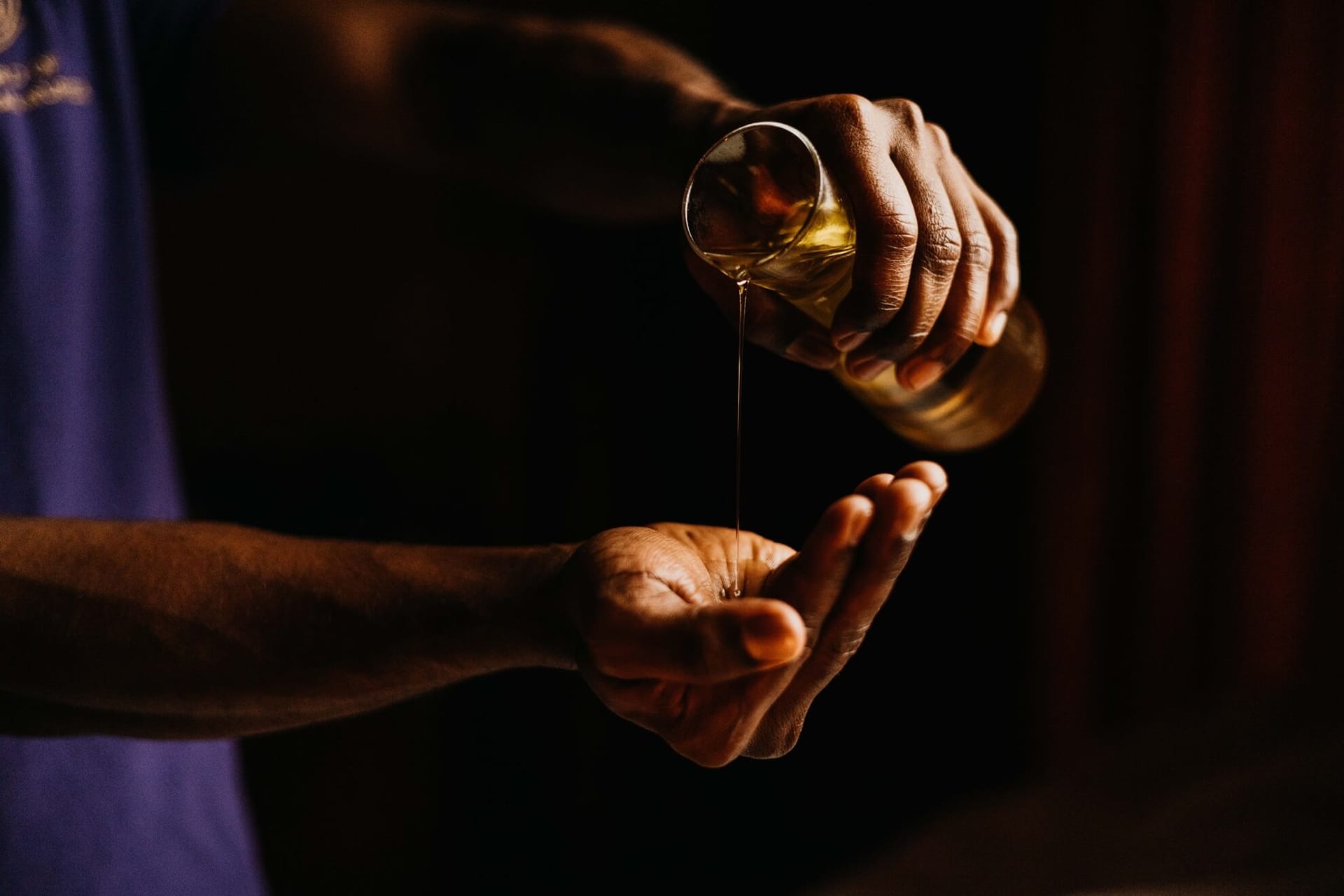
However, the high quality of the oils is essential, as they otherwise have no therapeutic benefit. The oils, which are specifically tailored to the guest, make up to 70 percent of the treatment. The therapist constitutes only about 30 percent.
The following points are important before the actual massage:
Are you allergic to anything?
Have you had surgery in the past six months?
Are you pregnant?
Are you currently menstruating?
These questions help therapists tailor the massage, the oil, the pressure, and the rhythm as well as the duration and aftercare precisely to you. The therapist should also inform about possible reactions.
To maintain the regained balance, the following points are important after the massage:
do not walk barefoot
protect yourself from drafts and wind
cover your head
avoid heavy meals and extreme activities
drink hot ginger water
Insights
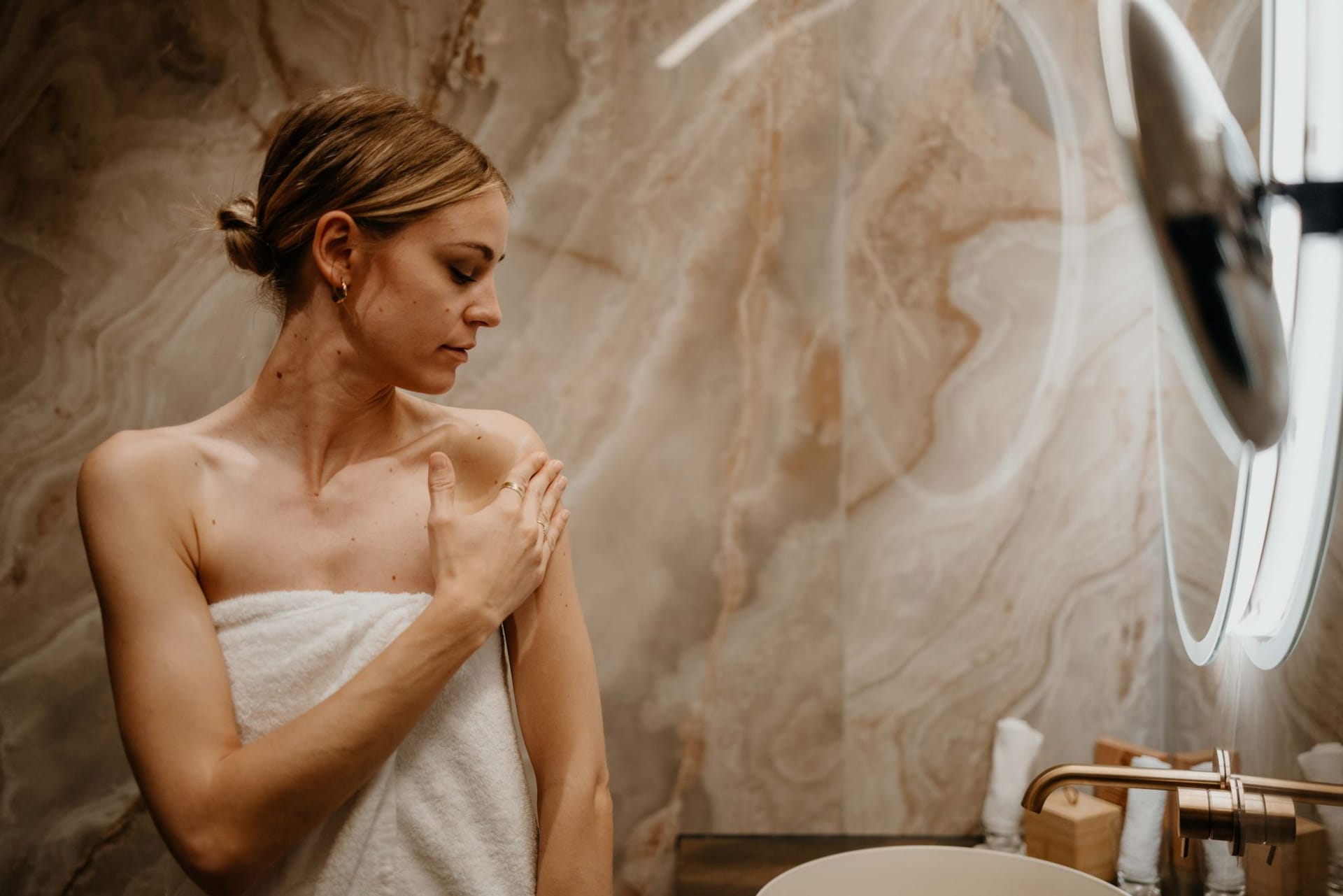
European Ayurveda® Massage: Abhyanga Self-Massage
It is one of the most soothing treatments in European Ayurveda®: The Abhyanga massage uses gentle touches to put you in a state of deep relaxation. Healing oil frees your skin from toxins and ensures a radiant complexion. Treat yourself by regularly nurturing and massaging yourself with high-quality oils at home. Taking a break, consciously turning your attention inward, and bringing your body and soul into harmony: This is what the self-care ritual of an Abhyanga self-massage achieves. This traditional massage technique is deeply rooted in Ayurvedic and Indian healing arts.
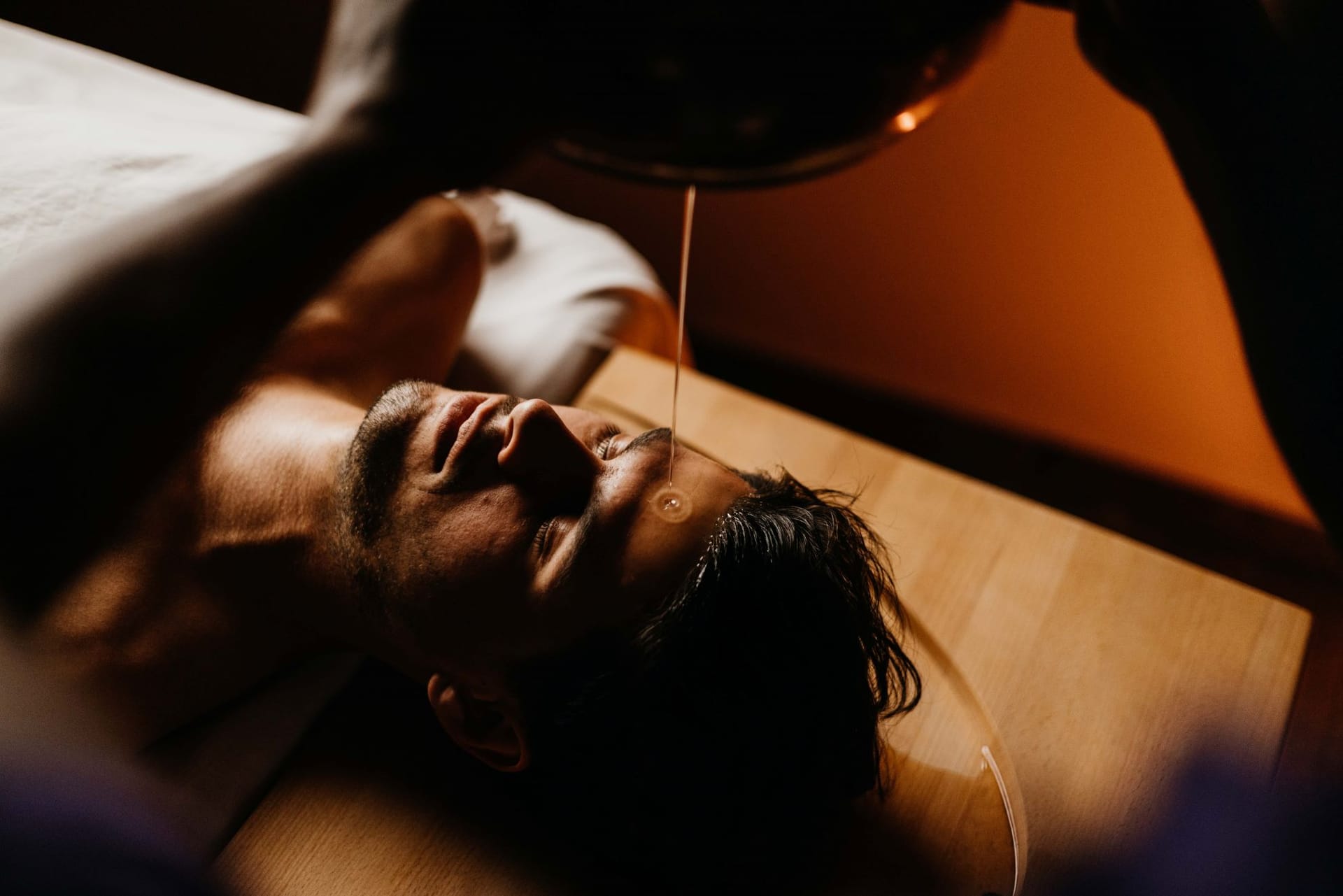
Ayurveda Massages: Overview of All Approaches
Ayurveda massages have a positive effect on health and are therefore primarily used for medical applications. Incidentally, there is also a feel-good effect. Depending on individual customization, an Ayurveda massage can be relaxing, invigorating, or strengthening – or all of these combined. Through treatment appropriate to the type, Ayurveda massages are good for a healthy body and mind. Here are all the important types at a glance.
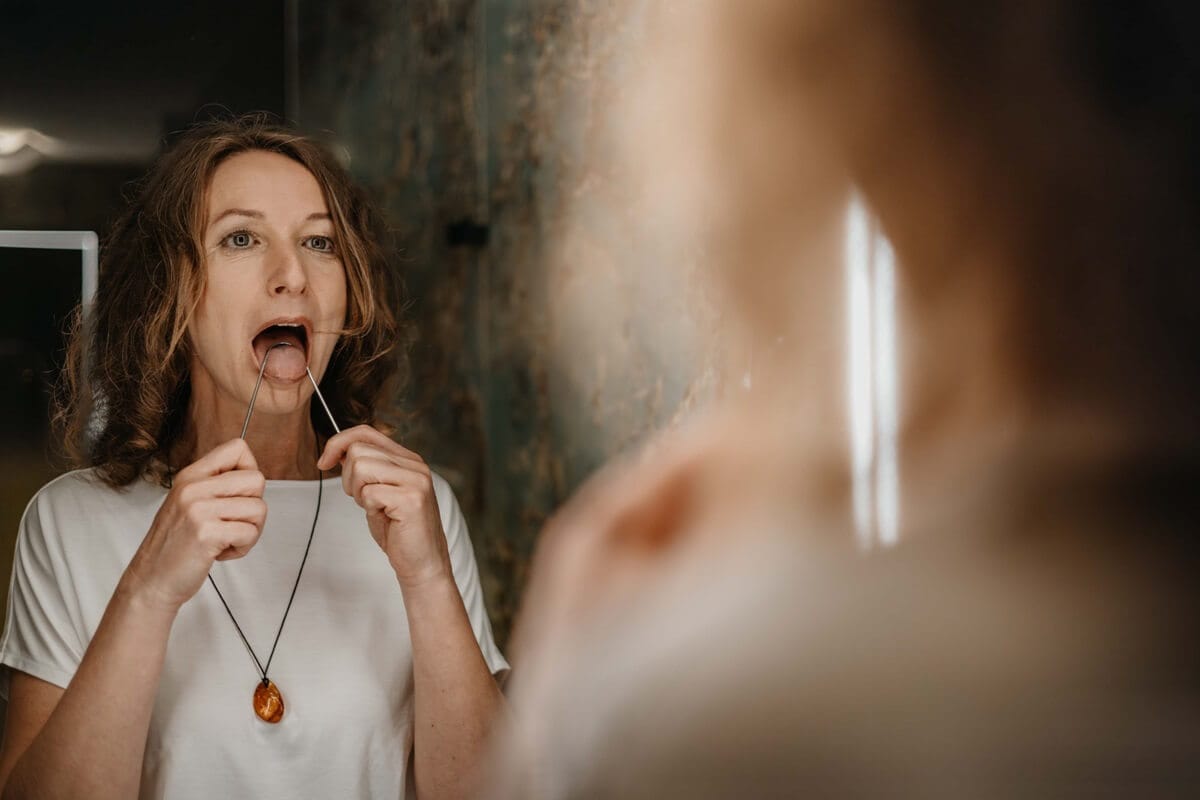
Morning Rituals in European Ayurveda® – Detoxification for Body, Mind, and Soul
The morning is a powerful time of day and sets the course for the rest of the day. In European Ayurveda®, we use the morning hours to balance our doshas or to keep them balanced. Gentle balance also arises through rituals that give the mind and body direction. In Ayurveda, a lot of emphasis is placed on gentle daily cleansing. Detoxification is not only good for well-being but also strengthens health. This way, we avoid a strong accumulation of toxins in the body. Especially overnight, many metabolic residues can accumulate, which we try to eliminate in the morning. Not only on a physical level but also on a mental level. That is why the morning is a powerful time in Ayurvedic healing. We release the old and focus impartially on the new.