
Why Ayurveda Helps Against Acne

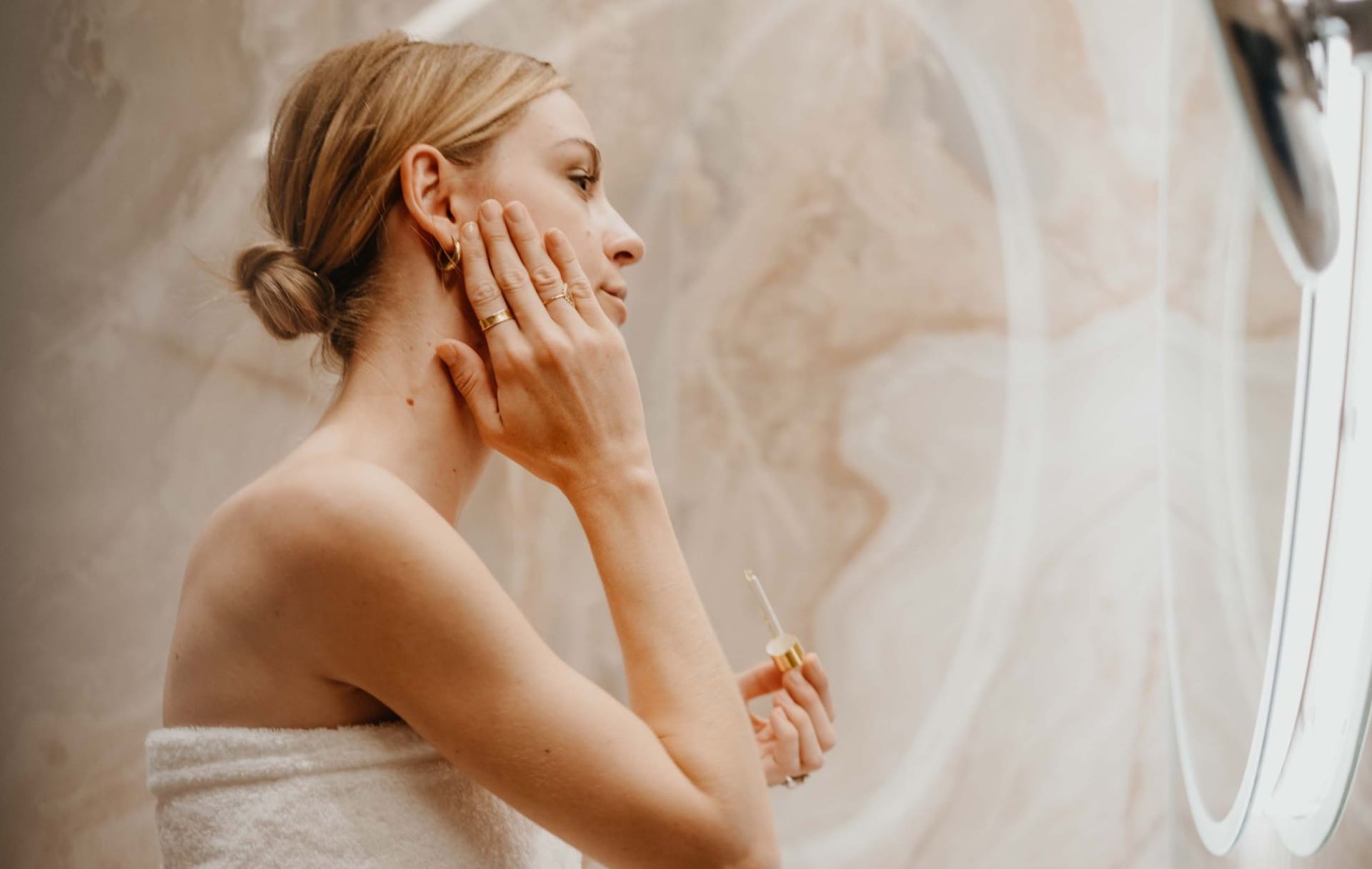
Healthy skin is, from an Ayurvedic perspective, a reflection of well-being: If the body is in harmony with itself, the skin also radiates. Conversely, there is always a specific cause for skin irritations, redness, or inflammatory blemishes. Here you can read how you can tackle acne with Ayurveda – because after all, there is a solution in Ayurveda for every problem!
What Does Acne Look Like?
There's no need to worry if you discover a pimple once in a while – not every skin blemish is acne. On the other hand, acne is a skin disease that is not only linked to teenage years or hormones.
Causes: Why Do You Get Acne?
Acne occurs when too much sebum accumulates in the sebaceous glands. With healthy skin, this is simply drained away. However, if the outlets are clogged with keratin material, this is no longer possible. Then bacteria can accumulate and inflammation can develop: The skin becomes diseased, so the quick explanation goes.
According to Ayurvedic teachings, every person is unique, so every physical reaction has a very specific reason.
Accordingly, Ayurveda initially addresses acne therapy by identifying this root of the problem – because ultimately, the aim is not just to treat the surface but to counteract the cause.
A factor that often contributes to the development of acne is an overloaded metabolism. The body then accumulates too many metabolic residues, called Ama. This creates an imbalance in Rasa Dhatu (the nutrient juice) or Raka Dhatu (blood), which manifests in skin irritations and inflammations.
The metabolism can become overloaded due to unfavorable eating habits. It is equally possible that Ama originates on a mental level, for example, when you are very stressed or otherwise mentally burdened.
Acne Pimples on the Chin and Shoulders: The Affected Areas
Where and how severe acne appears always depends on the individual case and the constitutional type. Especially Pitta types are more prone to inflammations, but even with the rather oily skin of Kapha individuals, acne is not uncommon.
Most common are acne pimples on the face: The chin, cheeks, nose, and temples are home to many sebaceous glands. The shoulders, upper arms, and upper back can also be affected. We often sweat heavily in all these areas, which further promotes the development of pimples. But don't worry: as troubling as all this sounds, Ayurveda offers many ways to return to balance.
Ayurvedic Nutrition Against Acne
Our diet significantly influences the health of our digestive fire. The more active the Agni, the less likely metabolic problems and acne are to occur. So how should you eat if acne symptoms are already present?
What Diet Is Good for Acne?
Particularly important for acne are all foods that strengthen the organism, the so-called Rasayanas. This is especially true for Pitta types, as their diet has the greatest influence on skin health.
Regardless of constitutional type, it helps most with acne if you pay more attention to these factors:
Eat fruits and vegetables with a sweet or bitter taste, such as grapes and radicchio.
Prepare food gently by steaming it.
Use Ghee as a fat for cooking.
Eat lots of cooked legumes.
Generously use spices that promote digestion, such as ginger, coriander, turmeric, and cardamom.
There are also some dietary habits that are anything but recommended for acne. Your skin health will improve if you avoid the following things:
Foods prepared at high heat, such as anything fried, deep-fried, or grilled
Alcohol and sugar, including in the form of sugary drinks
Fast food
Spicy spices like chili
Fatty, heavy foods
(Red) meat and fish
Very salty or sour dishes
Too many dairy products
If you want to give your body a good start in an anti-acne diet, you can begin with an Ayurvedic colon cleanse. This way, you will already get rid of a lot of Ama.
Herbs Against Acne
Very important: Stay as far away as possible from cosmetic products with lots of chemical ingredients when you have acne. Because this "care" usually irritates the skin even more. You can help naturally with herbs.
Sattvic, meaning strengthening for body and mind, works for example with marigold. Additionally, this plant has an anti-inflammatory effect – just the right thing for sensitive acne skin. The taste of marigold tea is bitter and at the same time sweet, making it the ideal mix for acne.
If you let dried marigold flowers steep in boiling water for 10 minutes, you get a tea that you can drink 1-2 cups of daily. A mixture of dried and/or fresh flowers and a little ghee makes a soothing, nourishing ointment that you can apply to the affected areas.
Also, turmeric has an anti-inflammatory effect. By using 1 teaspoon of turmeric powder, organic honey, and natural yogurt, you can quickly and easily make a paste that you can apply to your skin. It's best to let the mixture work for 20 minutes.
Another Ayurvedic therapeutic agent for acne is Panchatikta Ghrita Guggulu: This combination of five bitter herbs is often used in Ayurvedic treatments to clarify the skin. Whether this is recommendable always depends on the individual case and is best determined with the help of an Ayurveda therapist.
Ginger Against Acne Pimples
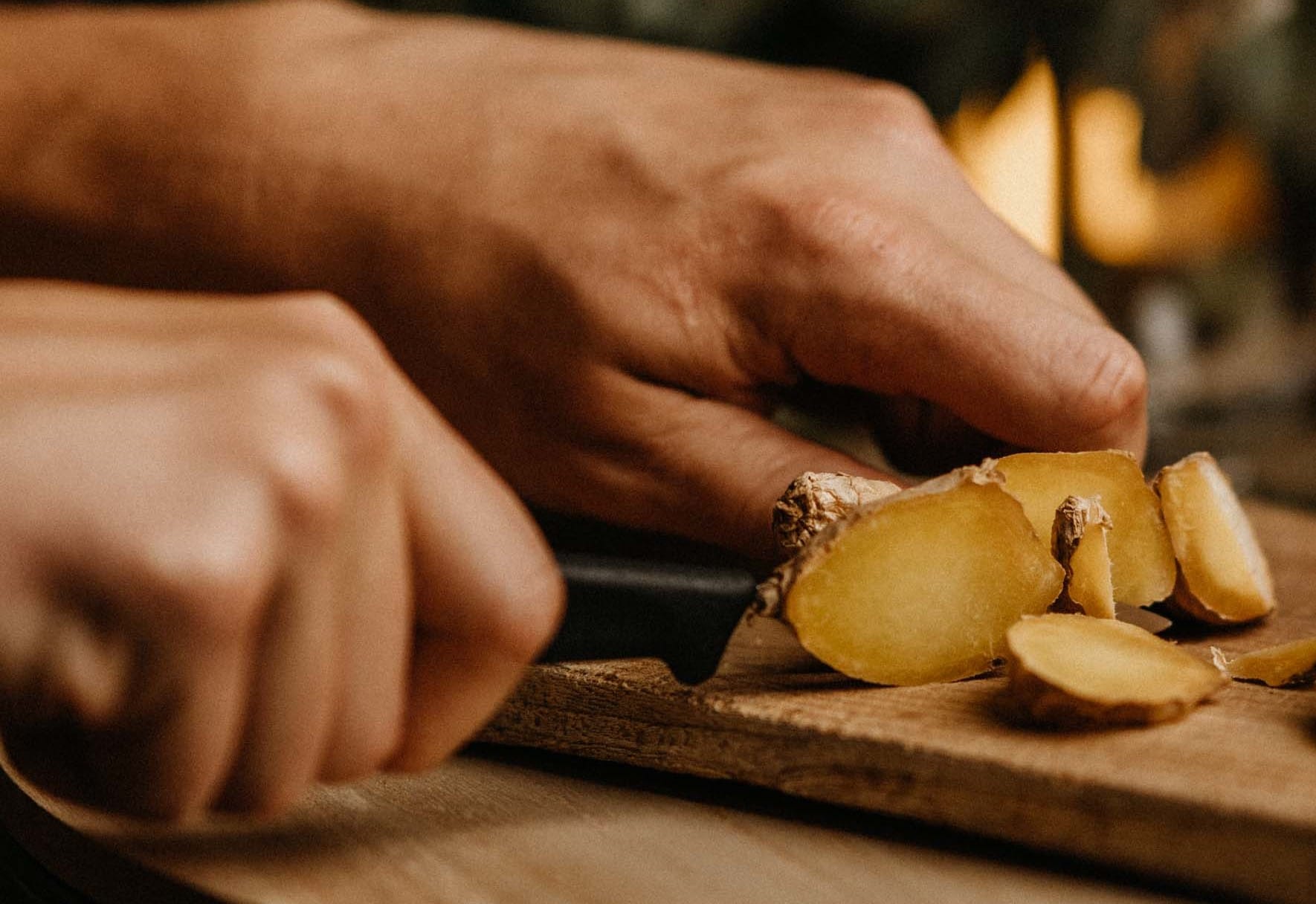
As inconspicuous as it looks, the ginger root is a true all-rounder and an effective helper against acne. Why? Simply because ginger has a strong disinfecting effect, is antibacterial and stimulates circulation and metabolism, allowing toxins to be eliminated more effectively.
You can make a soothing mask from ginger mix by chopping a piece of ginger – about three fingers wide – as finely as possible and letting it simmer in boiling water for 5 minutes. Initially, it's best to use only a few tablespoons of water so that the mixture doesn't become too liquid and simply add more if in doubt. Add 1 tablespoon of honey and 3 tablespoons of wheat germ to the ginger water. Apply the mixture while it's still warm and let it work for 20 minutes, before rinsing it off with warm water.
Drinking coffee despite acne – yes or no?
Most people don't want to give up their daily coffee – but is it advisable if you have acne? Unfortunately not, because caffeine can further exacerbate a possible hormonal imbalance. This means giving up caffeine, black and green tea.
At this point, we also want to mention: Having acne is, of course, not the end of the world. Everyone is probably familiar with occasional skin blemishes. On the other hand, it is just as understandable if people with acne want to nurture their skin back to health. With our Ayurveda tips against acne, you can achieve exactly that – and feel completely comfortable in your skin again!
Insights
With European Ayurveda® to healthy skin
For Ayurvedic understanding, the skin is much more than just our largest organ – it is also extremely significant for the diagnostic detection of diseases. As a mirror of our interior, we can read from it whether something is not right and accordingly, we can react. Here you will find out how you can ensure healthy skin with the help of European Ayurveda®!
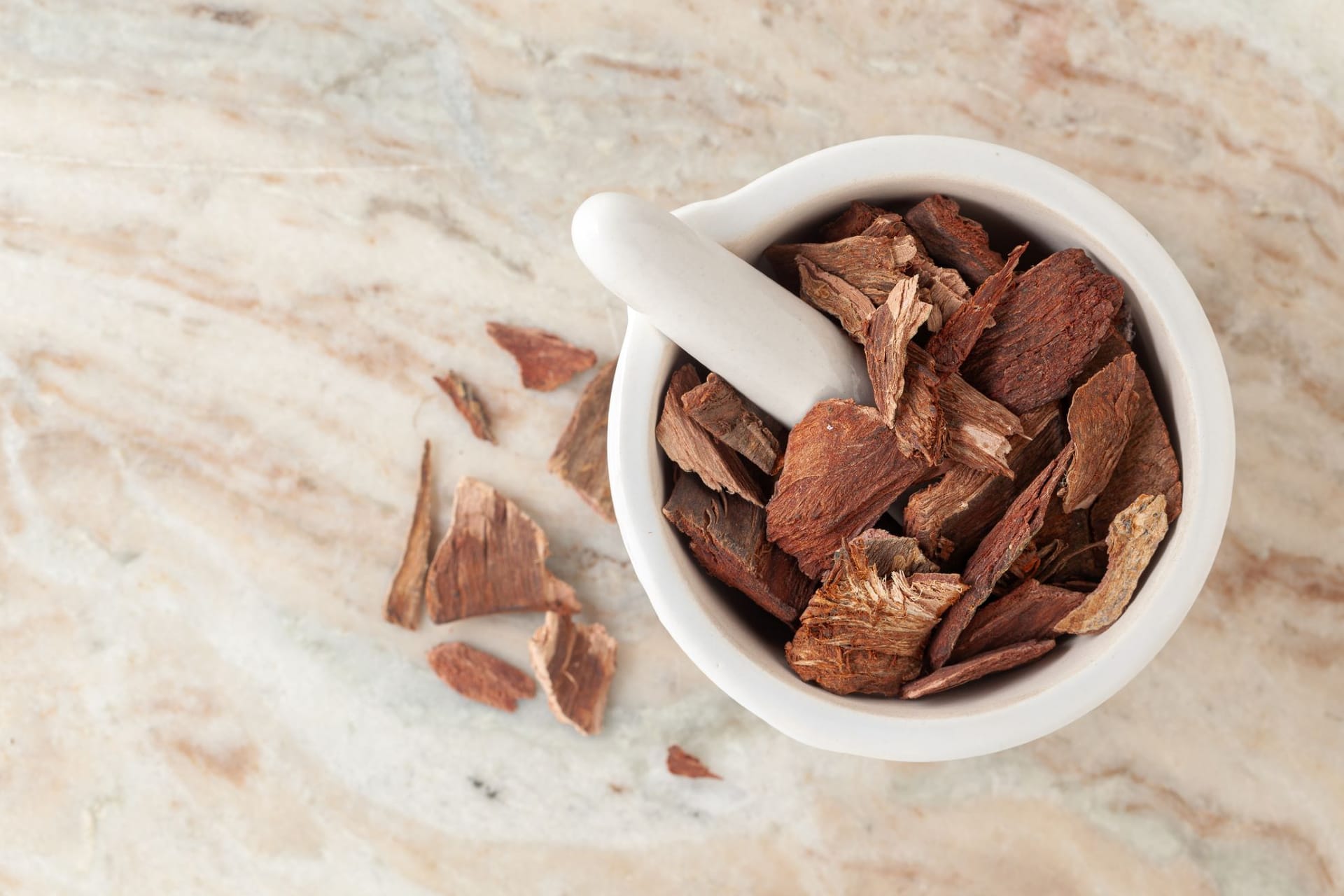
Arjuna: Effects and Uses in Ayurveda
Arjuna strengthens the human body’s center of health – the heart. In Ayurveda, the Indian tree is especially valued for its healing and strengthening effects on this vital organ. Here you can learn how this medicinal plant is used in European Ayurveda® and what positive effects its powder can have on the heart.

The Panchakarma Cure for Home
Anyone can do Ayurveda! This is perhaps the basic idea of the book "The 7-Day Panchakarma Cure for Home" published by actress, voice-over artist, dancer, and singer Andrea Kathrin Loewig in collaboration with European Ayurveda® pioneer Elisabeth Mauracher and Ayurveda doctor Gaurav Sharma. The Panchakarma Cure for Home guides you through your 7-day detox cure, not only detoxifying your body and replenishing new energy but also bringing your mind and soul into balance. A wonderful experience that you can enjoy comfortably in your own home.