
Dosha Test: Determine Your Ayurveda Type


Determining your Dosha type is an important part of ayurvedic teachings. Your physical appearance and susceptibility to illnesses shape your Ayurveda type. Vata, Pitta, or Kapha – which type are you? Find out now with our Dosha Test!
Which Ayurveda Type Am I?
Determining the individual Dosha type is an essential part of ayurvedic health and lifestyle teachings. Every person has a unique combination of physical and mental characteristics. In Ayurveda, health means living in inner balance with the Doshas.
Find out now which Ayurveda type you are:
Key Points: Determine Ayurveda Type
Your constitution is as unique as you are. Usually, a dominant Dosha can be identified, determining your Ayurveda type – Vata, Pitta, or Kapha. The balance of your constitution is crucial for your well-being and your holistic health. With the help of the Dosha test, you will learn more about your Ayurveda type and can better follow the ayurvedic teachings in life.
Ayurveda Types: Vata, Pitta, or Kapha?
Determining your constitution with the Ayurveda Dosha Test is crucial for your healthy, ayurvedic lifestyle. Each type has its own strengths and weaknesses, according to which you can align your lifestyle and your ayurvedic diet. This way, your body and mind stay balanced!
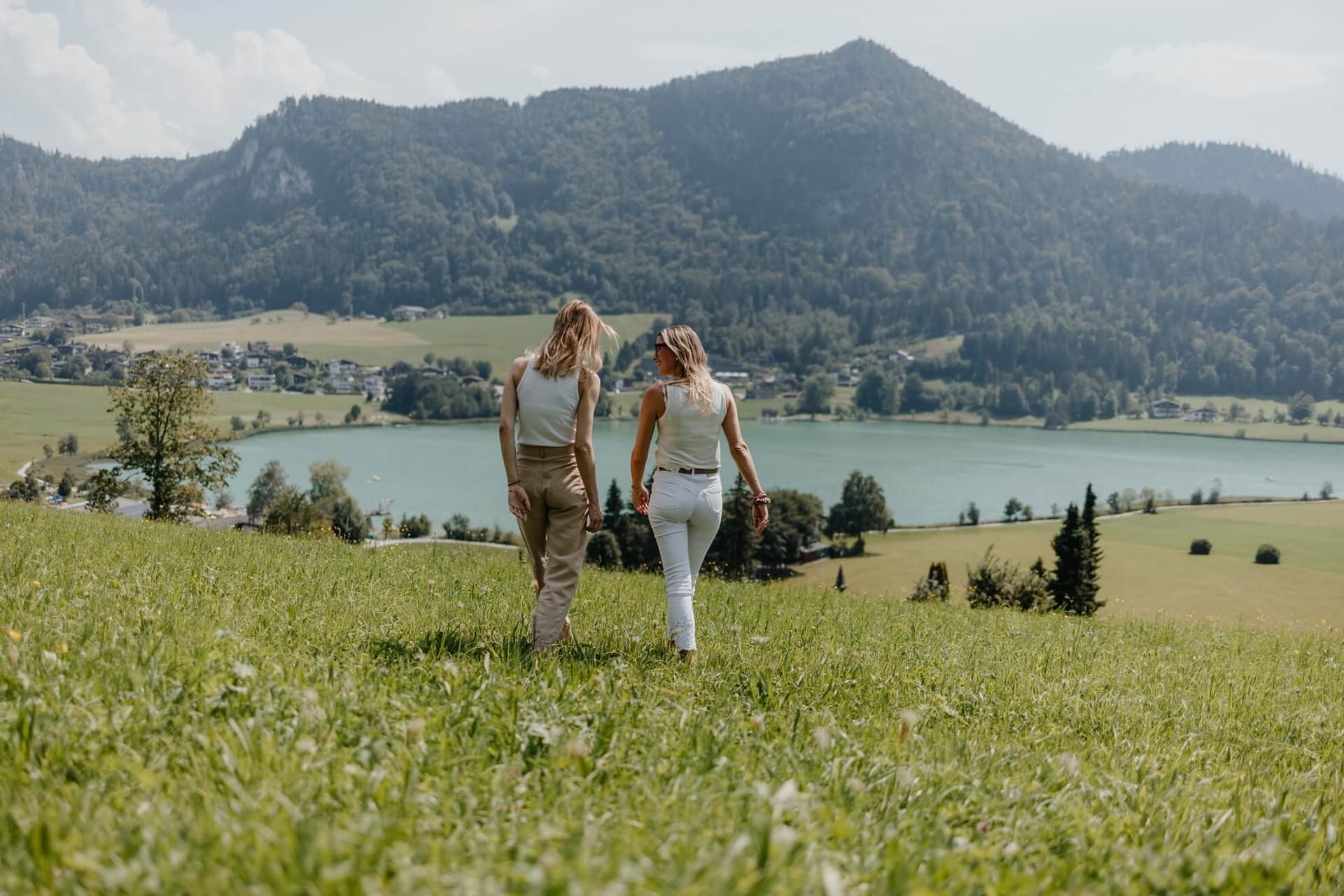
Dosha Type Vata: Creative and Chaotic
The Vata Dosha is determined in Ayurveda by the elements of air and ether. This is also reflected in its lightness, mobility, and creativity. The Vata type often has a slender, delicate physique and dry skin that quickly becomes rough and sensitive.
The hair is usually thin and also prone to dryness. A typical feature is also that Vata often causes cold hands and feet. This is due to the generally low body heat of the Vata type.
The metabolism of the Vata Dosha is irregular, and the appetite varies greatly. This often leads to bloating or constipation. Light sleep is due to the constantly active mind. Overall, the nervous system of the Vata type is very sensitive and prone to stress and external stimuli.

Vata types
are particularly creative
have a vivid imagination
burst with ideas and like to try new things
are very spontaneous but can also be easily distracted
sometimes have problems finishing things
have a restless mind always seeking movement and variety
The preferences and strengths of the Vata type include:
freedom, lightness, and movement
diverse environments
travel, art, and music
ingenuity and adaptability
The dislikes of the Vata type include:
routine and rigid structures
cold and dryness
cold weather, cold food, and particularly dry environments
The Vata Dosha tends to:
anxiety and nervousness
sleep disorders
digestive problems
dryness
exhaustion
You can balance your Vata Dosha by focusing on warmth and grounding . This includes warming, nourishing foods and a routine that still allows you freedom.
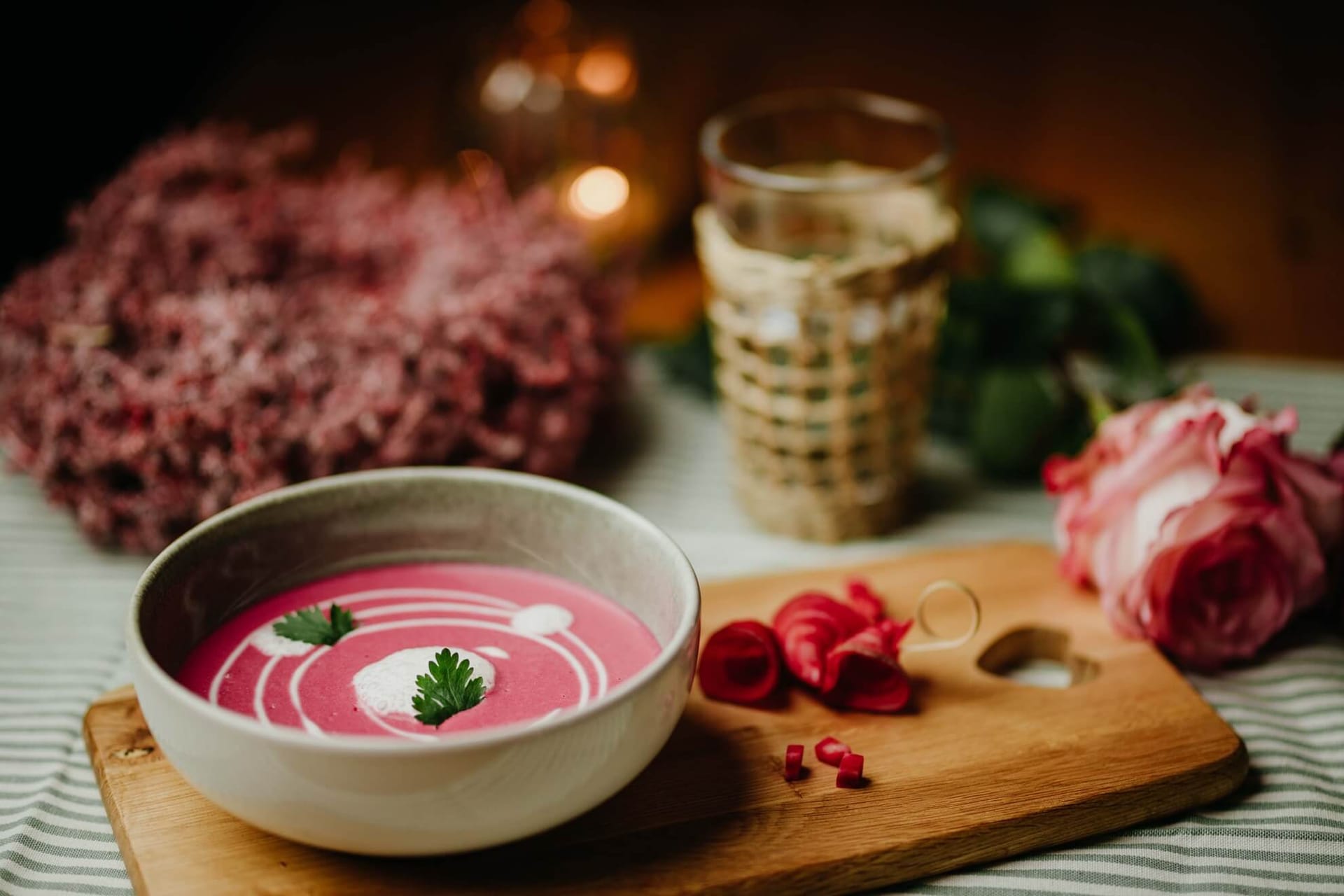
Self-care and regular massages as well as ayurvedic treatments can also help calm your Dosha. Pay attention to adequate rest periods, yoga for Vata and restful sleep, to keep your Vata in balance.
Dosha Type Pitta: Strong and Challenging
Dominated by the elements of fire and water, the Pitta type is characterized by a powerful, dynamic, and determined nature. Pitta types often have a medium, athletic build and usually build muscles easily.
Pitta causes warm, reddish skin, which is prone to redness or rashes. The Pitta type generally has increased body heat and tends to sweat more easily. Thanks to the strong metabolism and good digestive fire (Agni), Pitta types have a stimulated appetite and can process hearty foods well.
Typically, Pitta types have deep and restful sleep, which can be disturbed by persistent stress or overwork.

Pitta types
have a sharp, analytical, and focused mind
are natural leaders
are determined and goal-oriented
love challenges and readily take on responsibility
are prone to impatience and irritability when things don't go as planned
The preferences and strengths of the Pitta type include:
order, structure, clear goals
successful, motivating environments
meeting expectations of themselves
determination, leadership ability, and effective problem solving
organization and responsibility
The dislikes of the Pitta type include:
uncertainties, insecurities, and poor structures
loss of control and incomplete plans
high temperatures, spicy food, and intense physical exertion
The Pitta Dosha tends to:
irritability and tantrums
heartburn and digestive issues
inflammations
overheating
With conscious cooling and calmness, you can balance Pitta. The Dosha benefits from mindful ayurvedic diet with cooling recipes for Pitta. Fresh air and breaks help regulate the heat of the fire.
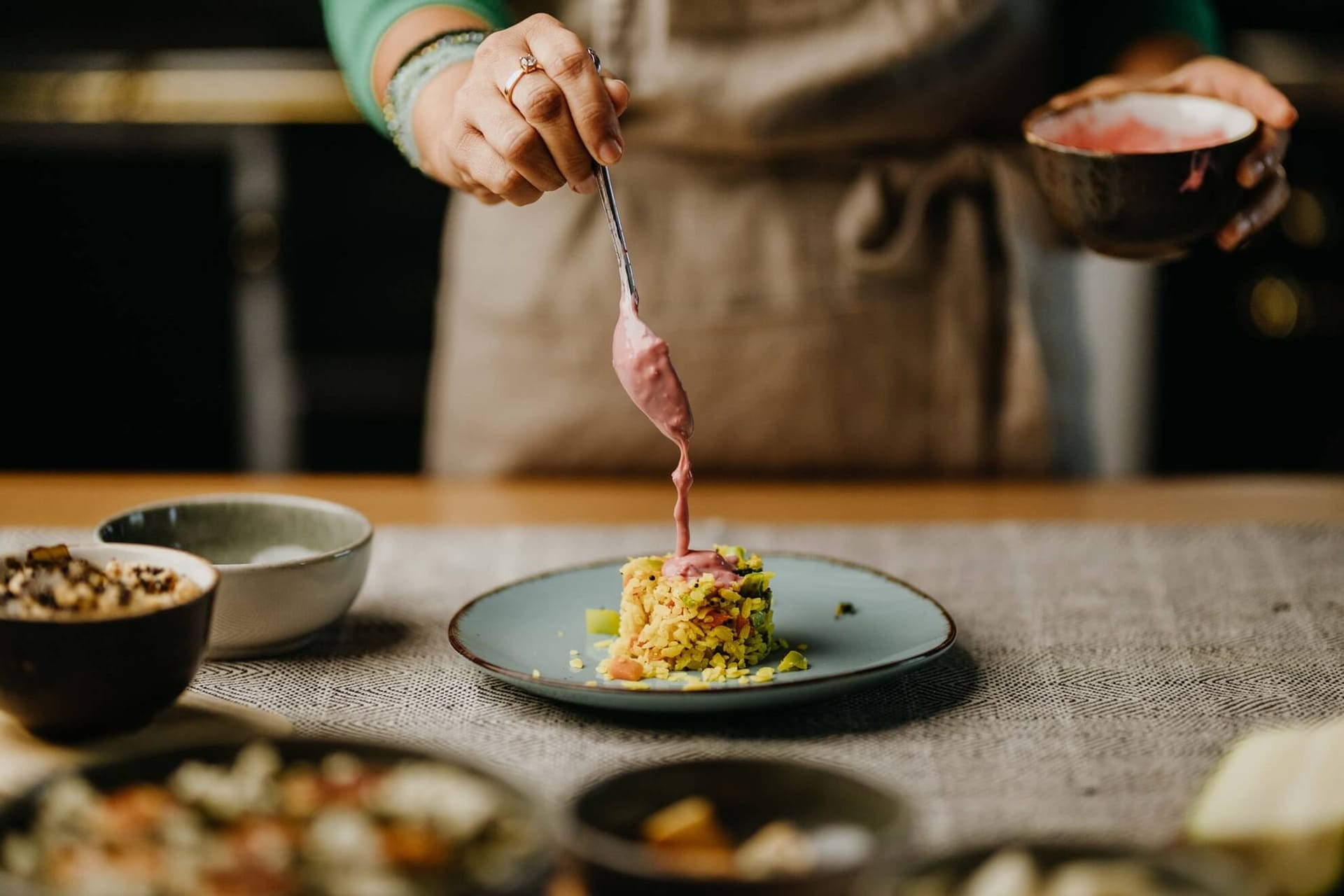
Relaxation exercises and meditation as well as yoga for Pitta help to soothe the energy. Balanced Pitta types are excellent leaders without impatience or frustration.
Dosha Type Kapha: Calm and Lethargic
The Kapha type is dominated by the elements of earth and water , which give it a calm and balanced character. This constitution often has a strong, well-built body with broad shoulders and a more muscular stature.
The skin is usually soft, smooth, and well-moisturized. Thick, shiny hair and natural vitality are also features of the Kapha type. Although the constitution has a strong immune system , the metabolism is slower compared to the other Doshas.. Therefore, these types are also more prone to being overweight.
Kapha types often have even and restful sleep. Although digestion is stable, the slow processing can easily lead to lethargy—especially with heavy or oily dishes.

Kapha types
are calm, patient, and caring
have a stable and loyal nature
often have deep and stable relationships
mostly remain calm in crises and provide emotional support to others
can tend towards comfort and lethargy with too little stimulation
The preferences and strengths of the Kapha type include:
a safe, stable, and secure environment
routines, family life, and belonging
providing support and comfort
patience, steadiness, and tranquility
a special ability to pursue long-term goals
The dislikes of the Kapha type include:
excessive movement or change
hustle and stress
damp, cold weather
too much emotional strain and conflicts
The Kapha dosha tends toward:
weight gain and obesity
mucus accumulation
lethargy and lack of drive
depression
To avoid falling into lethargy, Kapha constitutions need movement, lightness, and stimulation. Regular physical activity and a light, dry diet help control weight and boost metabolism.

Also, appropriate mental stimulation and social interaction help Kapha types to stay active. When Kapha is in balance, the calm and stable nature can be fully utilized. These types are reliable and compassionate people who can provide themselves and others with emotional stability and care.
What are the doshas?
Doshas are in Ayurveda the three fundamental bioenergies (Vata, Pitta, and Kapha) that influence the body, mind, and environment. They are also related to physical and psychological predispositions. Through the Dosha Type Test, you can learn more about yourself and your innermost needs!
Each individual contains all three doshas, with usually one type predominating. With the help of the Ayurvedic lifestyle, harmony between the three bioenergies is to be established.
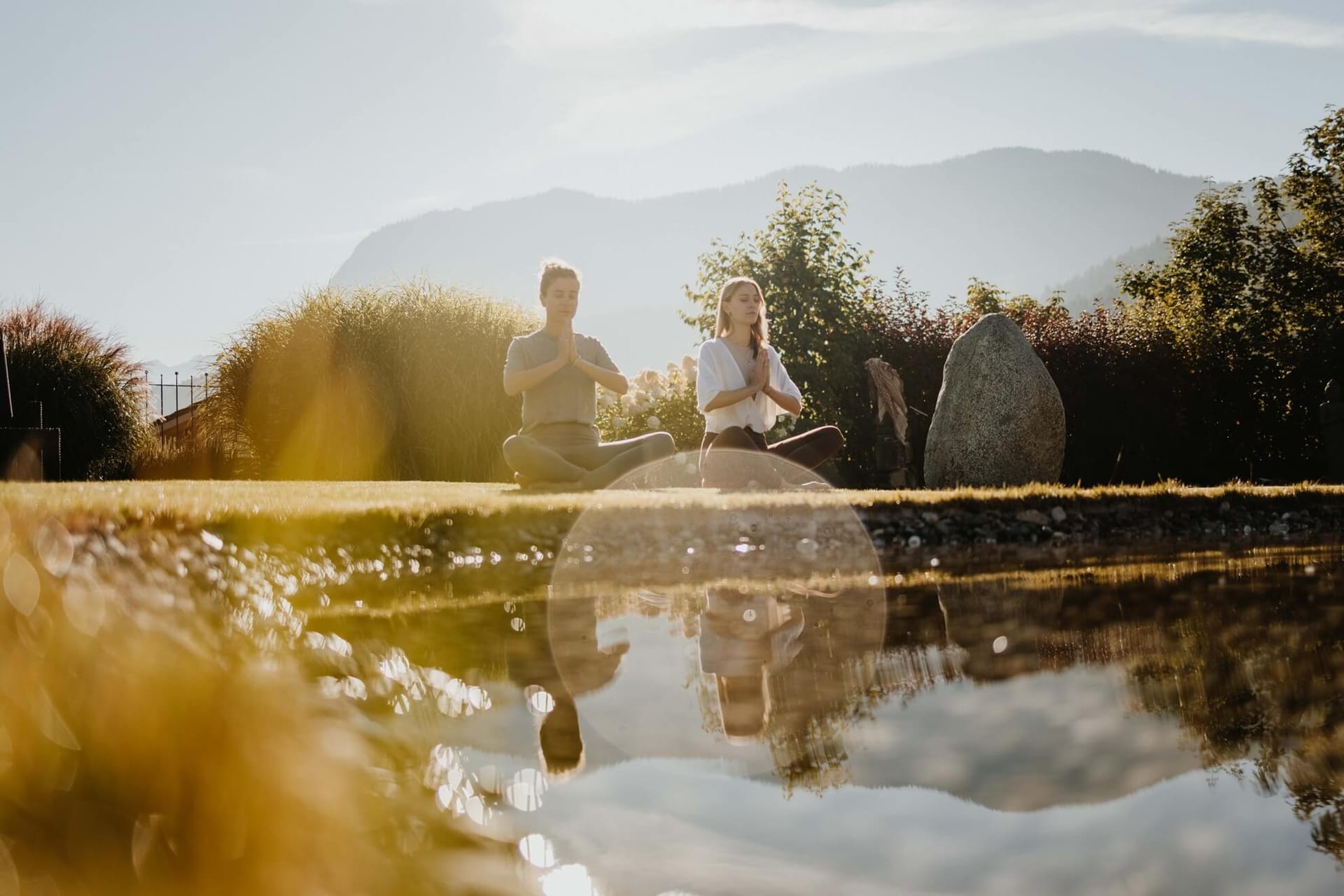
The doshas consist of the five elements: Vata from ether and air, Pitta from fire and water, and Kapha from earth and water. When the doshas are in balance, you are physically and mentally balanced and healthy. An imbalance, on the other hand, leads to illnesses and complaints.
Your temperament, preferences, and dislikes are determined by your predisposition. Diet and applications from Ayurvedic teachings are adjusted accordingly. Just like every person, the composition of the doshas is unique.
Besides the three main types Vata, Pitta, and Kapha, there are also mixed types. Only very few people have a single, clear-cut dosha. Regardless of your constitution, a harmonious balance is critical to your health.
Elisabeth Naschberger-Mauracher
Elisabeth Naschberger-Mauracher is the managing director and Ayurveda expert at the European Ayurveda Resort Sonnhof in Thiersee, Tyrol. Since 2019, she and her husband have jointly managed the Ayurveda resort, which has received numerous awards, including: Global Winner: Detox Program, Best Medical Spa Award, and World Luxury Hotel & Spa Award.
Insights

Kapha Type: All about the Ayurvedic constitution type
Everything always has to be done quickly and efficiently, preferably as soon as possible. Sometimes, those who do not get swept away by this hustle and bustle have already won. Calm, deliberate natures are often envied in our sometimes very stressful times. Ayurveda has a special term for this disposition: Kapha.