
Better Sleep: 10 Tips from the Perspective of Ayurveda

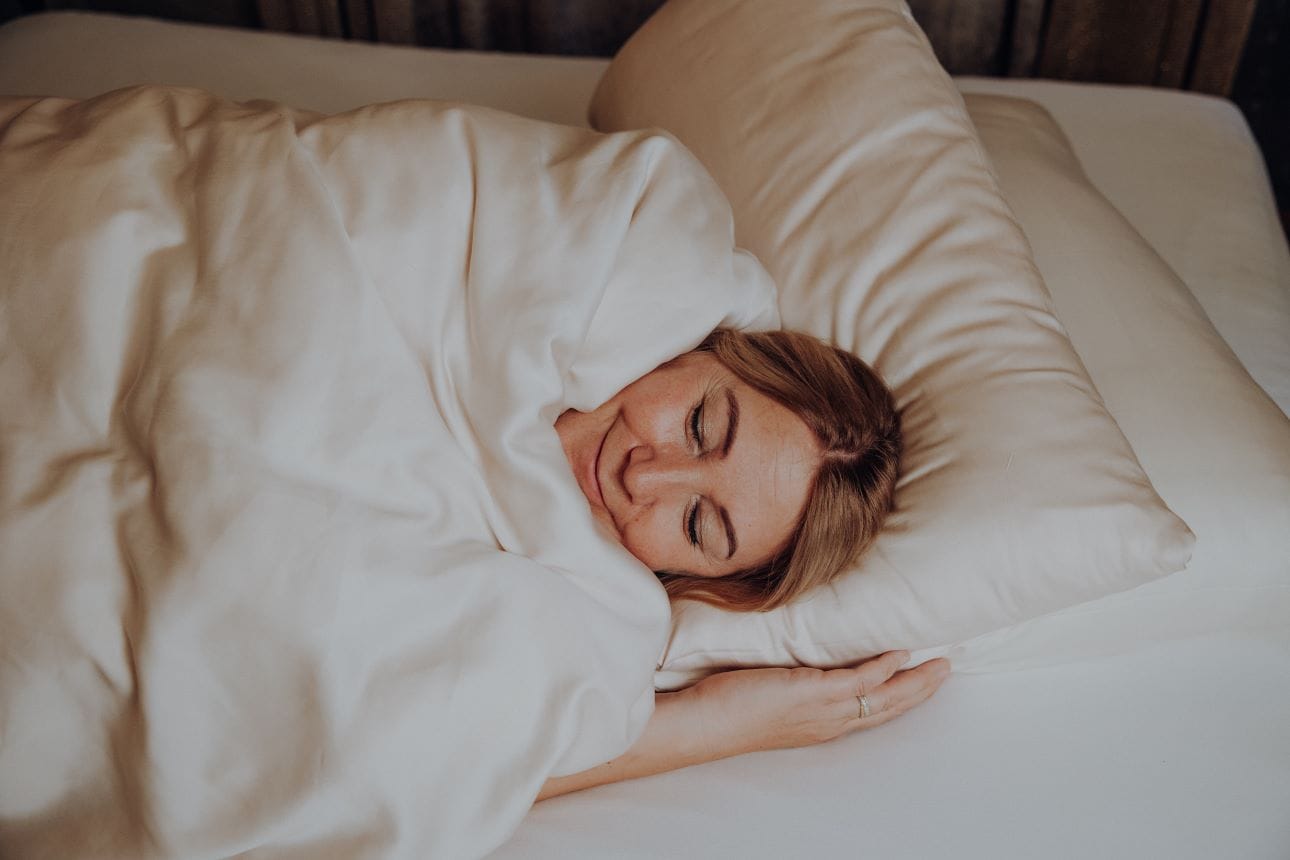
Do you often have trouble with your sleep? Do you find it hard to relax in the evening? Do you feel energy-less during the day because you can't recharge your batteries at night?
The Importance of Sleep
The Charaka Samhita, the oldest collection of writings on Ayurveda, states: "Happiness, nourishment, strength, masculinity, femininity, balance, knowledge, and life depend on proper sleep."
Sleep is understood as a natural, easily reversible periodic state of many living beings. Sleep is characterized by these features:
Lack of wakefulness
Loss of consciousness of one's environment
Typical body posture (lying down with closed eyes)
Occurrence of dreams
Changes in brain activity and physiological functions
The Influence of the Doshas on Your Sleep
Ayurveda aims to establish the balance between the three Doshas Vata, Pitta, and Kapha. This is influenced by one's own habits and routines as well as by nutrition, and it is also significant for sleep quality.
In Ayurveda, sleep is the most important regeneration phase of the day. The phases of the day are governed by the different Doshas:
Kapha Time: until 10:00 PM+
Your energy decreases, and body, mind, and soul become tired. It's recommended to go to sleep before 10 PM, as the Pitta time thereafter is activating.
Pitta Time: 10:00 PM to 2:00 AM+
In this phase, the deposits in the body, mind, and soul are cleansed from within.
Intense dreams and feelings during sleep can result from too much Pitta energy. It can help you to reduce your mental pressure and lower physical acidity. Avoid acid-forming foods like alcohol, coffee, sugar, and raw meat. Legumes and cabbage have a balancing effect on acidity.
Vata Time: 2:00 AM to 6:00 AM+
The deposits are transported away. For this, it is important that digestion is already complete and your body can focus on deep cleansing.
When we sleep very lightly, Vata energy can easily wake us up. A balanced daily rhythm, relaxation, and light meals in the evening support better sleep.
Sleep Recommendations for Constitution Types:
Vata needs at least eight hours of sleep, occasionally even more is recommended.
For Pitta types, eight hours of sleep is suitable.
Kapha can do well with less sleep, around seven to seven and a half hours per night. With a longer sleep duration, Kapha types become sluggish. Generally, this constitution type has no trouble falling asleep.
For all constitution types: You should wake up before 6 AM, as during this time the movement principle Vata is active. From 6 AM onwards, Kapha becomes active again, and it becomes harder to get up.
10 Tips for Better Sleep
Sleep problems arise because there is too much movement in the body due to an excess of Vata. This arises from stress, lack of time and an unbalanced lifestyle. It's important to recognize the signs—such as many snacks, a lack of daily routine, poor sleep, Vata-promoting foods—and respond to them.
The following tips can help you sleep better:
Calm: Your bedroom should only be used for two things—sleep & love. Electronic devices disturb the relaxing atmosphere.
Darkness: Avoid artificial light sources in the evening and switch from reading to an audiobook, for example. Darkness helps you relax and become tired.
Shut Down: Reduce stimulating stimuli from electronic devices before going to bed and pamper your body instead with a massage, aromatherapy, or similar.
Distraction: If you can't fall asleep, go into another room, read a book, listen to music, or take a walk in the garden, which will make you tired and help you relax before lying back in bed.
Movement: Get sufficient exercise during the day and do quieter sports in the evening, like yoga. This lowers the heart rate, helps release endorphins, and reduces stress. Meditation exercises can also help you fall asleep easily.
Time: A walk at sunrise or sunset resets your biological clock.
Nutrition: Eat a balanced diet in the morning and at lunch and lighter in the evening. Also avoid the excessive consumption of sugar, coffee, and alcohol to not further burden digestion. A cup of tea with passionflower or lavender and passion fruit as well as fragrant oils help the body relax in the evening.
Recovery: After a meal, a slow walk or resting on the left side (Vamakukshi) aids digestion. The Kapha type should be cautious, as they often have trouble getting active again after a nap.
Sleep Position: In general, Ayurveda recommends sleeping on your left side. From a physiological standpoint, this supports digestion and lymphatic drainage. Our tip: If many thoughts keep you from sleeping, sleep on your right side. Through the opening of your left nostrils, the cooling energy channel Ida Nadi opens.
Sleep Direction: It is ideal if you sleep with your head facing south or east. Avoid sleeping with your head facing west or north.

As sleep and sleep disorders are common issues in our society, we have also addressed this topic more closely in our #healthtogo livestreams. You can find more tips in Part 1 and Part 2 of our video series on this topic.
Conclusion
A good sleep has a holistic effect on the balance of body, mind, and soul and is influenced by daily habits and your nutrition. Throughout the day, the 3 Doshas have varying strengths, which is why it is important to adjust one's sleep rhythm to the prevailing Dosha and one's own constitution type. Daily rituals, a cozy atmosphere, sufficient exercise, a balanced diet, as well as the right sleep position and direction, promote restful sleep, where the body has the opportunity to regenerate.
Elisabeth Naschberger-Mauracher
Elisabeth Naschberger-Mauracher is the managing director and Ayurveda expert at the European Ayurveda Resort Sonnhof in Thiersee, Tyrol. Since 2019, she and her husband have jointly managed the Ayurveda resort, which has received numerous awards, including: Global Winner: Detox Program, Best Medical Spa Award, and World Luxury Hotel & Spa Award.
Insights
Ayurvedische Tipps für guten Schlaf
Ein erholsamer Schlaf ist essentiell für Deine Gesundheit und Dein Wohlbefinden. Daher ist es wichtig, bewusst an einer Abendroutine zu arbeiten und sich auf den Schlaf vorzubereiten.

European Ayurveda® tips for more lightness
This uncomfortable feeling of heaviness. We all know it all too well. Both physically and mentally, burdens take a toll on us. When we no longer feel comfortable in our own skin, are simply out of balance, and everything seems slow and sluggish. Whether it's unhealthy eating, too much stress, or a generally not very supportive lifestyle, at some point we have ignored our own voice. And as soon as we are unkind to ourselves, we will feel it in one way or another. The following 10 European Ayurveda® tips for more lightness can help you regain balance. It's a kind of checklist, where each individual tip is a brief overview that you can delve deeper into if you wish.
3 great meditation exercises for falling asleep
If your mind cannot relax enough in the evening, falling asleep becomes difficult. The many thoughts of the day develop into a small whirlwind in your head and give you no rest. However, there are wonderfully calming meditation exercises that can help you fall asleep. Here you can find out more.