
Colors in Ayurveda: Balance Your Doshas

What do you think of when you see a bright orange? What do you feel when you see a rich and penetrating blue? Do you feel cold or do you feel more creativity budding within you? We have long been aware of the effect of colors on people. In this article, find out how different colors can affect you.
The Primary Colors in Ayurveda
Colors, their intensity, light, and shadow have an enormous impact on the body and mind. We primarily perceive both light and colors through the eyes. However, the skin is also an important, not to be underestimated sensory organ in this context.
Furthermore, we know from physics, that a prism splits white light into the colors violet, indigo, blue, green, yellow, orange, and red – also known as the rainbow colors.
Within this spectrum, in Ayurveda we associate the primary colors blue, red, and green with the three bioenergies Vata, Pitta, and Kapha . Because with the right choice of colors, we can balance out imbalances of our doshas, stimulate or soothe them.If you already know your
Ayurvedic basic type , we'll show you which colors balance your dosha and which you should better avoid. Don't know which bioenergy is dominant in you? Then we recommend ourDosha Test ..
The Vata Color Chart
Vata is, so to speak, the queen of our bioenergies and therefore takes on a special role in our body. This dosha is responsible for the coordination of all movements as well as the flow of our energy and supports our mememory.
We attribute the elements air and ether to Vata, resulting in properties such as cool, dry, and mobile. In the Ayurvedic color theory, we assign Vata the primary color blue . Since this dosha is the easiest to get out of balance, we should always pay special attention to this bioenergy.
Are you more restless than usual, often cold, and is the carousel of thoughts in your head spinning endlessly? All these could be signs of a Vata imbalance. Caution: Bright colors can further intensifythese feelings. You should now avoid intense shades and neon colors, as your mind will be overstimulated, and an overreaction might occur. Also avoid black as it could hinder your Vata too strongly. ,
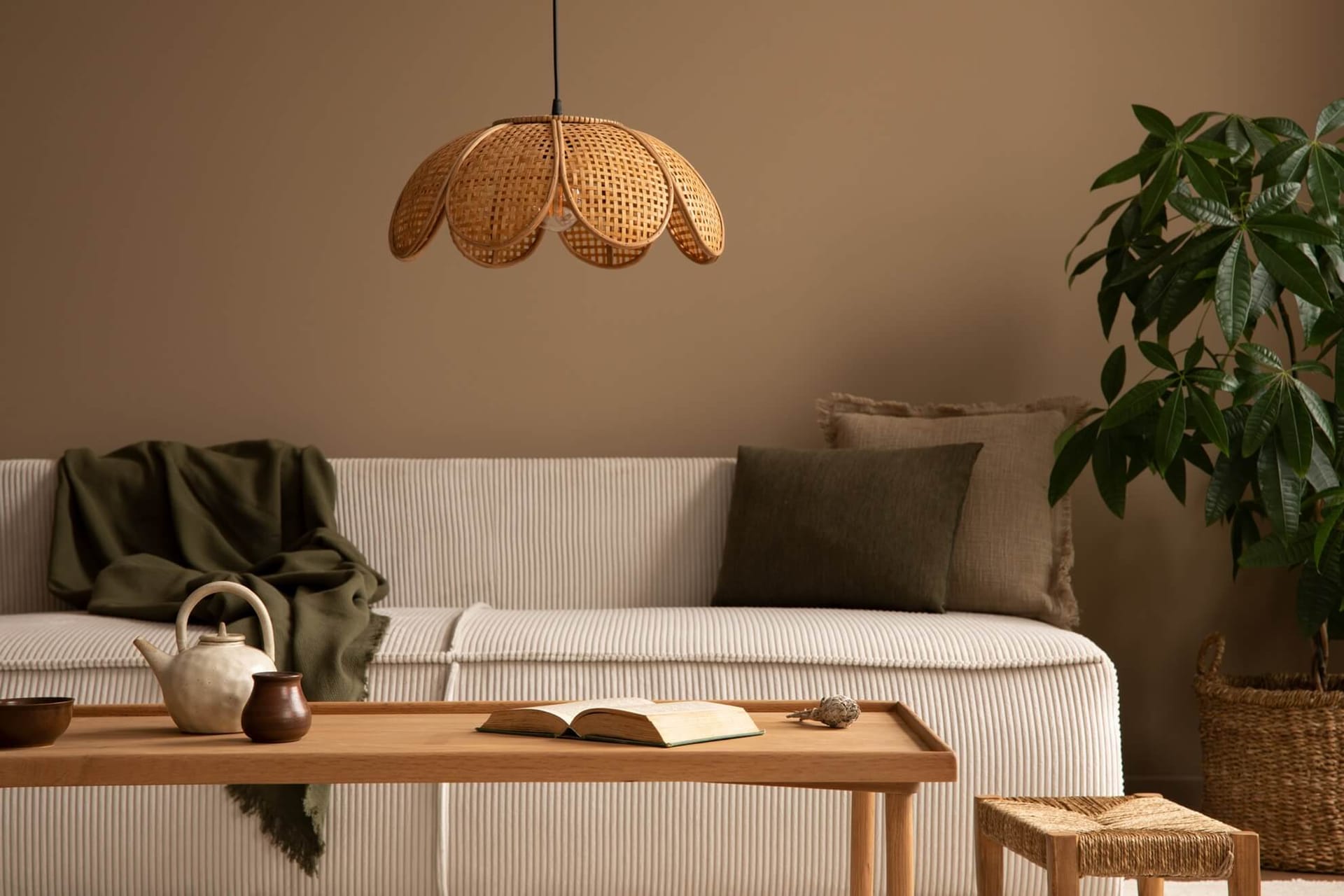
Warm, earthy colors like honey yellow and beige as well as pastel shades have a positive effect on your Vata. Especially soothing and balancing are also greens like emerald: These harmonize the central nervous system and bring your Vata back into balance.
The Pitta Color Chart
The bioenergy Pitta is responsible for transformations and conversions in our body and has a strong influence on our digestion or the digestive fire Agni. Therefore, it will not surprise you that this dosha unites the elements fire and water. This results in properties such as hot, sharp, and penetrating, but also sour or somewhat oily. To these predominantly fiery attributes, Pitta also owes the color red.
If this impulsive dosha gets out of balance you are likely easily irritable, more frequently have heartburn and a strong feeling of heat. In this state, you should absolutely avoid bright or too intense colors like yellow or orange, as these would only exacerbate the imbalance of your Pitta. The same applies to deep black.

Instead, focus on cooling colors, to soothe your Pitta. Especially blues have a cooling and calming effect on your heated disposition. But also greens, which tend more towards blue than yellow, have this positive effect and can thus restore the harmony of your bioenergies.
The Kapha Color Chart
Kapha forms the foundation of our bioenergies and derives from the elements water and earth. Which of the Ayurvedic main colors would fit better here than green? After all, this dosha stands for stability and structure, but is also responsible for the moisture in our body. This results in attributes such as heavy, cool, or immobile.
If your Kapha gets out of balance, you probably feel lethargic, somehow heavy and frequently cold. Dark colors can now enhance this feeling even further . They dampen your spirit and diminish the warm light you now need so urgently. The same applies to cool colors like white, blue, or gray – you should avoid these.
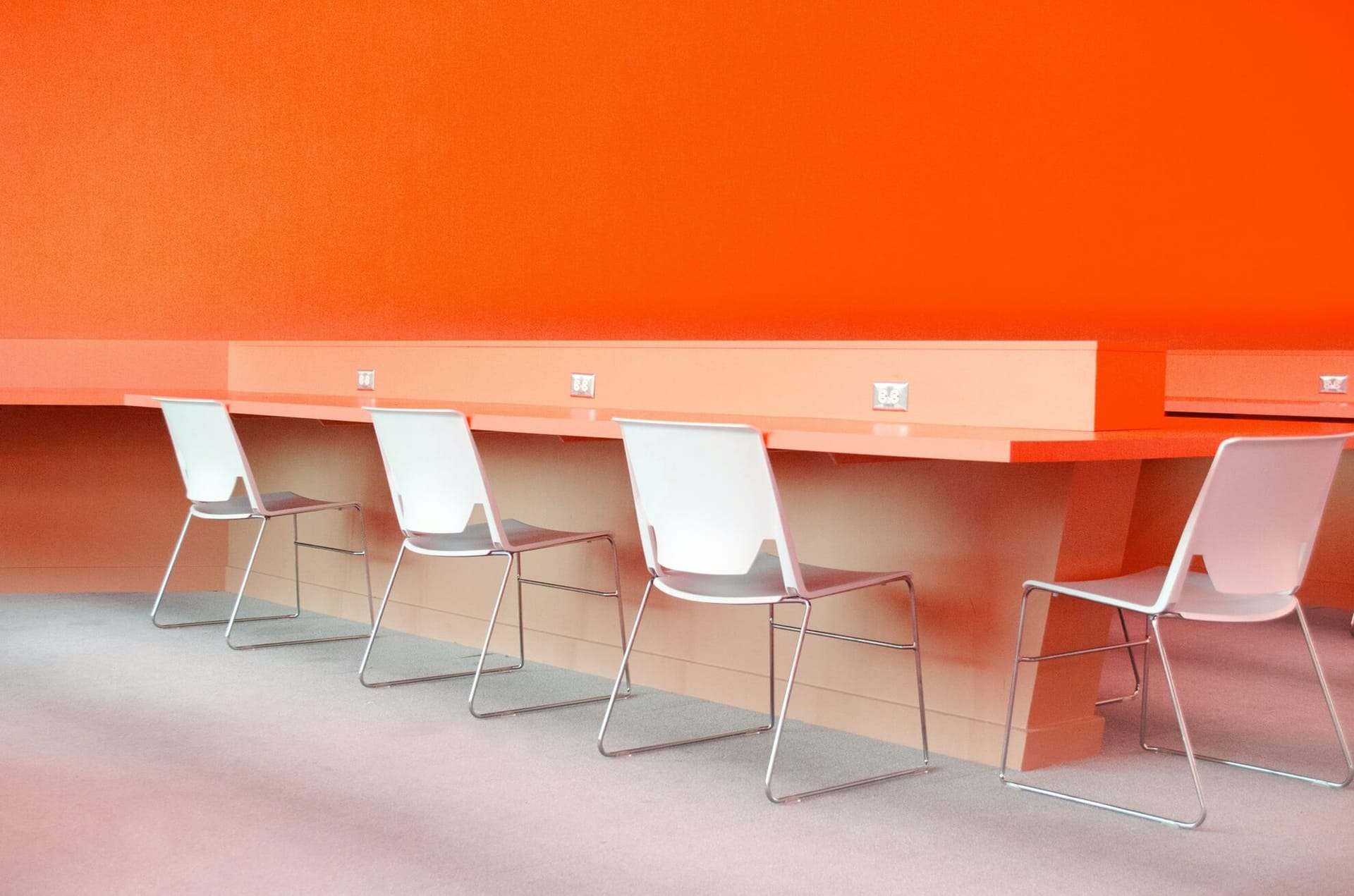
Therefore, opt for invigorating and warm colors. Reds like purple or coral are best suited to restore the harmony of your Kapha. But also vibrant colors like sunflower yellow, gold, or a rich orange have a stimulating effect on this dosha.
Your Personal Color Check
You can already actively use colors in your environment to keep your bioenergies balanced. Do you want to incorporate the Ayurvedic color theory into your daily life ? Then consider your color world in these three areas:
Color Check in the Wardrobe+
Which colors are especially present here?
Why did you choose these colors?
Do they reflect your current needs?
Color check in your four walls+
In which colors have you painted or wallpapered?
What colors are your floors?
Which colors dominate your decor?
Where do you feel particularly comfortable? Are there rooms you avoid?
Color check in your workspaces+
What colors surround your desk?
Can you look outside somewhere? What do you see there?
What background have you chosen for your computer?
Based on your answers, you will quickly be able to see in which areas you can change your color orientation. Then give yourself a few weeks to let these changes take effect and then reflect inward to find out how the new colors affect you.
Image credits:
© FollowTheFlow– istockphoto.com (File No.: 1470736937)
© Natalia Illarionova – istockphoto.com (File No.: 1170497958)
Insights

Dosha Test: Determine Your Ayurveda Type
Determining your Dosha type is an important part of ayurvedic teachings. Your physical appearance and susceptibility to illnesses shape your Ayurveda type. Vata, Pitta, or Kapha – which type are you? Find out now with our Dosha Test!
What is Ayurveda? Everything about treatments, massages, nutrition & the three types
Ayurveda has now become a buzzword. It is mostly simply associated with yoga pants and exotic dishes. But there is much more to it! If you also want to learn more about the oldest holistic healing art of mankind, then it’s best to read on. All important information about this fascinating lifestyle is here at a glance. We explain everything about nutrition in Ayurveda, as well as meditation and yoga, and the Ayurvedic cleansing treatments.
Ayurveda in Everyday Life: Rituals for Daily Life
Dinacharya, the tradition of setting a daily routine, is one of the most important Ayurvedic practices to enhance health and overall well-being. Take a few minutes each day and consciously incorporate Ayurvedic rituals into your day. This way, you can be healthy and successful in everyday life and work with Ayurveda. Here are some tips to help you practice Ayurveda in everyday life!